

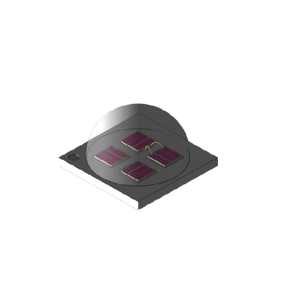
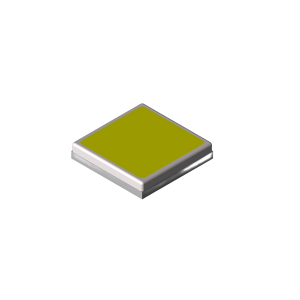





Introducing the revolutionary 3535 plant LED technology, a groundbreaking advancement in the field of horticulture and agriculture. This innovative lighting solution is designed to provide optimal growth conditions for plants, leading to increased yields and healthier crops. In this comprehensive guide, we will delve into the details of the 3535 plant LED, exploring its features, benefits, and its impact on the industry.
Understanding the 3535 Plant LED
The 3535 plant LED is a specialized lighting system developed for plant cultivation. Unlike traditional lighting methods, such as fluorescent or HID lamps, the 3535 plant LED emits a specific spectrum of light that is most beneficial for plant growth. This technology is named after the dimensions of the LED chip used, which measures 3.5mm x 3.5mm.
Key Features of 3535 Plant LED
1. Optimized Spectrum: The 3535 plant LED emits a spectrum that closely matches the natural sunlight, which is crucial for photosynthesis and overall plant health.
2. High Efficiency: These LEDs are highly efficient, converting a significant portion of electrical energy into light, reducing energy consumption and costs.
3. Longevity: The 3535 plant LED has a long lifespan, often exceeding 50,000 hours, minimizing maintenance and replacement costs.
4. Customizable Settings: Many 3535 plant LED systems come with adjustable settings, allowing users to tailor the light intensity and spectrum to the specific needs of their plants.
5. Heat Dissipation: These LEDs are designed with advanced heat dissipation mechanisms, ensuring that the temperature remains optimal for plant growth.
Benefits of Using 3535 Plant LED
1. Increased Yields: Studies have shown that the use of 3535 plant LED technology can lead to significant increases in crop yields, making it an attractive option for commercial farmers.
2. Enhanced Plant Health: The specific spectrum of light emitted by the 3535 plant LED promotes healthier plant growth, leading to stronger stems, more robust leaves, and improved overall plant vigor.
3. Energy Savings: The high efficiency of 3535 plant LED systems results in lower energy consumption, making it a cost-effective solution for both indoor and outdoor cultivation.
4. Environmental Friendliness: By reducing energy consumption and heat output, the 3535 plant LED contributes to a more sustainable and environmentally friendly approach to agriculture.
5. Versatility: The 3535 plant LED is suitable for a wide range of crops and cultivation environments, making it a versatile solution for farmers and gardeners alike.
How 3535 Plant LED Works
The 3535 plant LED operates by emitting light in the photosynthetic active radiation (PAR) spectrum, which is essential for plant growth. The key components of this spectrum include blue, red, and near-infrared light, each playing a critical role in the photosynthesis process.
– Blue Light: Blue light is crucial for the development of stems and leaves, promoting vegetative growth.
– Red Light: Red light is responsible for the flowering and fruiting stages of plants, as well as the production of chlorophyll.
– Near-Infrared Light: Near-infrared light enhances the overall health and vitality of plants, promoting root growth and overall plant development.
The combination of these three wavelengths in the 3535 plant LED provides a balanced and effective lighting solution for plant cultivation.
Applications of 3535 Plant LED
The 3535 plant LED technology has a wide range of applications in the agricultural and horticultural industries:
1. Greenhouses: The use of 3535 plant LED systems in greenhouses allows for year-round cultivation of a variety of crops, regardless of external weather conditions.
2. Hydroponics: In hydroponic systems, the 3535 plant LED provides an efficient and controlled light source for plant growth, optimizing the nutrient uptake and overall health of the plants.
3. Agricultural Research: The specific spectrum and intensity of the 3535 plant LED make it an ideal tool for agricultural research, enabling scientists to study the effects of different light conditions on plant growth.
4. Urban Farming: The compact and energy-efficient nature of the 3535 plant LED makes it an excellent choice for urban farming initiatives, where space and energy are often limited resources.
Challenges and Considerations
While the 3535 plant LED technology offers numerous benefits, there are also some challenges and considerations to keep in mind:
1. Initial Cost: The upfront cost of installing a 3535 plant LED system can be higher than traditional lighting methods, although the long-term energy and maintenance savings often offset this initial investment.
2. Lighting Distance: The 3535 plant LED emits light over a shorter distance compared to some other lighting technologies, which may require additional fixtures for larger growing areas.
3. Quality Control: Ensuring the quality and consistency of the 3535 plant LED systems is crucial for optimal plant growth, as subpar products can lead to disappointing results.
Conclusion
The 3535 plant LED represents a significant advancement in the field of horticulture and agriculture. Its optimized spectrum, high efficiency, and versatility make it an attractive option for farmers, gardeners, and researchers alike. As the technology continues to evolve, we can expect to see even more innovative applications and improvements in the years to come. Embracing the 3535 plant LED technology is not just a step towards more efficient and sustainable agriculture; it is a leap into a new era of plant cultivation.
 English
 Afrikaans
 Albanian
 Amharic
 Arabic
 Armenian
 Azerbaijani
 Basque
 Belarusian
 Bengali
 Bosnian
 Bulgarian
 Catalan
 Cebuano
 Chichewa
 Corsican
 Croatian
 Czech
Czech Danish
 Dutch
Dutch Esperanto
 Estonian
 Filipino
 Finnish
 French
 Frisian
 Galician
 Georgian
 German
 Greek
Greek Gujarati
 Haitian Creole
 Hausa
Hausa Hawaiian
 Hebrew
 Hindi
Hindi Hmong
Hmong Hungarian
 Icelandic
 Igbo
Igbo Indonesian
 Irish
Irish Italian
 Japanese
 Javanese
 Kannada
 Kazakh
 Khmer
Khmer Korean
 Kurdish (Kurmanji)
 Kyrgyz
 Lao
Lao Latin
Latin Latvian
 Lithuanian
 Luxembourgish
 Macedonian
 Malagasy
 Malay
Malay Malayalam
 Maltese
 Maori
Maori Marathi
 Mongolian
 Myanmar (Burmese)
 Nepali
 Norwegian
 Pashto
 Persian
 Polish
 Portuguese
 Punjabi
 Romanian
 Russian
 Samoan
 Scottish Gaelic
 Serbian
 Sesotho
 Shona
Shona Sindhi
 Sinhala
 Slovak
 Slovenian
 Somali
 Spanish
 Sudanese
 Swahili
 Swedish
 Tajik
Tajik Tamil
Tamil Telugu
 Thai
Thai Turkish
 Ukrainian
 Urdu
Urdu Uzbek
Uzbek Vietnamese
 Welsh
Welsh Xhosa
Xhosa Yiddish
 Yoruba
 Zulu
Zulu
Explore More from Queendom Lamp
Stay updated with the latest LED technology, lighting solutions, and industry insights.
Request a Quote About Queendom