





Plant LED lamp, as a cutting-edge lighting technology, has gained significant attention in recent years. This innovative lighting solution not only provides plants with the necessary light for photosynthesis but also offers numerous benefits to both gardeners and indoor plant enthusiasts. In this article, we will delve into the world of Plant LED lamps, exploring their working principles, advantages, applications, and the future trends in this industry.
Introduction to Plant LED Lamp
Plant LED lamps are specialized lighting devices designed to simulate natural sunlight, enabling plants to grow healthily indoors. Unlike traditional grow lights, which often emit a broad spectrum of light, Plant LED lamps emit specific wavelengths that are most beneficial for plant growth. These lamps are becoming increasingly popular among indoor gardeners, hydroponic farmers, and anyone looking to cultivate plants in limited spaces.
Working Principles of Plant LED Lamp
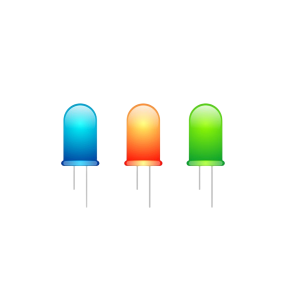
The working principle of Plant LED lamps lies in the emission of light at specific wavelengths that are essential for plant growth. These wavelengths include blue, red, and green light, which are the primary colors responsible for photosynthesis. Blue light promotes leaf development and stem elongation, while red light stimulates flowering and fruiting. Green light, although not as effective as blue and red, still plays a role in photosynthesis and overall plant health.
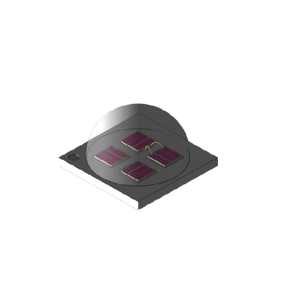
Plant LED lamps are designed to emit these specific wavelengths in a balanced ratio, ensuring optimal growth conditions for plants. The lamps are often equipped with multiple LED chips, each emitting light at a particular wavelength, allowing for precise control over the light spectrum.
Advantages of Plant LED Lamp
1. Energy Efficiency: Plant LED lamps consume significantly less energy compared to traditional grow lights, making them an environmentally friendly choice. This energy-saving feature not only reduces electricity bills but also minimizes heat generation, which can be harmful to plants.
2. Longevity: LED technology is known for its long lifespan, with some Plant LED lamps lasting up to 50,000 hours. This means that gardeners can enjoy years of trouble-free use without the need for frequent replacements.
3. Customizable Light Spectrum: Plant LED lamps offer the flexibility to adjust the light spectrum according to the specific needs of different plants. This allows gardeners to optimize growth conditions and achieve better yields.
4. Space-Saving Design: Plant LED lamps are compact and lightweight, making them ideal for indoor gardening in limited spaces. They can be easily mounted on walls or shelves, providing a convenient and space-saving solution for plant cultivation.
5. Healthier Plants: The precise control over the light spectrum ensures that plants receive the right amount of light at the right time, promoting healthier growth and reducing the risk of plant diseases.
Applications of Plant LED Lamp
Plant LED lamps find applications in various fields, including:
1. Indoor Gardening: Plant LED lamps are perfect for cultivating a wide range of plants indoors, such as herbs, vegetables, and flowers. They provide the necessary light for photosynthesis, allowing plants to grow even in low-light conditions.
2. Hydroponic Farming: Hydroponic farmers rely on Plant LED lamps to provide the necessary light for plant growth without the need for soil. These lamps ensure optimal growth conditions, leading to higher yields and healthier plants.
3. Vertical Farming: Plant LED lamps are an essential component of vertical farming systems, enabling the cultivation of plants in stacked layers. This innovative approach maximizes space utilization and reduces the need for traditional agricultural land.
4. Greenhouses: Plant LED lamps can be used in greenhouses to supplement natural sunlight, ensuring consistent growth conditions for plants throughout the year.
Future Trends in Plant LED Lamp Industry
The Plant LED lamp industry is expected to witness several trends in the coming years:
1. Integration with IoT: Plant LED lamps are likely to be integrated with the Internet of Things (IoT) technology, allowing for remote monitoring and control of lighting conditions. This will enable gardeners to optimize plant growth even when they are away from their gardens.
2. Advancements in LED Technology: Ongoing research and development in LED technology are expected to lead to more efficient and cost-effective Plant LED lamps. This will make the technology more accessible to a wider audience.
3. Customization and Personalization: Plant LED lamps will likely offer more customization options, allowing gardeners to tailor the light spectrum to their specific plant requirements. This will result in healthier plants and better yields.
4. Expansion into New Markets: As the demand for indoor gardening and sustainable agriculture grows, the Plant LED lamp industry is expected to expand into new markets, such as commercial greenhouses and urban farming projects.
In conclusion, Plant LED lamps have revolutionized the way we grow plants indoors. With their energy-efficient, customizable, and space-saving features, these lamps offer numerous benefits to gardeners and plant enthusiasts. As the industry continues to evolve, we can expect to see even more innovative Plant LED lamps that will further enhance our ability to cultivate plants in optimal conditions.
 English
 Afrikaans
 Albanian
 Amharic
 Arabic
 Armenian
 Azerbaijani
 Basque
 Belarusian
 Bengali
 Bosnian
 Bulgarian
 Catalan
 Cebuano
 Chichewa
 Corsican
 Croatian
 Czech
Czech Danish
 Dutch
Dutch Esperanto
 Estonian
 Filipino
 Finnish
 French
 Frisian
 Galician
 Georgian
 German
 Greek
Greek Gujarati
 Haitian Creole
 Hausa
Hausa Hawaiian
 Hebrew
 Hindi
Hindi Hmong
Hmong Hungarian
 Icelandic
 Igbo
Igbo Indonesian
 Irish
Irish Italian
 Japanese
 Javanese
 Kannada
 Kazakh
 Khmer
Khmer Korean
 Kurdish (Kurmanji)
 Kyrgyz
 Lao
Lao Latin
Latin Latvian
 Lithuanian
 Luxembourgish
 Macedonian
 Malagasy
 Malay
Malay Malayalam
 Maltese
 Maori
Maori Marathi
 Mongolian
 Myanmar (Burmese)
 Nepali
 Norwegian
 Pashto
 Persian
 Polish
 Portuguese
 Punjabi
 Romanian
 Russian
 Samoan
 Scottish Gaelic
 Serbian
 Sesotho
 Shona
Shona Sindhi
 Sinhala
 Slovak
 Slovenian
 Somali
 Spanish
 Sudanese
 Swahili
 Swedish
 Tajik
Tajik Tamil
Tamil Telugu
 Thai
Thai Turkish
 Ukrainian
 Urdu
Urdu Uzbek
Uzbek Vietnamese
 Welsh
Welsh Xhosa
Xhosa Yiddish
 Yoruba
 Zulu
Zulu
Explore More from Queendom Lamp
Stay updated with the latest LED technology, lighting solutions, and industry insights.
Request a Quote About Queendom