



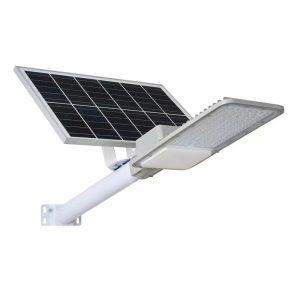
Introducing the Inverter LED Panel Light: A Game-Changer in Energy-Efficient Lighting
Introduction to Inverter LED Panel Light
The inverter LED panel light has emerged as a revolutionary lighting solution in the modern era, offering a blend of energy efficiency, long lifespan, and exceptional performance. As the world moves towards sustainable practices, the inverter LED panel light has become a staple in commercial, industrial, and residential settings. This article delves into the intricacies of inverter LED panel lights, their benefits, and their impact on the lighting industry.
What is an Inverter LED Panel Light?
An inverter LED panel light is a type of LED lighting fixture that utilizes an inverter to convert the alternating current (AC) from the power supply into direct current (DC) for the LED chips. This conversion process is essential for the proper functioning of LED lights, as LEDs operate on DC power. The inverter not only ensures the correct voltage and current are supplied to the LEDs but also improves the overall efficiency and performance of the light fixture.
How Does an Inverter LED Panel Light Work?
The inverter LED panel light operates by taking the AC power from the electrical grid and using an inverter to convert it into DC power. This DC power is then sent to the LED chips, which emit light. The inverter plays a crucial role in this process by regulating the voltage and current to ensure that the LEDs are operating at their optimal levels. This not only prolongs the lifespan of the LEDs but also ensures consistent and high-quality light output.
Benefits of Inverter LED Panel Lights
1. Energy Efficiency: Inverter LED panel lights are known for their exceptional energy efficiency. By converting AC to DC, they reduce energy loss and consume up to 70% less power than traditional lighting solutions. This makes them an ideal choice for reducing energy bills and carbon footprints.
2. Long Lifespan: LED technology inherently offers a long lifespan, and when paired with an inverter, the lifespan of inverter LED panel lights is further extended. These lights can last up to 50,000 hours, which is significantly longer than traditional lighting solutions.
3. Quality of Light: Inverter LED panel lights provide a high-quality, natural light that is free from flickering and stroboscopic effects. This makes them suitable for environments where accurate color rendering is essential, such as offices, retail spaces, and healthcare facilities.
4. Reduced Heat Output: LED lights generate less heat compared to traditional lighting solutions. This is particularly beneficial in environments where heat can be a concern, such as data centers and server rooms.
5. Dimmable: Many inverter LED panel lights come with dimming capabilities, allowing users to adjust the light intensity according to their needs. This feature adds versatility and comfort to the lighting experience.
Applications of Inverter LED Panel Lights
Inverter LED panel lights find applications in a wide range of settings, including:
– Commercial Buildings: Offices, retail spaces, hotels, and restaurants.
– Industrial Settings: Factories, warehouses, and manufacturing facilities.
– Residential: Homes, apartments, and condominiums.
– Public Spaces: Hospitals, schools, airports, and public transportation.
– Outdoor Lighting: Streets, parks, and outdoor recreational areas.
Challenges and Considerations
While inverter LED panel lights offer numerous benefits, there are some challenges and considerations to keep in mind:
1. Initial Cost: The initial cost of inverter LED panel lights can be higher than traditional lighting solutions. However, the long-term energy savings and reduced maintenance costs often outweigh this initial investment.
2. Installation: Proper installation is crucial for the optimal performance of inverter LED panel lights. It is advisable to hire a qualified electrician to ensure safe and efficient installation.
3. Regulatory Compliance: In some regions, there may be specific regulations regarding lighting fixtures. It is important to ensure that inverter LED panel lights comply with local standards and codes.
4. Maintenance: While inverter LED panel lights require minimal maintenance, it is essential to check the electrical connections and clean the fixtures periodically to maintain their efficiency and lifespan.
Conclusion
The inverter LED panel light has become a cornerstone in the lighting industry, offering a sustainable and energy-efficient solution for a wide range of applications. With their numerous benefits and versatility, these lights are set to continue shaping the future of lighting. As the world moves towards a more sustainable future, the inverter LED panel light stands as a testament to innovation and progress in the lighting sector.
 English
 Afrikaans
 Albanian
 Amharic
 Arabic
 Armenian
 Azerbaijani
 Basque
 Belarusian
 Bengali
 Bosnian
 Bulgarian
 Catalan
 Cebuano
 Chichewa
 Corsican
 Croatian
 Czech
Czech Danish
 Dutch
Dutch Esperanto
 Estonian
 Filipino
 Finnish
 French
 Frisian
 Galician
 Georgian
 German
 Greek
Greek Gujarati
 Haitian Creole
 Hausa
Hausa Hawaiian
 Hebrew
 Hindi
Hindi Hmong
Hmong Hungarian
 Icelandic
 Igbo
Igbo Indonesian
 Irish
Irish Italian
 Japanese
 Javanese
 Kannada
 Kazakh
 Khmer
Khmer Korean
 Kurdish (Kurmanji)
 Kyrgyz
 Lao
Lao Latin
Latin Latvian
 Lithuanian
 Luxembourgish
 Macedonian
 Malagasy
 Malay
Malay Malayalam
 Maltese
 Maori
Maori Marathi
 Mongolian
 Myanmar (Burmese)
 Nepali
 Norwegian
 Pashto
 Persian
 Polish
 Portuguese
 Punjabi
 Romanian
 Russian
 Samoan
 Scottish Gaelic
 Serbian
 Sesotho
 Shona
Shona Sindhi
 Sinhala
 Slovak
 Slovenian
 Somali
 Spanish
 Sudanese
 Swahili
 Swedish
 Tajik
Tajik Tamil
Tamil Telugu
 Thai
Thai Turkish
 Ukrainian
 Urdu
Urdu Uzbek
Uzbek Vietnamese
 Welsh
Welsh Xhosa
Xhosa Yiddish
 Yoruba
 Zulu
Zulu
Explore More from Queendom Lamp
Stay updated with the latest LED technology, lighting solutions, and industry insights.
Request a Quote About Queendom