








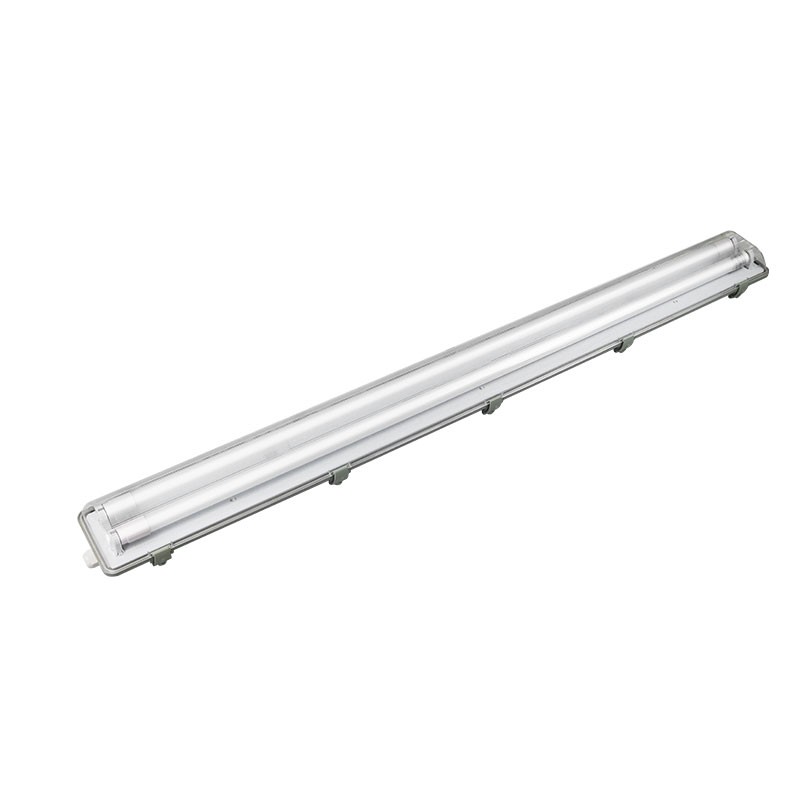
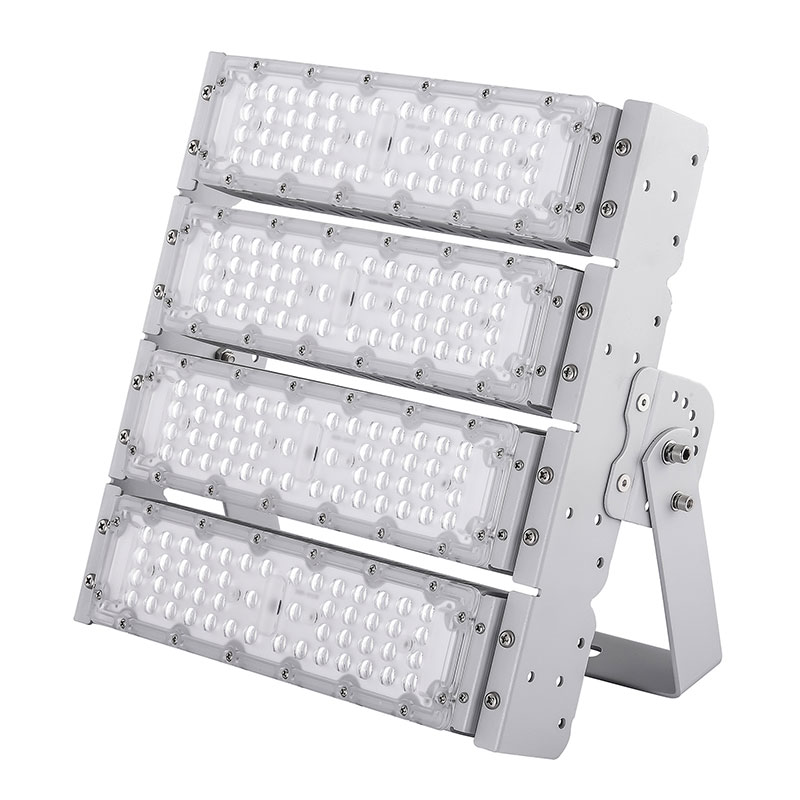


Emergency LED lights have become an indispensable component in modern emergency preparedness and safety systems. These lights are designed to provide illumination during power outages or in critical situations where conventional lighting is unavailable. With the advancements in LED technology, emergency LED lights have become more efficient, durable, and versatile, making them a popular choice for both residential and commercial applications.
Introduction to Emergency LED Lights
Emergency LED lights are designed to be used during emergencies such as natural disasters, power failures, or any situation where standard lighting is not accessible. They are equipped with LED bulbs, which are known for their energy efficiency and long lifespan. These lights come in various forms, including battery-powered lanterns, hand-held flashlights, and wall-mounted emergency lights.
How Emergency LED Lights Work
Emergency LED lights work by converting electrical energy into light. The LED (Light Emitting Diode) is a semiconductor device that emits light when an electric current passes through it. This process is highly efficient, as LEDs produce very little heat compared to traditional incandescent bulbs. The LED chips are mounted on a circuit board, which is then encased in a durable, shock-resistant housing.
Types of Emergency LED Lights
There are several types of emergency LED lights available, each designed for specific applications:
1. Battery-Powered Lanterns: These are portable lights that can be carried around and used anywhere. They typically have a long-lasting rechargeable battery and can be charged using a USB port or a wall outlet.
2. Hand-Held Flashlights: These are compact and lightweight, making them easy to carry in a pocket or bag. They come with various brightness settings and some models have features like a strobe mode for signaling.
3. Wall-Mounted Emergency Lights: These are fixed to walls and provide continuous illumination during power outages. They are often installed in offices, schools, and hospitals and can be powered by a battery backup or connected to the main electrical supply.
4. Ceiling-Mounted Emergency Lights: Similar to wall-mounted lights, these are installed in ceilings and provide widespread illumination. They are commonly used in larger buildings and public spaces.
Benefits of Emergency LED Lights
Emergency LED lights offer several advantages over traditional lighting solutions:
1. Energy Efficiency: LEDs consume significantly less energy than incandescent bulbs, making them more cost-effective in the long run.
2. Longevity: LED bulbs have a much longer lifespan than traditional bulbs, often lasting up to 25,000 hours or more.
3. Durability: Emergency LED lights are designed to withstand harsh conditions, including shocks, vibrations, and extreme temperatures.
4. Safety: LEDs emit very little heat, reducing the risk of fire hazards compared to incandescent bulbs.
Applications of Emergency LED Lights
Emergency LED lights are used in a wide range of settings, including:
1. Residential: Homeowners can use emergency LED lights to ensure their safety during power outages or natural disasters.
2. Commercial: Businesses can install emergency LED lights in their buildings to comply with safety regulations and ensure their employees’ safety.
3. Public Spaces: Emergency LED lights are often installed in parks, public buildings, and transportation hubs to provide illumination during emergencies.
4. Outdoor Activities: Hikers, campers, and other outdoor enthusiasts use emergency LED lights for safety and convenience.
Regulations and Standards
The use of emergency LED lights is governed by various regulations and standards to ensure their safety and effectiveness. These include:
1. UL (Underwriters Laboratories): UL certification ensures that emergency LED lights meet safety standards and are reliable during emergencies.
2. FCC (Federal Communications Commission): FCC certification is required for emergency LED lights that emit electromagnetic signals.
3. CE (Conformité Européenne): CE certification is a mark of compliance with EU health, safety, and environmental requirements.
Future Trends in Emergency LED Lights
As technology continues to advance, emergency LED lights are expected to become even more sophisticated. Some of the future trends include:
1. Intelligent Lighting: Emergency LED lights may be equipped with sensors that automatically turn on when power is out or when motion is detected.
2. Wireless Charging: Newer models of emergency LED lights may feature wireless charging capabilities, eliminating the need for cables.
3. Solar-Powered Options: Solar-powered emergency LED lights will become more common, providing a renewable energy source for illumination.
4. Customization: Emergency LED lights may offer customizable features, such as programmable brightness levels and multiple light modes.
In conclusion, emergency LED lights play a crucial role in ensuring safety and preparedness in various environments. With their energy efficiency, durability, and versatility, these lights are set to remain a vital part of emergency preparedness and safety systems for years to come.
 English
 Afrikaans
 Albanian
 Amharic
 Arabic
 Armenian
 Azerbaijani
 Basque
 Belarusian
 Bengali
 Bosnian
 Bulgarian
 Catalan
 Cebuano
 Chichewa
 Corsican
 Croatian
 Czech
Czech Danish
 Dutch
Dutch Esperanto
 Estonian
 Filipino
 Finnish
 French
 Frisian
 Galician
 Georgian
 German
 Greek
Greek Gujarati
 Haitian Creole
 Hausa
Hausa Hawaiian
 Hebrew
 Hindi
Hindi Hmong
Hmong Hungarian
 Icelandic
 Igbo
Igbo Indonesian
 Irish
Irish Italian
 Japanese
 Javanese
 Kannada
 Kazakh
 Khmer
Khmer Korean
 Kurdish (Kurmanji)
 Kyrgyz
 Lao
Lao Latin
Latin Latvian
 Lithuanian
 Luxembourgish
 Macedonian
 Malagasy
 Malay
Malay Malayalam
 Maltese
 Maori
Maori Marathi
 Mongolian
 Myanmar (Burmese)
 Nepali
 Norwegian
 Pashto
 Persian
 Polish
 Portuguese
 Punjabi
 Romanian
 Russian
 Samoan
 Scottish Gaelic
 Serbian
 Sesotho
 Shona
Shona Sindhi
 Sinhala
 Slovak
 Slovenian
 Somali
 Spanish
 Sudanese
 Swahili
 Swedish
 Tajik
Tajik Tamil
Tamil Telugu
 Thai
Thai Turkish
 Ukrainian
 Urdu
Urdu Uzbek
Uzbek Vietnamese
 Welsh
Welsh Xhosa
Xhosa Yiddish
 Yoruba
 Zulu
Zulu
Explore More from Queendom Lamp
Stay updated with the latest LED technology, lighting solutions, and industry insights.
Request a Quote About Queendom