



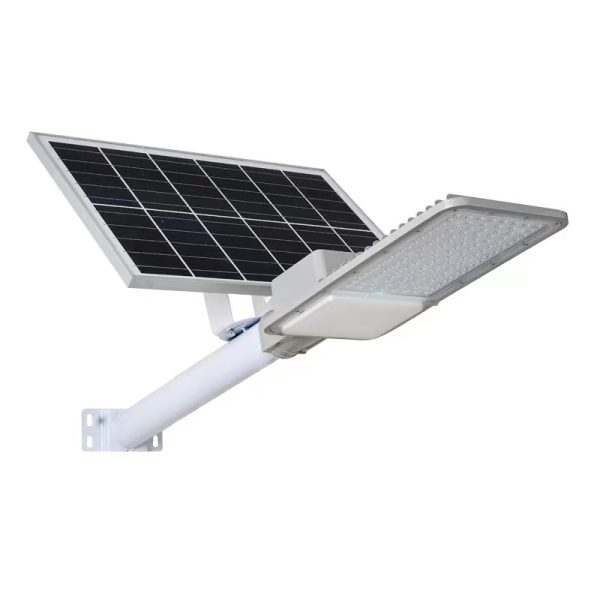
Emergency LED panels are essential components in modern emergency lighting systems, providing immediate illumination during power outages or other critical situations. These panels are designed to ensure safety and guide individuals to safe exits in buildings such as offices, schools, hospitals, and public transportation facilities. This article delves into the industry of emergency LED panels, exploring their design, functionality, and importance in ensuring public safety.
Introduction to Emergency LED Panels
Emergency LED panels are specialized lighting devices that are activated when the primary power supply fails. They are often mounted on walls or ceilings and are designed to provide a high level of visibility to help people navigate through dark or smoke-filled environments. The use of LED technology in emergency lighting offers several advantages over traditional incandescent or fluorescent bulbs, including energy efficiency, longer lifespan, and lower maintenance requirements.
Design and Construction of Emergency LED Panels
The design of emergency LED panels is focused on durability and reliability. These panels are constructed with high-quality materials that can withstand harsh conditions, such as extreme temperatures, humidity, and physical impact. The housing is typically made of robust materials like polycarbonate or aluminum, which offer excellent resistance to corrosion and environmental factors.
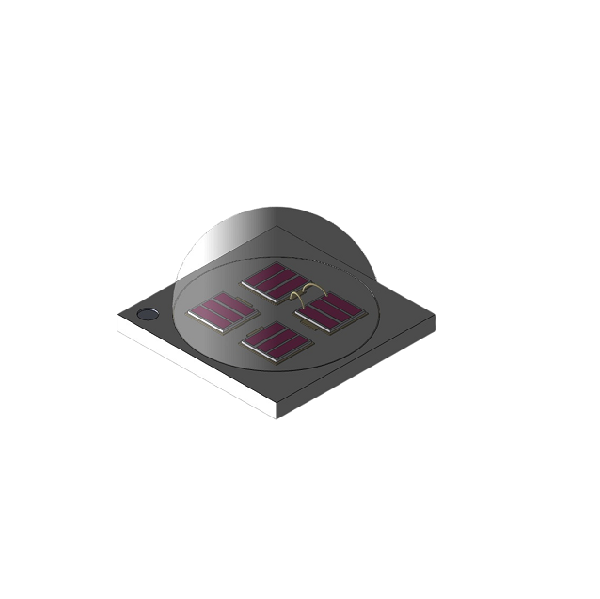
The LED modules within the panel are arranged in a way that ensures even distribution of light across the surface. This design helps to minimize shadows and provides a clear path for evacuation. Emergency LED panels also incorporate heat sinks to dissipate heat effectively, preventing overheating and prolonging the life of the LEDs.
Functionality and Performance
Emergency LED panels are engineered to meet stringent performance standards. They are designed to provide a minimum of 90 minutes of illumination in the event of a power failure, which is the standard duration required by most building codes. The panels are equipped with a battery backup system that ensures continuous operation during power outages.
The brightness of emergency LED panels is crucial for effective illumination. They are typically rated at least 0.5 lux, which is sufficient to see clearly in low-light conditions. Some advanced models offer adjustable brightness settings, allowing users to tailor the light output to specific needs.
In addition to providing illumination, emergency LED panels often come with additional features. These may include integrated speakers for emergency announcements, touch-sensitive switches for manual control, and wireless connectivity for remote monitoring and management.
Regulatory Compliance and Standards
The emergency lighting industry is heavily regulated to ensure the safety of building occupants. Emergency LED panels must comply with various international and local standards, such as the International Electrotechnical Commission (IEC) and the National Fire Protection Association (NFPA). These standards dictate the performance, design, and installation requirements for emergency lighting systems.
Compliance with these standards is crucial for building owners and facility managers, as non-compliance can result in legal and financial penalties. It is essential to work with certified professionals who are knowledgeable about the latest regulations and can ensure that emergency LED panels are installed correctly.
Market Trends and Innovations
The emergency LED panel market is continuously evolving, with new technologies and innovations being introduced regularly. One of the most significant trends is the integration of smart technology into emergency lighting systems. Smart emergency LED panels can be connected to building management systems, allowing for centralized control and monitoring.
Another trend is the development of energy-efficient emergency lighting solutions. As sustainability becomes increasingly important, manufacturers are focusing on creating panels that consume less energy while still meeting the required performance standards.
Conclusion
Emergency LED panels play a vital role in ensuring public safety during emergencies. Their design, functionality, and regulatory compliance make them an essential component of modern emergency lighting systems. As the industry continues to innovate and adapt to new technologies, emergency LED panels will likely become even more sophisticated and efficient, providing enhanced safety and peace of mind for building occupants worldwide.
 English
 Afrikaans
 Albanian
 Amharic
 Arabic
 Armenian
 Azerbaijani
 Basque
 Belarusian
 Bengali
 Bosnian
 Bulgarian
 Catalan
 Cebuano
 Chichewa
 Corsican
 Croatian
 Czech
Czech Danish
 Dutch
Dutch Esperanto
 Estonian
 Filipino
 Finnish
 French
 Frisian
 Galician
 Georgian
 German
 Greek
Greek Gujarati
 Haitian Creole
 Hausa
Hausa Hawaiian
 Hebrew
 Hindi
Hindi Hmong
Hmong Hungarian
 Icelandic
 Igbo
Igbo Indonesian
 Irish
Irish Italian
 Japanese
 Javanese
 Kannada
 Kazakh
 Khmer
Khmer Korean
 Kurdish (Kurmanji)
 Kyrgyz
 Lao
Lao Latin
Latin Latvian
 Lithuanian
 Luxembourgish
 Macedonian
 Malagasy
 Malay
Malay Malayalam
 Maltese
 Maori
Maori Marathi
 Mongolian
 Myanmar (Burmese)
 Nepali
 Norwegian
 Pashto
 Persian
 Polish
 Portuguese
 Punjabi
 Romanian
 Russian
 Samoan
 Scottish Gaelic
 Serbian
 Sesotho
 Shona
Shona Sindhi
 Sinhala
 Slovak
 Slovenian
 Somali
 Spanish
 Sudanese
 Swahili
 Swedish
 Tajik
Tajik Tamil
Tamil Telugu
 Thai
Thai Turkish
 Ukrainian
 Urdu
Urdu Uzbek
Uzbek Vietnamese
 Welsh
Welsh Xhosa
Xhosa Yiddish
 Yoruba
 Zulu
Zulu
Explore More from Queendom Lamp
Stay updated with the latest LED technology, lighting solutions, and industry insights.
Request a Quote About Queendom