

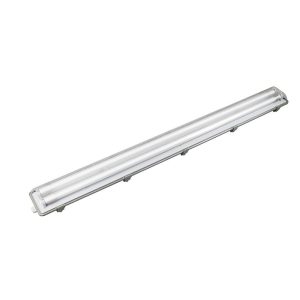
Emergency induction panel lamps are an essential component in the field of emergency lighting systems. These specialized lamps are designed to provide illumination during power outages or other emergencies, ensuring that people can safely navigate through darkened areas. This article delves into the details of emergency induction panel lamps, their applications, benefits, and the technology behind them.
Introduction to Emergency Induction Panel Lamps
Emergency induction panel lamps are a type of lighting fixture that uses induction technology to generate light. Unlike traditional lighting fixtures that rely on filaments or neon gases, induction lamps use a high-frequency electromagnetic field to excite mercury vapor, which then emits ultraviolet light. This ultraviolet light is then converted into visible light by a phosphor coating on the lamp’s glass or ceramic tube.
The induction process is highly efficient, with an average efficiency of around 90%, which means that a significant portion of the electrical energy is converted into light rather than heat. This efficiency makes induction lamps a popular choice for emergency lighting applications, where energy conservation is crucial.
Applications of Emergency Induction Panel Lamps
Emergency induction panel lamps are used in a variety of settings to ensure safety during power failures. Some common applications include:
1. Commercial Buildings: Office buildings, hospitals, schools, and shopping centers often install emergency induction panel lamps to comply with local building codes and regulations.
2. Public Transportation: Trains, buses, and subways use these lamps to maintain visibility for passengers and staff during power outages.
3. Industrial Facilities: Factories and warehouses rely on emergency induction panel lamps to ensure that operations can continue safely in the event of a power loss.
4. Residential Buildings: Apartment complexes and condominiums may also incorporate these lamps into their emergency lighting systems.
Benefits of Emergency Induction Panel Lamps
There are several advantages to using emergency induction panel lamps over traditional emergency lighting solutions:
1. Longevity: Induction lamps have an average lifespan of 20,000 to 50,000 hours, which is significantly longer than traditional incandescent or fluorescent lamps. This reduces maintenance and replacement costs over time.
2. Energy Efficiency: As mentioned earlier, induction lamps are highly efficient, which translates to lower energy consumption and reduced operating costs.
3. Instantaneous On: Induction lamps provide instant light when activated, which is crucial during emergencies when immediate visibility is essential.
4. Cool Operation: Induction lamps generate very little heat, which makes them safer to use in areas where heat can be a concern, such as near flammable materials.
5. Environmental Impact: The longer lifespan and lower energy consumption of induction lamps contribute to a reduced environmental footprint compared to traditional lighting solutions.
Technology Behind Emergency Induction Panel Lamps
The technology behind emergency induction panel lamps involves several key components:
1. Induction Engine: This is the core of the lamp, where the high-frequency electromagnetic field is generated. It consists of a coil and a magnetic core.
2. Mercury Vapor: The mercury vapor is contained within the glass or ceramic tube of the lamp. When excited by the electromagnetic field, it emits ultraviolet light.
3. Phosphor Coating: The ultraviolet light is then converted into visible light by a phosphor coating on the inside of the lamp. Different phosphor coatings can produce different color temperatures and light outputs.
4. Ballast: The ballast is an electronic device that controls the flow of electrical current to the lamp. It ensures that the lamp operates at the correct voltage and frequency.
Regulatory Compliance
Emergency induction panel lamps must comply with various regulatory standards to ensure safety and effectiveness. These standards may vary depending on the country or region, but they typically include:
1. Safety Standards: These standards ensure that the lamps are safe to use in emergency situations, including resistance to shock, vibration, and temperature extremes.
2. Performance Standards: These standards define the minimum performance requirements for emergency lighting, such as light output and duration of operation.
3. Certification: Many countries require that emergency induction panel lamps be certified by an independent testing laboratory to ensure compliance with the relevant standards.
Conclusion
Emergency induction panel lamps play a vital role in ensuring safety during emergencies. Their efficiency, longevity, and instant lighting capabilities make them an excellent choice for emergency lighting systems in a wide range of applications. As technology continues to advance, it is likely that we will see further improvements in the performance and reliability of emergency induction panel lamps, making them an even more essential component of modern emergency lighting solutions.
 English
 Afrikaans
 Albanian
 Amharic
 Arabic
 Armenian
 Azerbaijani
 Basque
 Belarusian
 Bengali
 Bosnian
 Bulgarian
 Catalan
 Cebuano
 Chichewa
 Corsican
 Croatian
 Czech
Czech Danish
 Dutch
Dutch Esperanto
 Estonian
 Filipino
 Finnish
 French
 Frisian
 Galician
 Georgian
 German
 Greek
Greek Gujarati
 Haitian Creole
 Hausa
Hausa Hawaiian
 Hebrew
 Hindi
Hindi Hmong
Hmong Hungarian
 Icelandic
 Igbo
Igbo Indonesian
 Irish
Irish Italian
 Japanese
 Javanese
 Kannada
 Kazakh
 Khmer
Khmer Korean
 Kurdish (Kurmanji)
 Kyrgyz
 Lao
Lao Latin
Latin Latvian
 Lithuanian
 Luxembourgish
 Macedonian
 Malagasy
 Malay
Malay Malayalam
 Maltese
 Maori
Maori Marathi
 Mongolian
 Myanmar (Burmese)
 Nepali
 Norwegian
 Pashto
 Persian
 Polish
 Portuguese
 Punjabi
 Romanian
 Russian
 Samoan
 Scottish Gaelic
 Serbian
 Sesotho
 Shona
Shona Sindhi
 Sinhala
 Slovak
 Slovenian
 Somali
 Spanish
 Sudanese
 Swahili
 Swedish
 Tajik
Tajik Tamil
Tamil Telugu
 Thai
Thai Turkish
 Ukrainian
 Urdu
Urdu Uzbek
Uzbek Vietnamese
 Welsh
Welsh Xhosa
Xhosa Yiddish
 Yoruba
 Zulu
Zulu
Explore More from Queendom Lamp
Stay updated with the latest LED technology, lighting solutions, and industry insights.
Request a Quote About Queendom