
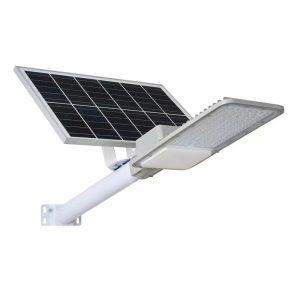
With the increasing awareness of environmental protection and the need for sustainable energy solutions, the emergency light with solar panel has emerged as a crucial component in modern emergency lighting systems. This innovative lighting solution combines the reliability of emergency lighting with the renewable energy potential of solar power, making it an attractive option for various applications, from residential buildings to commercial establishments and public infrastructure.
Introduction to Emergency Lights with Solar Panels
Emergency lights with solar panels are designed to provide illumination during power outages or emergencies, ensuring the safety of individuals in the affected areas. These lights are equipped with solar panels that charge built-in batteries during daylight hours, storing energy for use when the main power supply is interrupted. This feature not only reduces the need for frequent battery replacements but also contributes to the reduction of carbon emissions, making it an eco-friendly choice.
How Solar-Powered Emergency Lights Work
The working principle of solar-powered emergency lights is straightforward. The solar panels absorb sunlight and convert it into electrical energy, which is then stored in the batteries. When the power goes out, the stored energy is released to power the emergency lights. Most solar emergency lights come with a charge indicator that shows the battery level, allowing users to monitor the system’s status.
Benefits of Solar-Powered Emergency Lights
1. Environmental Sustainability: By harnessing solar energy, these lights contribute to reducing greenhouse gas emissions and the carbon footprint associated with traditional energy sources.
2. Energy Independence: Solar-powered emergency lights are not dependent on the grid, making them a reliable source of light during power outages, natural disasters, or other emergencies.
3. Reduced Maintenance Costs: With no need for frequent battery replacements, solar emergency lights can significantly reduce maintenance costs over their lifetime.
4. Longevity: Solar panels have a long lifespan, often exceeding 25 years, ensuring that the lights continue to operate efficiently for many years.
5. Safety: During emergencies, solar-powered emergency lights provide a safe and reliable source of light, helping to prevent accidents and maintain order.
Applications of Solar-Powered Emergency Lights
Solar emergency lights are versatile and can be used in a wide range of settings:
1. Residential Buildings: They are ideal for use in homes, providing a backup light source in case of power outages.
2. Commercial Establishments: Businesses can install solar emergency lights to ensure the safety of their employees and customers during power failures.
3. Public Infrastructure: These lights are commonly used in parks, streets, and public buildings to provide illumination during emergencies or for nighttime visibility.
4. Disaster Relief: Solar-powered emergency lights are invaluable during natural disasters, as they can be quickly deployed in affected areas without the need for immediate access to the power grid.
5. Remote Locations: They are particularly useful in remote or off-grid locations where access to traditional power sources is limited.
Design and Features of Solar-Powered Emergency Lights
The design of solar-powered emergency lights varies depending on the intended use and application. However, most models share common features:
1. Solar Panels: High-efficiency solar panels are used to maximize energy conversion and minimize the surface area required.
2. LED Lights: LED bulbs are commonly used for their energy efficiency and long lifespan.
3. Battery Storage: Rechargeable batteries, such as lithium-ion or lead-acid, are used to store energy for use during the night or when sunlight is unavailable.
4. Motion Sensors: Some models are equipped with motion sensors to activate the lights when movement is detected, conserving energy when not in use.
5. Durability: These lights are often designed to withstand harsh weather conditions, including rain, snow, and extreme temperatures.
Market Trends and Future Outlook
The market for solar-powered emergency lights is growing rapidly, driven by increasing environmental concerns, technological advancements, and government initiatives promoting renewable energy. As the cost of solar panels continues to decrease and the efficiency of energy storage systems improves, we can expect to see more widespread adoption of solar emergency lighting in the future.
Moreover, the integration of smart technology into solar-powered emergency lights is expected to further enhance their functionality and user experience. For instance, smart sensors can provide real-time data on energy consumption and system performance, allowing for more efficient management and maintenance.
In conclusion, the emergency light with solar panel represents a significant advancement in emergency lighting technology. Its combination of reliability, sustainability, and cost-effectiveness makes it an attractive solution for a variety of applications. As the world continues to move towards renewable energy sources, solar-powered emergency lights are poised to play a crucial role in ensuring safety and preparedness in both urban and rural environments.
 English
 Afrikaans
 Albanian
 Amharic
 Arabic
 Armenian
 Azerbaijani
 Basque
 Belarusian
 Bengali
 Bosnian
 Bulgarian
 Catalan
 Cebuano
 Chichewa
 Corsican
 Croatian
 Czech
Czech Danish
 Dutch
Dutch Esperanto
 Estonian
 Filipino
 Finnish
 French
 Frisian
 Galician
 Georgian
 German
 Greek
Greek Gujarati
 Haitian Creole
 Hausa
Hausa Hawaiian
 Hebrew
 Hindi
Hindi Hmong
Hmong Hungarian
 Icelandic
 Igbo
Igbo Indonesian
 Irish
Irish Italian
 Japanese
 Javanese
 Kannada
 Kazakh
 Khmer
Khmer Korean
 Kurdish (Kurmanji)
 Kyrgyz
 Lao
Lao Latin
Latin Latvian
 Lithuanian
 Luxembourgish
 Macedonian
 Malagasy
 Malay
Malay Malayalam
 Maltese
 Maori
Maori Marathi
 Mongolian
 Myanmar (Burmese)
 Nepali
 Norwegian
 Pashto
 Persian
 Polish
 Portuguese
 Punjabi
 Romanian
 Russian
 Samoan
 Scottish Gaelic
 Serbian
 Sesotho
 Shona
Shona Sindhi
 Sinhala
 Slovak
 Slovenian
 Somali
 Spanish
 Sudanese
 Swahili
 Swedish
 Tajik
Tajik Tamil
Tamil Telugu
 Thai
Thai Turkish
 Ukrainian
 Urdu
Urdu Uzbek
Uzbek Vietnamese
 Welsh
Welsh Xhosa
Xhosa Yiddish
 Yoruba
 Zulu
Zulu
Explore More from Queendom Lamp
Stay updated with the latest LED technology, lighting solutions, and industry insights.
Request a Quote About Queendom