


Introduction to SMD Diodes in the Electronics Industry
What is an SMD Diode?
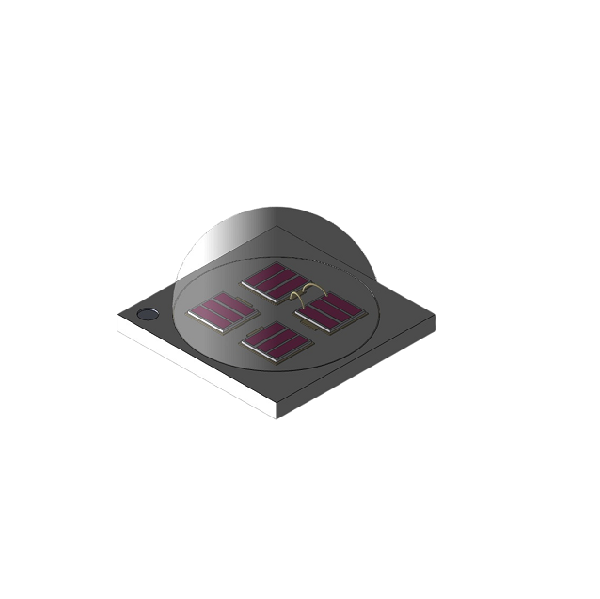
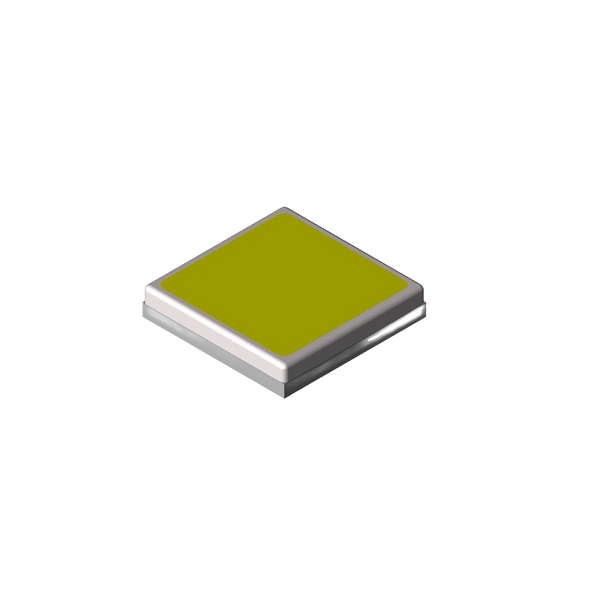
Surface Mount Diodes (SMDs) are a type of semiconductor device that is designed to be mounted directly onto the surface of a printed circuit board (PCB). Unlike through-hole components, which have leads that pass through the board, SMDs are mounted with solder paste and then reflowed to create a permanent bond. This compact and efficient design has made SMD diodes a popular choice in the electronics industry for various applications.
SMD diodes are made from a variety of semiconductor materials, such as silicon, germanium, and gallium arsenide. They are available in different types, including rectifier, zener, Schottky, and varactor diodes, each with its own specific characteristics and applications. These diodes are widely used in power supplies, signal processing, and communication systems, among others.
Advantages of SMD Diodes
The use of SMD diodes offers several advantages over traditional through-hole components. Some of these benefits include:
1. Size and Space Efficiency: SMD diodes are significantly smaller than through-hole components, allowing for more compact and dense PCB layouts. This is particularly beneficial in high-density applications, such as mobile devices and portable electronics.
2. Cost-Effectiveness: The smaller size of SMD diodes reduces the amount of material required, resulting in lower production costs. Additionally, the automated assembly process for SMD components is faster and more efficient, further reducing manufacturing costs.
3. Improved Heat Dissipation: SMD diodes are mounted directly onto the PCB, which allows for better heat dissipation compared to through-hole components. This is crucial in high-power applications, where excessive heat can damage the device.
4. Enhanced Reliability: The absence of leads in SMD diodes reduces the risk of mechanical stress and vibration, which can lead to component failure. This makes SMD diodes more reliable and durable, especially in harsh environmental conditions.
5. Ease of Assembly: The automated assembly process for SMD diodes is faster and more efficient than that for through-hole components. This not only reduces production time but also minimizes the risk of human error during manual assembly.
Types of SMD Diodes
SMD diodes come in various types, each with its own unique characteristics and applications. Here are some of the most common types:
1. Rectifier Diodes: Rectifier diodes are used to convert alternating current (AC) to direct current (DC). They are commonly used in power supplies, battery chargers, and other applications where AC-to-DC conversion is required.
2. Zener Diodes: Zener diodes are designed to operate in the reverse-biased condition and maintain a constant voltage across their terminals. They are widely used in voltage regulation, overvoltage protection, and timing circuits.
3. Schottky Diodes: Schottky diodes are known for their low forward voltage drop and fast switching speed. They are commonly used in applications such as switching power supplies, RF signal processing, and clamp circuits.
4. Varactor Diodes: Varactor diodes are used in voltage-controlled oscillators (VCOs), phase-locked loops (PLLs), and other frequency-dependent circuits. They are capable of varying their capacitance with changes in voltage, making them ideal for tuning and filtering applications.
Applications of SMD Diodes
SMD diodes are used in a wide range of applications across various industries. Some of the most common applications include:
1. Consumer Electronics: SMD diodes are extensively used in mobile devices, such as smartphones, tablets, and laptops. They are essential for power management, signal processing, and other critical functions.
2. Automotive Industry: SMD diodes are used in automotive applications, such as engine control units (ECUs), infotainment systems, and lighting systems. They provide efficient power conversion and signal processing capabilities.
3. Telecommunications: SMD diodes are used in telecommunication equipment, such as base stations, routers, and modems. They are essential for signal processing, power management, and other critical functions.
4. Industrial Equipment: SMD diodes are used in industrial applications, such as motor control, power supplies, and measurement equipment. They provide reliable and efficient performance in harsh environmental conditions.
5. Medical Devices: SMD diodes are used in medical devices, such as patient monitors, imaging equipment, and surgical tools. They offer high reliability and efficiency, which is crucial in life-saving applications.
In conclusion, SMD diodes have become an integral part of the electronics industry due to their compact size, cost-effectiveness, and versatility. As technology continues to advance, the demand for SMD diodes is expected to grow, making them an essential component in various applications across different industries.
 English
 Afrikaans
 Albanian
 Amharic
 Arabic
 Armenian
 Azerbaijani
 Basque
 Belarusian
 Bengali
 Bosnian
 Bulgarian
 Catalan
 Cebuano
 Chichewa
 Corsican
 Croatian
 Czech
Czech Danish
 Dutch
Dutch Esperanto
 Estonian
 Filipino
 Finnish
 French
 Frisian
 Galician
 Georgian
 German
 Greek
Greek Gujarati
 Haitian Creole
 Hausa
Hausa Hawaiian
 Hebrew
 Hindi
Hindi Hmong
Hmong Hungarian
 Icelandic
 Igbo
Igbo Indonesian
 Irish
Irish Italian
 Japanese
 Javanese
 Kannada
 Kazakh
 Khmer
Khmer Korean
 Kurdish (Kurmanji)
 Kyrgyz
 Lao
Lao Latin
Latin Latvian
 Lithuanian
 Luxembourgish
 Macedonian
 Malagasy
 Malay
Malay Malayalam
 Maltese
 Maori
Maori Marathi
 Mongolian
 Myanmar (Burmese)
 Nepali
 Norwegian
 Pashto
 Persian
 Polish
 Portuguese
 Punjabi
 Romanian
 Russian
 Samoan
 Scottish Gaelic
 Serbian
 Sesotho
 Shona
Shona Sindhi
 Sinhala
 Slovak
 Slovenian
 Somali
 Spanish
 Sudanese
 Swahili
 Swedish
 Tajik
Tajik Tamil
Tamil Telugu
 Thai
Thai Turkish
 Ukrainian
 Urdu
Urdu Uzbek
Uzbek Vietnamese
 Welsh
Welsh Xhosa
Xhosa Yiddish
 Yoruba
 Zulu
Zulu
Explore More from Queendom Lamp
Stay updated with the latest LED technology, lighting solutions, and industry insights.
Request a Quote About Queendom