

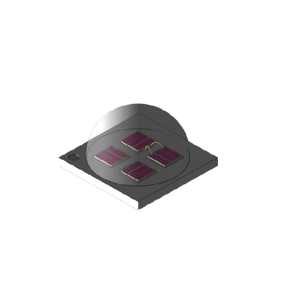
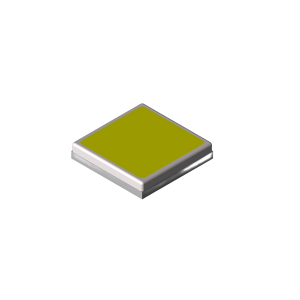
SMD modules, or Surface Mount Device modules, have become an integral part of the electronics industry due to their compact size, high reliability, and ease of assembly. This article delves into the world of SMD modules, exploring their history, types, applications, and the impact they have on modern electronics manufacturing.
Introduction to SMD Modules
SMD modules are electronic components that are mounted directly onto the surface of a printed circuit board (PCB) without the need for through-hole assembly. This method of assembly, known as surface mounting technology (SMT), allows for smaller, more efficient, and cost-effective electronic devices. SMD modules can range from simple resistors and capacitors to complex integrated circuits (ICs) and sensors.
History of SMD Modules
The concept of surface mounting technology dates back to the 1960s when Japanese companies began experimenting with it. However, it wasn’t until the late 1970s that SMT gained significant traction in the electronics industry. The introduction of smaller, more powerful ICs and the need for higher density PCBs accelerated the adoption of SMD modules. Today, SMD technology is the standard for electronic assembly, surpassing through-hole technology in terms of efficiency and cost-effectiveness.
Types of SMD Modules
SMD modules can be categorized into several types based on their function and complexity. Some of the most common types include:
- Resistors and Capacitors: These are the simplest SMD modules and are used for basic circuit functions such as limiting current and storing energy.
- Transistors and Diodes: These components are used for amplifying signals and controlling the flow of electricity.
- Integrated Circuits (ICs): ICs are complex modules that can contain thousands or even millions of transistors and other electronic components. They are used in a wide range of applications, from microcontrollers to graphics processors.
- Passive Components: These include inductors, transformers, and other components that do not generate power but are essential for the proper functioning of electronic circuits.
- Actuators and Sensors: These modules convert signals into mechanical motion or measure physical quantities such as temperature, pressure, and humidity.
Applications of SMD Modules
SMD modules are used in a vast array of electronic devices across various industries. Some of the most common applications include:
- Consumer Electronics: Smartphones, tablets, televisions, and other consumer electronics devices rely heavily on SMD modules for their compact size and functionality.
- Automotive Industry: SMD modules are used in modern vehicles for everything from entertainment systems to advanced driver-assistance systems (ADAS).
- Medical Devices: The precision and reliability of SMD modules make them ideal for use in medical equipment, such as patient monitors and imaging devices.
- Industrial Automation: SMD modules are used in industrial control systems, robotics, and other automation applications to improve efficiency and reduce downtime.
- Telecommunications: SMD modules are used in networking equipment, satellite systems, and other telecommunications infrastructure.
Advantages of SMD Modules
There are several advantages to using SMD modules in electronic devices:
- Miniaturization: SMD modules are significantly smaller than through-hole components, allowing for more compact and lighter devices.
- Cost-Effectiveness: SMT assembly is generally less expensive than through-hole assembly, thanks to automation and reduced material requirements.
- Improved Reliability: The absence of leads and the direct mounting to the PCB reduce the risk of mechanical failure and improve the overall reliability of the device.
- Higher Density: SMT allows for more components to be placed on a PCB, increasing the device’s functionality and performance.
Challenges and Future Trends
While SMD modules offer numerous benefits, there are also challenges associated with their use. Some of these challenges include:
- Complexity of Assembly: SMT requires specialized equipment and skilled labor, which can increase the complexity and cost of assembly.
- Heat Management: The close proximity of components in SMT assemblies can lead to increased heat generation, which may require additional heat management solutions.
- Quality Control: Ensuring the quality of SMT assemblies can be more challenging due to the small size and complexity of the components.
Looking to the future, several trends are shaping the development of SMD modules:
- Further Miniaturization: The push for even smaller devices will continue to drive the development of smaller and more efficient SMD modules.
- High-Speed and High-Density Interconnects: As devices become more complex, the need for faster and more reliable interconnects will increase.
- Advanced Materials: The use of new materials, such as high-frequency materials, will enable SMD modules to perform better in challenging environments.
Conclusion
SMD modules have revolutionized the electronics industry, providing a foundation for the development of smaller, more efficient, and cost-effective devices. As technology continues to advance, SMD modules will undoubtedly play a crucial role in shaping the future of electronics manufacturing. By understanding the history, types, applications, and challenges of SMD modules, the industry can continue to innovate and drive progress in the field of electronics.
 English
 Afrikaans
 Albanian
 Amharic
 Arabic
 Armenian
 Azerbaijani
 Basque
 Belarusian
 Bengali
 Bosnian
 Bulgarian
 Catalan
 Cebuano
 Chichewa
 Corsican
 Croatian
 Czech
Czech Danish
 Dutch
Dutch Esperanto
 Estonian
 Filipino
 Finnish
 French
 Frisian
 Galician
 Georgian
 German
 Greek
Greek Gujarati
 Haitian Creole
 Hausa
Hausa Hawaiian
 Hebrew
 Hindi
Hindi Hmong
Hmong Hungarian
 Icelandic
 Igbo
Igbo Indonesian
 Irish
Irish Italian
 Japanese
 Javanese
 Kannada
 Kazakh
 Khmer
Khmer Korean
 Kurdish (Kurmanji)
 Kyrgyz
 Lao
Lao Latin
Latin Latvian
 Lithuanian
 Luxembourgish
 Macedonian
 Malagasy
 Malay
Malay Malayalam
 Maltese
 Maori
Maori Marathi
 Mongolian
 Myanmar (Burmese)
 Nepali
 Norwegian
 Pashto
 Persian
 Polish
 Portuguese
 Punjabi
 Romanian
 Russian
 Samoan
 Scottish Gaelic
 Serbian
 Sesotho
 Shona
Shona Sindhi
 Sinhala
 Slovak
 Slovenian
 Somali
 Spanish
 Sudanese
 Swahili
 Swedish
 Tajik
Tajik Tamil
Tamil Telugu
 Thai
Thai Turkish
 Ukrainian
 Urdu
Urdu Uzbek
Uzbek Vietnamese
 Welsh
Welsh Xhosa
Xhosa Yiddish
 Yoruba
 Zulu
Zulu
Explore More from Queendom Lamp
Stay updated with the latest LED technology, lighting solutions, and industry insights.
Request a Quote About Queendom