







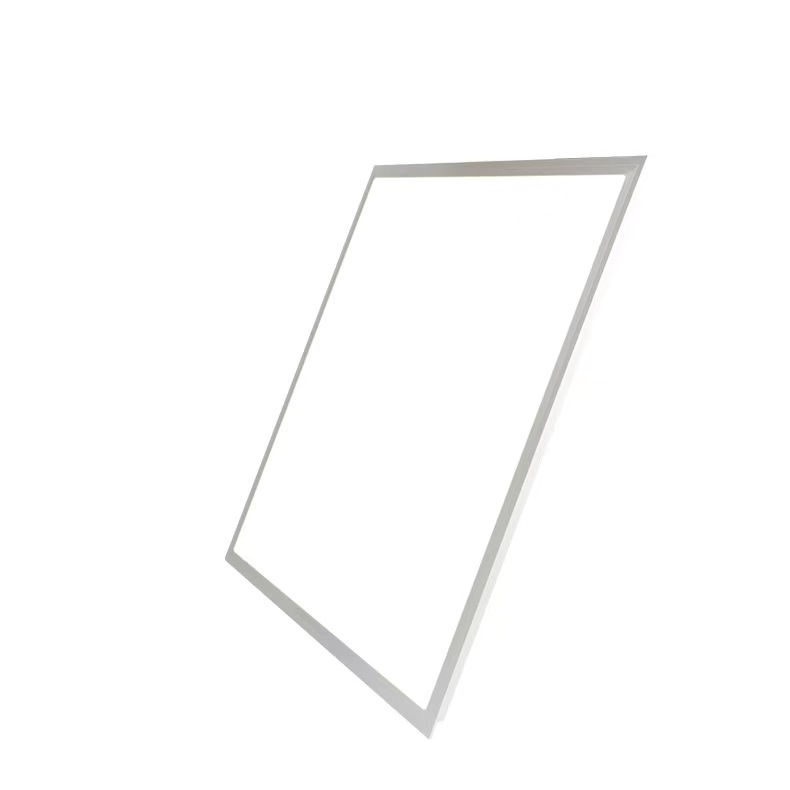
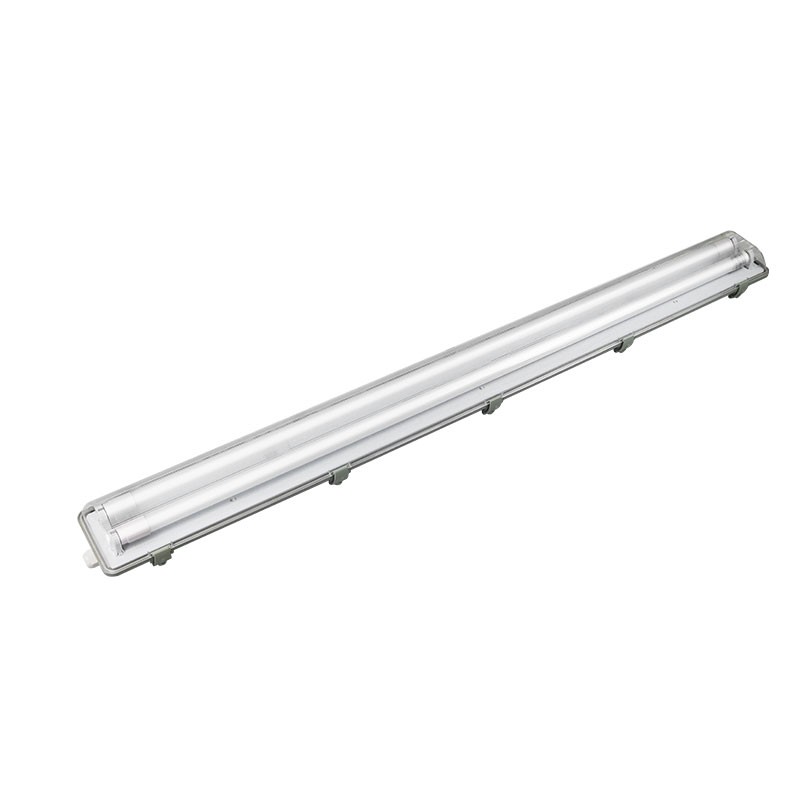
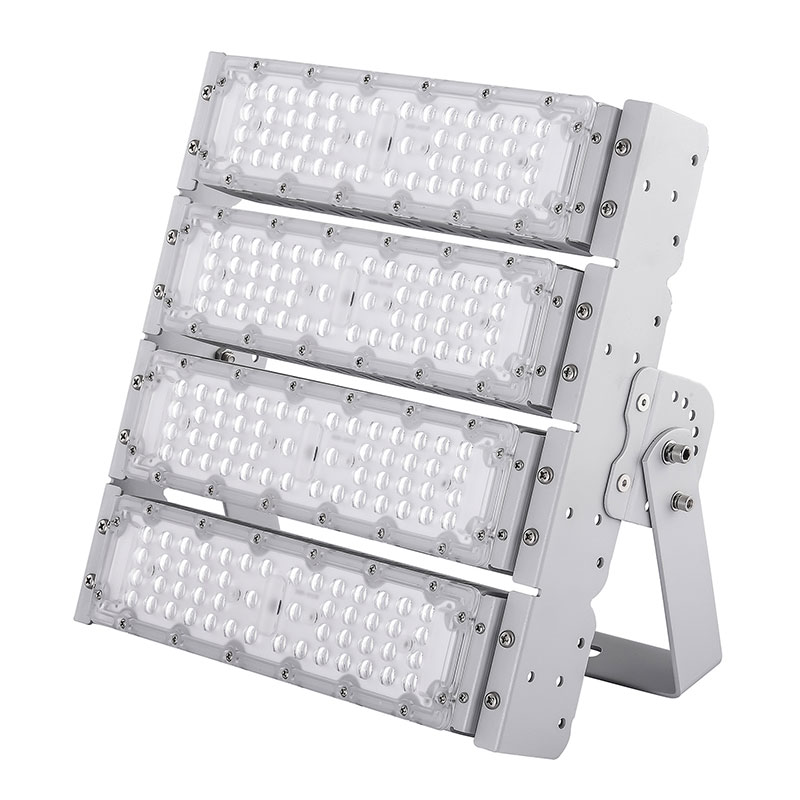


LED signage chip, as the core component of LED display screens, plays a crucial role in the quality and performance of the display. With the rapid development of the LED display industry, the demand for high-quality LED signage chips has been increasing. This article will provide an in-depth introduction to LED signage chips, covering their basic concepts, types, applications, and future trends.
Basic Concepts of LED Signage Chip
LED signage chips are the semiconductor devices that emit light when an electric current passes through them. They are the basic building blocks of LED display screens, which are widely used in advertising, information display, and other fields. The quality of the LED signage chip directly affects the brightness, color, and lifespan of the LED display screen.
Types of LED Signage Chips
1. InGaN LED Chips: InGaN (Indium Gallium Nitride) LED chips are the most commonly used in the LED signage industry. They have excellent electrical and optical properties, such as high brightness, wide color gamut, and long lifespan. InGaN LED chips are suitable for various applications, including outdoor advertising, indoor display, and digital signage.
2. AlGaInP LED Chips: AlGaInP (Aluminum Gallium Indium Phosphide) LED chips are known for their high efficiency and excellent color rendering. They are widely used in display screens that require high color accuracy, such as medical imaging and industrial control.
3. SiC LED Chips: SiC (Silicon Carbide) LED chips are a new type of LED chips that have recently gained attention. They have excellent heat resistance and can operate at higher temperatures than traditional LED chips. SiC LED chips are suitable for high-power applications, such as street lighting and industrial equipment.
Applications of LED Signage Chips
LED signage chips are used in a wide range of applications, including:
1. Outdoor Advertising: LED signage chips are the core components of outdoor advertising screens, such as billboards and digital billboards. They offer high brightness and can be seen clearly even in direct sunlight.
2. Indoor Display: Indoor display screens, such as digital signage in shopping malls, airports, and subway stations, use LED signage chips to provide clear and vibrant images.
3. Public Information Display: LED signage chips are used in public information displays, such as electronic road signs and train station displays, to provide real-time information to the public.
4. Industrial and Commercial Applications: LED signage chips are also used in industrial and commercial applications, such as factory automation, security surveillance, and smart home systems.
Key Factors Affecting LED Signage Chip Quality
The quality of LED signage chips is influenced by several factors:
1. Material Quality: The quality of the semiconductor materials used in the LED chips directly affects their performance. High-quality materials ensure better brightness, color, and lifespan.
2. Manufacturing Process: The manufacturing process of LED chips is crucial for their quality. Advanced manufacturing techniques can improve the efficiency and reliability of the chips.
3. Heat Management: Effective heat management is essential for the longevity of LED chips. Good thermal design can prevent overheating and extend the lifespan of the chips.
Future Trends of LED Signage Chips
The LED signage chip industry is continuously evolving, and several trends are shaping its future:
1. Higher Brightness and Efficiency: The demand for higher brightness and efficiency is increasing, driven by the need for better visibility and energy savings.
2. Miniaturization: The trend towards miniaturization is evident, as smaller LED chips can be used in more compact and flexible display solutions.
3. Smart Chips: The integration of smart features into LED chips, such as touch capabilities and wireless communication, is becoming more common.
4. Environmental Sustainability: As environmental concerns grow, there is a trend towards more sustainable and eco-friendly LED chips.
In conclusion, LED signage chips are a critical component in the LED display industry, and their quality directly impacts the performance of LED screens. With the continuous advancement of technology and increasing demand for high-quality displays, the LED signage chip market is expected to grow significantly in the coming years. Understanding the types, applications, and future trends of LED signage chips is essential for anyone involved in the industry.
 English
 Afrikaans
 Albanian
 Amharic
 Arabic
 Armenian
 Azerbaijani
 Basque
 Belarusian
 Bengali
 Bosnian
 Bulgarian
 Catalan
 Cebuano
 Chichewa
 Corsican
 Croatian
 Czech
Czech Danish
 Dutch
Dutch Esperanto
 Estonian
 Filipino
 Finnish
 French
 Frisian
 Galician
 Georgian
 German
 Greek
Greek Gujarati
 Haitian Creole
 Hausa
Hausa Hawaiian
 Hebrew
 Hindi
Hindi Hmong
Hmong Hungarian
 Icelandic
 Igbo
Igbo Indonesian
 Irish
Irish Italian
 Japanese
 Javanese
 Kannada
 Kazakh
 Khmer
Khmer Korean
 Kurdish (Kurmanji)
 Kyrgyz
 Lao
Lao Latin
Latin Latvian
 Lithuanian
 Luxembourgish
 Macedonian
 Malagasy
 Malay
Malay Malayalam
 Maltese
 Maori
Maori Marathi
 Mongolian
 Myanmar (Burmese)
 Nepali
 Norwegian
 Pashto
 Persian
 Polish
 Portuguese
 Punjabi
 Romanian
 Russian
 Samoan
 Scottish Gaelic
 Serbian
 Sesotho
 Shona
Shona Sindhi
 Sinhala
 Slovak
 Slovenian
 Somali
 Spanish
 Sudanese
 Swahili
 Swedish
 Tajik
Tajik Tamil
Tamil Telugu
 Thai
Thai Turkish
 Ukrainian
 Urdu
Urdu Uzbek
Uzbek Vietnamese
 Welsh
Welsh Xhosa
Xhosa Yiddish
 Yoruba
 Zulu
Zulu
Explore More from Queendom Lamp
Stay updated with the latest LED technology, lighting solutions, and industry insights.
Request a Quote About Queendom