

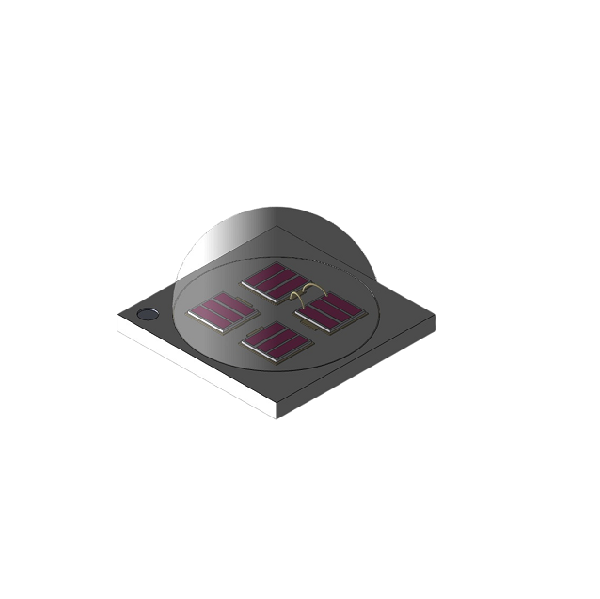
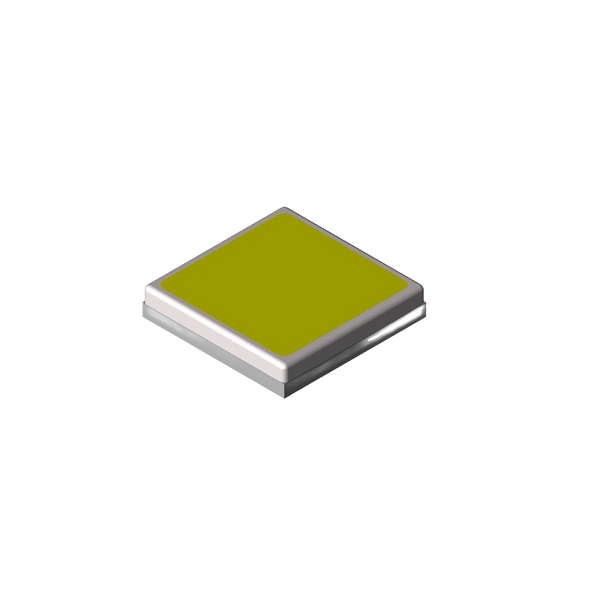
Ultraviolet (UV) LED technology has emerged as a revolutionary force in various industries, offering a compact, efficient, and environmentally friendly alternative to traditional UV sources. With their ability to emit UV light at a specific wavelength, UV LEDs have found applications in numerous fields, including healthcare, environmental monitoring, and industrial processes. This article delves into the world of UV LED technology, exploring its evolution, applications, and future prospects.
Introduction to Ultraviolet LED Technology
Ultraviolet LEDs are semiconductor devices that emit UV light when an electric current passes through them. Unlike traditional UV sources, such as mercury lamps, UV LEDs are more energy-efficient, have a longer lifespan, and are more compact. The UV spectrum ranges from 10 to 400 nanometers (nm), and UV LEDs are typically categorized into three bands: UVA (315-400 nm), UVB (280-315 nm), and UVC (100-280 nm). UVC LEDs, in particular, have gained significant attention due to their germicidal properties and potential applications in sterilization and disinfection.
Evolution of UV LED Technology
The development of UV LED technology has been a gradual process, with significant advancements made over the past few decades. Initially, UV LEDs were limited to the UVA and UVB bands, but research and development efforts have led to the commercialization of UVC LEDs. The key milestones in the evolution of UV LED technology include:
– 1990s: The first UV LEDs were developed, primarily for applications in scientific research and niche markets.
– 2000s: Improvements in material science and semiconductor technology led to higher efficiency and longer lifespans for UV LEDs.
– 2010s: The commercialization of UVC LEDs began, with applications in water purification, air purification, and surface disinfection.
– 2020s: Continued advancements in UV LED technology are expected to expand the range of applications and improve efficiency even further.
Applications of UV LED Technology
The versatility of UV LED technology has led to its adoption in various industries. Some of the most prominent applications include:
– Healthcare: UV LEDs are used for sterilization and disinfection of medical equipment, surgical instruments, and operating rooms. They are also employed in dental procedures and as a source of light for skin treatments.
– Environmental Monitoring: UV LEDs are used in air and water quality monitoring, as well as in the detection of pollutants and contaminants.
– Industrial Processes: UV LEDs are used in curing adhesives, coatings, and inks, as well as in the treatment of water and air in industrial settings.
– Consumer Products: UV LEDs are integrated into consumer products such as smartphones, laptops, and other electronic devices for various applications, including touch screen displays and biometric sensors.
– Food and Beverage Industry: UV LEDs are used for pasteurization and sterilization of food and beverages, ensuring safety and extending shelf life.
Challenges and Future Prospects
Despite the numerous advantages of UV LED technology, there are still challenges that need to be addressed. Some of the key challenges include:
– Cost: The cost of UV LEDs can be higher than traditional UV sources, which may limit their adoption in some markets.
– Efficiency: While UV LEDs are more energy-efficient than traditional sources, there is still room for improvement in terms of efficiency and cost-effectiveness.
– Wavelength Range: The current wavelength range of UV LEDs is limited, which may restrict their applications in certain fields.
Looking ahead, the future of UV LED technology appears promising. Ongoing research and development efforts are focused on addressing the challenges mentioned above. Some of the potential future prospects include:
– Improved Efficiency: Advancements in semiconductor materials and manufacturing processes are expected to lead to higher efficiency and lower costs for UV LEDs.
– Broader Wavelength Range: Efforts are being made to develop UV LEDs that can emit light across a wider range of wavelengths, expanding their applications.
– Customization: The ability to tailor UV LEDs to specific applications will further enhance their utility and market potential.
In conclusion, Ultraviolet LED technology has the potential to revolutionize various industries, offering a more efficient, environmentally friendly, and cost-effective alternative to traditional UV sources. As the technology continues to evolve and overcome challenges, its applications are likely to expand, leading to a brighter and healthier future.
 English
 Afrikaans
 Albanian
 Amharic
 Arabic
 Armenian
 Azerbaijani
 Basque
 Belarusian
 Bengali
 Bosnian
 Bulgarian
 Catalan
 Cebuano
 Chichewa
 Corsican
 Croatian
 Czech
Czech Danish
 Dutch
Dutch Esperanto
 Estonian
 Filipino
 Finnish
 French
 Frisian
 Galician
 Georgian
 German
 Greek
Greek Gujarati
 Haitian Creole
 Hausa
Hausa Hawaiian
 Hebrew
 Hindi
Hindi Hmong
Hmong Hungarian
 Icelandic
 Igbo
Igbo Indonesian
 Irish
Irish Italian
 Japanese
 Javanese
 Kannada
 Kazakh
 Khmer
Khmer Korean
 Kurdish (Kurmanji)
 Kyrgyz
 Lao
Lao Latin
Latin Latvian
 Lithuanian
 Luxembourgish
 Macedonian
 Malagasy
 Malay
Malay Malayalam
 Maltese
 Maori
Maori Marathi
 Mongolian
 Myanmar (Burmese)
 Nepali
 Norwegian
 Pashto
 Persian
 Polish
 Portuguese
 Punjabi
 Romanian
 Russian
 Samoan
 Scottish Gaelic
 Serbian
 Sesotho
 Shona
Shona Sindhi
 Sinhala
 Slovak
 Slovenian
 Somali
 Spanish
 Sudanese
 Swahili
 Swedish
 Tajik
Tajik Tamil
Tamil Telugu
 Thai
Thai Turkish
 Ukrainian
 Urdu
Urdu Uzbek
Uzbek Vietnamese
 Welsh
Welsh Xhosa
Xhosa Yiddish
 Yoruba
 Zulu
Zulu
Explore More from Queendom Lamp
Stay updated with the latest LED technology, lighting solutions, and industry insights.
Request a Quote About Queendom