



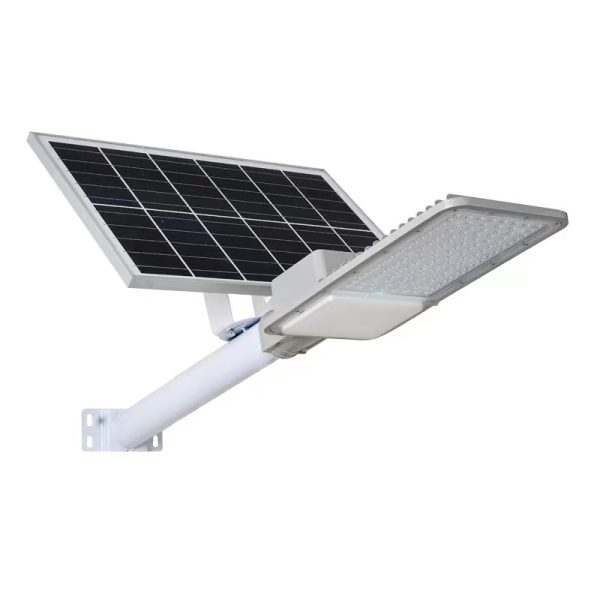
Emergency lamps have become an essential item in modern society, providing a reliable source of light during power outages, natural disasters, or emergency situations. These portable lighting devices offer a range of features and benefits that make them indispensable for both individuals and businesses. In this article, we will explore the emergency lamp industry, its evolution, key players, and future trends.
Introduction to Emergency Lamps
Emergency lamps are designed to provide immediate lighting during times of need. They come in various shapes, sizes, and power sources, including battery-powered, solar-powered, and hand-cranked models. These lamps are typically lightweight, compact, and easy to carry, making them ideal for use in homes, offices, or during outdoor activities.
Evolution of Emergency Lamps
The history of emergency lamps dates back to the early 20th century when kerosene lamps were commonly used for outdoor lighting. Over time, these lamps evolved into battery-powered models, which became more popular due to their portability and ease of use. Today, emergency lamps have advanced significantly, incorporating innovative technologies such as solar panels, rechargeable batteries, and energy-efficient LED bulbs.
Types of Emergency Lamps
There are several types of emergency lamps available in the market, each with its unique features and benefits:
1. Battery-Powered Emergency Lamps: These lamps use disposable or rechargeable batteries to power their LED bulbs. They are easy to use and provide a consistent light source for several hours.
2. Solar-Powered Emergency Lamps: These lamps harness the power of the sun to charge their batteries, making them an eco-friendly and sustainable option. They are ideal for areas with limited access to electricity.
3. Hand-Crank Emergency Lamps: These lamps generate electricity through manual cranking, making them a reliable source of light in situations where batteries or solar power are unavailable.
4. Hybrid Emergency Lamps: These lamps combine multiple power sources, such as solar panels and hand-crank mechanisms, to ensure a continuous light supply.
Key Players in the Emergency Lamp Industry
The emergency lamp industry is dominated by several well-known brands, including:
1. Black & Decker: A leading manufacturer of power tools and home improvement products, Black & Decker offers a wide range of emergency lamps, including battery-powered, solar-powered, and hand-crank models.
2. Energizer: Known for its high-quality batteries, Energizer also produces emergency lamps that utilize these batteries for extended runtime.
3. Goal Zero: Specializing in portable power solutions, Goal Zero offers a variety of emergency lamps that can be used in conjunction with solar panels and rechargeable batteries.
4. SureFire: A well-respected brand in the outdoor and tactical lighting industry, SureFire produces durable and reliable emergency lamps suitable for various applications.
Benefits of Emergency Lamps
Emergency lamps offer several benefits, including:
1. Safety: By providing a reliable source of light during power outages or emergencies, emergency lamps help prevent accidents and injuries.
2. Preparedness: Having an emergency lamp on hand ensures that you are prepared for unexpected situations, such as natural disasters or power outages.
3. Eco-friendliness: Solar-powered and hand-crank emergency lamps are eco-friendly options that reduce the need for disposable batteries and minimize environmental impact.
4. Versatility: Emergency lamps can be used in various settings, including homes, offices, outdoor activities, and emergency response operations.
Future Trends in the Emergency Lamp Industry
The emergency lamp industry is expected to continue evolving, with several trends on the horizon:
1. Increased Integration of Smart Technology: Emergency lamps may soon incorporate smart features, such as Bluetooth connectivity, to provide real-time updates on power outages and battery levels.
2. Enhanced Durability: As the demand for more reliable emergency lighting solutions grows, manufacturers are focusing on creating durable and long-lasting lamps.
3. Expansion of Power Sources: In addition to solar and hand-crank mechanisms, emergency lamps may soon utilize alternative power sources, such as kinetic energy or fuel cells.
4. Customization and Personalization: Emergency lamps may offer customizable features, such as adjustable brightness levels and color-changing modes, to cater to individual preferences.
In conclusion, emergency lamps have become an essential tool for modern society, providing a reliable source of light during times of need. As the industry continues to evolve, we can expect to see innovative new products and technologies that enhance safety, convenience, and sustainability.
 English
 Afrikaans
 Albanian
 Amharic
 Arabic
 Armenian
 Azerbaijani
 Basque
 Belarusian
 Bengali
 Bosnian
 Bulgarian
 Catalan
 Cebuano
 Chichewa
 Corsican
 Croatian
 Czech
Czech Danish
 Dutch
Dutch Esperanto
 Estonian
 Filipino
 Finnish
 French
 Frisian
 Galician
 Georgian
 German
 Greek
Greek Gujarati
 Haitian Creole
 Hausa
Hausa Hawaiian
 Hebrew
 Hindi
Hindi Hmong
Hmong Hungarian
 Icelandic
 Igbo
Igbo Indonesian
 Irish
Irish Italian
 Japanese
 Javanese
 Kannada
 Kazakh
 Khmer
Khmer Korean
 Kurdish (Kurmanji)
 Kyrgyz
 Lao
Lao Latin
Latin Latvian
 Lithuanian
 Luxembourgish
 Macedonian
 Malagasy
 Malay
Malay Malayalam
 Maltese
 Maori
Maori Marathi
 Mongolian
 Myanmar (Burmese)
 Nepali
 Norwegian
 Pashto
 Persian
 Polish
 Portuguese
 Punjabi
 Romanian
 Russian
 Samoan
 Scottish Gaelic
 Serbian
 Sesotho
 Shona
Shona Sindhi
 Sinhala
 Slovak
 Slovenian
 Somali
 Spanish
 Sudanese
 Swahili
 Swedish
 Tajik
Tajik Tamil
Tamil Telugu
 Thai
Thai Turkish
 Ukrainian
 Urdu
Urdu Uzbek
Uzbek Vietnamese
 Welsh
Welsh Xhosa
Xhosa Yiddish
 Yoruba
 Zulu
Zulu
Explore More from Queendom Lamp
Stay updated with the latest LED technology, lighting solutions, and industry insights.
Request a Quote About Queendom