

Recessed spot lights, also known as can lights or pot lights, have become an integral part of modern interior design. These versatile lighting fixtures are designed to be installed in ceilings, providing a sleek and sophisticated look while illuminating a space effectively. In this article, we will delve into the world of recessed spot lights, exploring their history, types, benefits, installation process, and maintenance tips.
History of Recessed Spot Lights
Recessed spot lights have a rich history that dates back to the early 20th century. The concept of installing lights in the ceiling was first introduced in the 1930s, when they were used in commercial buildings. However, it wasn’t until the 1970s that recessed spot lights became popular in residential settings. This was primarily due to advancements in technology, which allowed for more energy-efficient and durable lighting fixtures.
Types of Recessed Spot Lights
There are several types of recessed spot lights available in the market, each with its unique features and benefits. Here are some of the most common types:
1. IC-rated Recessed Spot Lights: These lights are designed for direct contact with insulation, making them ideal for use in attics and other areas where insulation is present.
2. Non-IC-rated Recessed Spot Lights: These lights are not suitable for direct contact with insulation and are commonly used in drywall ceilings.
3. Low Voltage Recessed Spot Lights: These lights operate at a lower voltage, which reduces energy consumption and provides a warmer, more inviting ambiance.
4. High-Intensity Discharge (HID) Recessed Spot Lights: These lights use HID bulbs, which are known for their exceptional brightness and longevity.
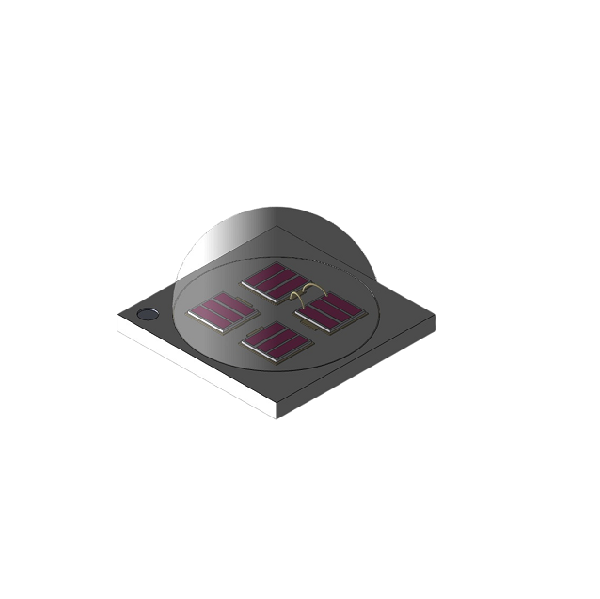
5. LED Recessed Spot Lights: LED recessed spot lights are the most energy-efficient option, offering a long lifespan and low heat output.
Benefits of Recessed Spot Lights
Recessed spot lights offer numerous benefits, making them a popular choice for homeowners and designers alike:
1. Sleek and Modern Look: Recessed spot lights provide a clean and unobtrusive lighting solution, which enhances the overall aesthetic of a space.
2. Energy Efficiency: LED recessed spot lights, in particular, are highly energy-efficient, reducing energy consumption and lowering utility bills.
3. Versatility: Recessed spot lights can be used in various settings, including living rooms, kitchens, bathrooms, and outdoor spaces.
4. Customization: These lights come in various sizes, shapes, and beam spreads, allowing for customization to suit specific lighting needs.
5. Safety: Recessed spot lights are designed to be installed in ceilings, which eliminates the risk of accidents associated with hanging lights.
Installation Process
Installing recessed spot lights is a relatively straightforward process, but it requires some basic knowledge of electrical work. Here’s a step-by-step guide to help you through the installation process:
1. Turn Off the Power: Before beginning the installation, make sure to turn off the power to the circuit you will be working on.
2. Cut a Hole in the Ceiling: Use a drywall saw to cut a hole in the ceiling where the recessed spot light will be installed. The hole should be slightly larger than the diameter of the light fixture.
3. Install the Electrical Box: Insert the electrical box into the hole and secure it in place using screws.
4. Connect the Wiring: Connect the wiring from the electrical box to the recessed spot light using appropriate connectors and wire nuts.
5. Install the Light Fixture: Place the recessed spot light into the electrical box and secure it in place using the mounting bracket.
6. Test the Light: Turn the power back on and test the light to ensure it is functioning correctly.
Maintenance Tips
Maintaining recessed spot lights is relatively simple, but there are a few tips to keep in mind:
1. Regularly Clean the Fixtures: Dust and debris can accumulate on the lens of the light fixture, reducing its brightness. Use a soft cloth to wipe down the fixtures regularly.
2. Check for Signs of Damage: Inspect the fixtures for any signs of damage, such as cracked lenses or loose wiring. If you notice any issues, contact a professional for repairs.
3. Replace Bulbs as Needed: Over time, bulbs may burn out. Replace them with the appropriate type and wattage to ensure optimal performance.
4. Avoid Overloading the Circuit: Ensure that the circuit is not overloaded with too many fixtures, as this can lead to overheating and potential damage.
In conclusion, recessed spot lights are a versatile and energy-efficient lighting solution that can enhance the aesthetic and functionality of any space. By understanding their history, types, benefits, installation process, and maintenance tips, you can make informed decisions when selecting and installing these lighting fixtures in your home or business.
 English
 Afrikaans
 Albanian
 Amharic
 Arabic
 Armenian
 Azerbaijani
 Basque
 Belarusian
 Bengali
 Bosnian
 Bulgarian
 Catalan
 Cebuano
 Chichewa
 Corsican
 Croatian
 Czech
Czech Danish
 Dutch
Dutch Esperanto
 Estonian
 Filipino
 Finnish
 French
 Frisian
 Galician
 Georgian
 German
 Greek
Greek Gujarati
 Haitian Creole
 Hausa
Hausa Hawaiian
 Hebrew
 Hindi
Hindi Hmong
Hmong Hungarian
 Icelandic
 Igbo
Igbo Indonesian
 Irish
Irish Italian
 Japanese
 Javanese
 Kannada
 Kazakh
 Khmer
Khmer Korean
 Kurdish (Kurmanji)
 Kyrgyz
 Lao
Lao Latin
Latin Latvian
 Lithuanian
 Luxembourgish
 Macedonian
 Malagasy
 Malay
Malay Malayalam
 Maltese
 Maori
Maori Marathi
 Mongolian
 Myanmar (Burmese)
 Nepali
 Norwegian
 Pashto
 Persian
 Polish
 Portuguese
 Punjabi
 Romanian
 Russian
 Samoan
 Scottish Gaelic
 Serbian
 Sesotho
 Shona
Shona Sindhi
 Sinhala
 Slovak
 Slovenian
 Somali
 Spanish
 Sudanese
 Swahili
 Swedish
 Tajik
Tajik Tamil
Tamil Telugu
 Thai
Thai Turkish
 Ukrainian
 Urdu
Urdu Uzbek
Uzbek Vietnamese
 Welsh
Welsh Xhosa
Xhosa Yiddish
 Yoruba
 Zulu
Zulu
Explore More from Queendom Lamp
Stay updated with the latest LED technology, lighting solutions, and industry insights.
Request a Quote About Queendom