




Introducing the cutting-edge technology of 3030 Automotive LED, a revolutionary advancement in the automotive lighting industry. This article delves into the details of 3030 Automotive LED, exploring its features, benefits, and its impact on the modern vehicle design. With the increasing demand for energy-efficient and high-performance lighting solutions, 3030 Automotive LED has emerged as a game-changer in the automotive sector.
Understanding 3030 Automotive LED
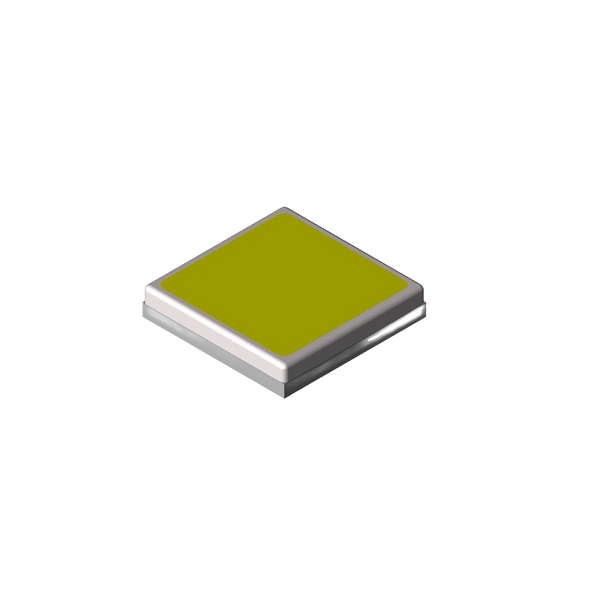
The term “3030 Automotive LED” refers to a specific type of light-emitting diode (LED) that is widely used in the automotive industry. These LEDs are characterized by their 3mm x 3mm package size, which is why they are often referred to as 3030 LEDs. In the context of automotive lighting, these LEDs are designed to provide superior brightness, color consistency, and energy efficiency compared to traditional lighting technologies.
Design and Structure
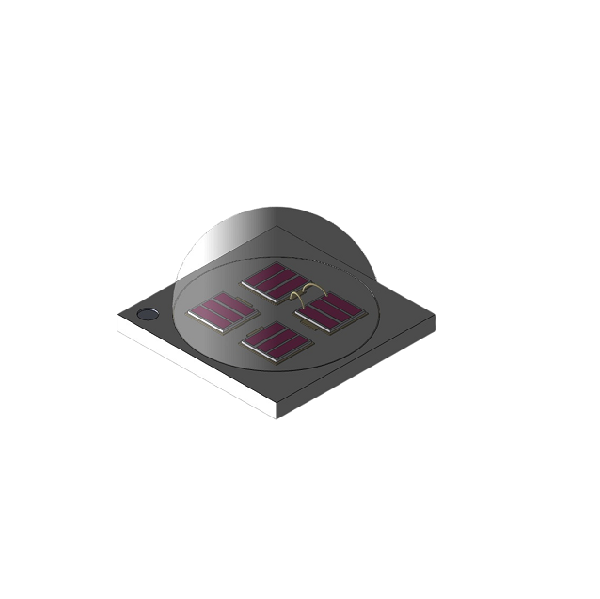
The 3030 Automotive LED is constructed with a high-quality LED die, which is mounted on a ceramic or plastic substrate. This substrate is designed to dissipate heat effectively, ensuring the longevity and reliability of the LED. The LED package is then encapsulated with a clear or colored epoxy to protect the die and enhance the light output.
Advantages of 3030 Automotive LED
Several key advantages make 3030 Automotive LED a preferred choice for automotive lighting applications:
– Brightness and Efficiency: 3030 Automotive LEDs offer high brightness levels while consuming significantly less power than traditional halogen or incandescent bulbs. This makes them ideal for enhancing visibility and reducing energy consumption.
– Color Consistency: These LEDs provide consistent color output, ensuring that the lighting remains vibrant and true to color over time. This is crucial for automotive applications where color accuracy is essential for safety and aesthetics.
– Longevity: With a lifespan of up to 50,000 hours, 3030 Automotive LEDs are designed to last significantly longer than traditional lighting solutions, reducing maintenance costs and improving vehicle reliability.
– Heat Dissipation: The ceramic or plastic substrate used in 3030 Automotive LEDs allows for efficient heat dissipation, preventing overheating and extending the lifespan of the LED.
Applications in Automotive Lighting
3030 Automotive LEDs are utilized in various lighting applications within the automotive industry:
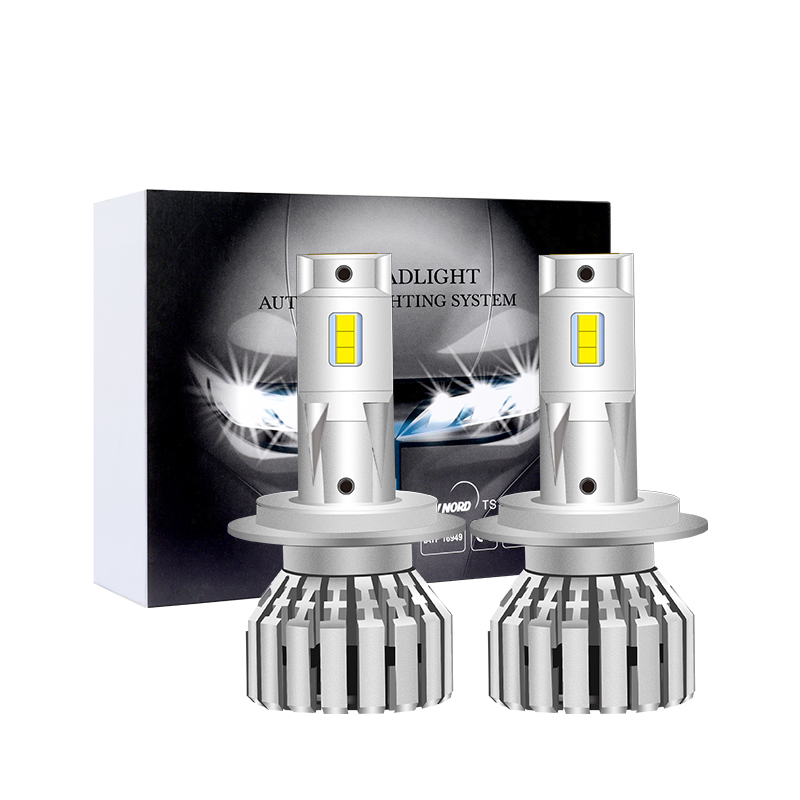
– Headlights: These LEDs are commonly used in headlight assemblies, providing a brighter and more focused beam pattern. They can also be used for adaptive lighting systems that adjust the beam pattern based on driving conditions.
– Taillights and Turn Signals: 3030 Automotive LEDs are perfect for taillights and turn signals due to their high brightness and energy efficiency. They can be used to create a distinctive and eye-catching design while reducing power consumption.
– Interior Lighting: These LEDs are also used for interior lighting, including map lights, dome lights, and ambient lighting. Their compact size and low heat output make them ideal for creating a luxurious and functional cabin environment.
– Indicator Lamps: 3030 Automotive LEDs are used in indicator lamps, such as hazard lights and brake lights, due to their quick response time and consistent color output.
Challenges and Solutions
While 3030 Automotive LEDs offer numerous benefits, there are challenges associated with their implementation:
– Heat Management: Ensuring effective heat dissipation is crucial for the longevity of 3030 Automotive LEDs. This can be achieved through the use of thermal management materials and designs that promote heat conduction and dissipation.
– Color Rendering: Achieving accurate color rendering can be challenging, especially in complex lighting environments. Advanced color management techniques and quality control processes are essential to ensure consistent color output.
– Cost: The initial cost of 3030 Automotive LEDs may be higher than traditional lighting solutions. However, the long-term benefits, including reduced maintenance and energy costs, can offset this initial investment.
Future Trends and Innovations
The automotive lighting industry is continuously evolving, and several trends and innovations are shaping the future of 3030 Automotive LED technology:
– Smart Lighting: The integration of smart lighting systems that adapt to driving conditions and vehicle dynamics is becoming increasingly popular. These systems can optimize lighting performance for safety, comfort, and aesthetics.
– Customization: The ability to customize lighting colors and patterns is gaining traction, allowing vehicle manufacturers to create unique and personalized designs.
– Connectivity: The integration of lighting with vehicle connectivity systems is expected to become more prevalent, enabling advanced features such as adaptive lighting based on traffic and weather conditions.
Conclusion
3030 Automotive LED technology has revolutionized the automotive lighting industry, offering numerous benefits that enhance vehicle performance, safety, and aesthetics. As the industry continues to evolve, 3030 Automotive LEDs are poised to play a crucial role in shaping the future of automotive lighting. By addressing challenges and embracing innovation, the automotive sector can look forward to a brighter and more efficient future with 3030 Automotive LED technology.
 English
 Afrikaans
 Albanian
 Amharic
 Arabic
 Armenian
 Azerbaijani
 Basque
 Belarusian
 Bengali
 Bosnian
 Bulgarian
 Catalan
 Cebuano
 Chichewa
 Corsican
 Croatian
 Czech
Czech Danish
 Dutch
Dutch Esperanto
 Estonian
 Filipino
 Finnish
 French
 Frisian
 Galician
 Georgian
 German
 Greek
Greek Gujarati
 Haitian Creole
 Hausa
Hausa Hawaiian
 Hebrew
 Hindi
Hindi Hmong
Hmong Hungarian
 Icelandic
 Igbo
Igbo Indonesian
 Irish
Irish Italian
 Japanese
 Javanese
 Kannada
 Kazakh
 Khmer
Khmer Korean
 Kurdish (Kurmanji)
 Kyrgyz
 Lao
Lao Latin
Latin Latvian
 Lithuanian
 Luxembourgish
 Macedonian
 Malagasy
 Malay
Malay Malayalam
 Maltese
 Maori
Maori Marathi
 Mongolian
 Myanmar (Burmese)
 Nepali
 Norwegian
 Pashto
 Persian
 Polish
 Portuguese
 Punjabi
 Romanian
 Russian
 Samoan
 Scottish Gaelic
 Serbian
 Sesotho
 Shona
Shona Sindhi
 Sinhala
 Slovak
 Slovenian
 Somali
 Spanish
 Sudanese
 Swahili
 Swedish
 Tajik
Tajik Tamil
Tamil Telugu
 Thai
Thai Turkish
 Ukrainian
 Urdu
Urdu Uzbek
Uzbek Vietnamese
 Welsh
Welsh Xhosa
Xhosa Yiddish
 Yoruba
 Zulu
Zulu