










Street Lights have been an integral part of urban landscapes for centuries, serving not only as a source of illumination but also as a symbol of community and safety. As technology advances, street lights have evolved from simple, gas-lit lamps to sophisticated, energy-efficient lighting systems. This article delves into the history, technology, and future of street lighting, highlighting its importance in modern society.
History of Street Lights
The concept of street lighting dates back to ancient civilizations. In ancient Rome, for instance, lanterns were hung along the streets to light up the night. However, it was not until the 19th century that street lighting became more widespread. The invention of the gas lamp in the early 19th century marked a significant milestone in the history of street lighting. These lamps were fueled by natural gas and provided a much brighter and more consistent light than the previous oil lamps.
As the 19th century progressed, cities around the world began to install gas street lamps. London, in particular, was at the forefront of this movement, with the first gas street lamps being installed in the city in 1820. The gas lamp era continued until the early 20th century when the invention of the electric light bulb and the development of the electrical grid made it possible to produce electricity on a large scale. This led to the widespread adoption of electric street lights, which have become the standard ever since.
Technological Advancements in Street Lighting
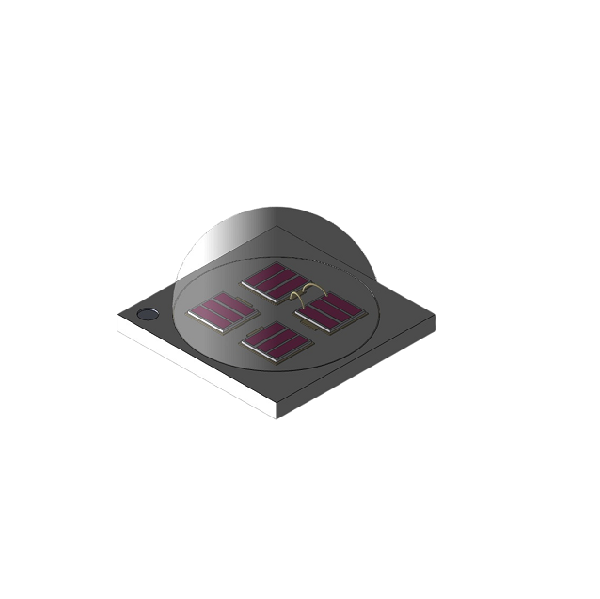
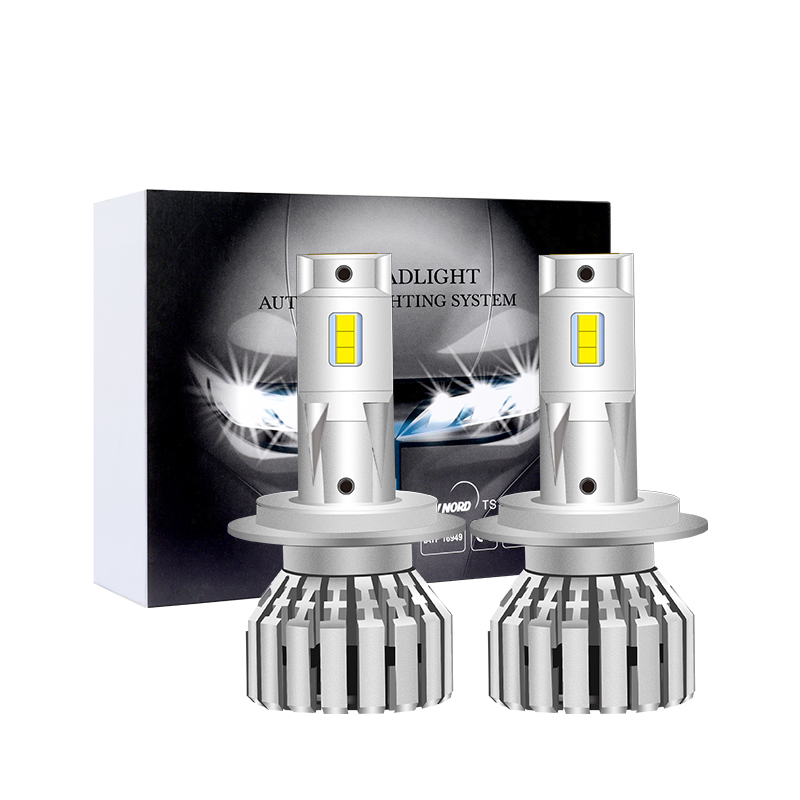
Over the years, street lighting technology has undergone significant advancements. One of the most notable developments has been the shift from traditional incandescent and fluorescent bulbs to more energy-efficient LED (Light Emitting Diode) lighting. LED street lights offer several advantages over traditional lighting systems, including longer lifespan, lower energy consumption, and better color rendering.
Another technological innovation is the integration of smart features into street lighting systems. Smart street lights are equipped with sensors and communication capabilities, allowing them to adjust their brightness based on the time of day, weather conditions, and the presence of pedestrians and vehicles. This not only saves energy but also improves the overall lighting experience for users.
In addition to energy efficiency and smart features, modern street lighting systems also incorporate advanced lighting control systems. These systems allow for centralized management of street lights, enabling operators to monitor and control the lighting remotely. This not only simplifies maintenance but also provides greater flexibility in managing lighting levels across different areas of a city.
Environmental and Economic Benefits
The adoption of energy-efficient street lighting has significant environmental and economic benefits. By reducing energy consumption, street lights contribute to lower greenhouse gas emissions, helping to combat climate change. Additionally, the lower energy costs associated with LED lighting can lead to substantial savings for cities and local governments.
Moreover, the longer lifespan of LED street lights means fewer lamps need to be replaced, reducing waste and the need for frequent maintenance. This also translates into cost savings for cities, as they spend less on the replacement and maintenance of street lighting infrastructure.
Challenges and Future Trends
Despite the many benefits of modern street lighting systems, there are still challenges to be addressed. One of the main challenges is the transition from traditional lighting systems to more energy-efficient alternatives. This transition requires significant investment and careful planning to ensure that the new lighting systems meet the needs of the community.
In the future, street lighting is expected to become even more integrated with other smart city technologies. For instance, street lights could be equipped with environmental sensors to monitor air quality, noise levels, and even the presence of wildlife. This information could then be used to improve urban planning and public health.
Additionally, advancements in wireless communication and data analytics are likely to further enhance the capabilities of street lighting systems. As a result, we can expect to see more dynamic and responsive lighting solutions that adapt to the needs of the community in real-time.
Conclusion
Street lights have come a long way since the days of gas lamps. Today, they are not just a source of light but also a symbol of technological progress and environmental responsibility. As cities continue to grow and evolve, the role of street lighting will become increasingly important. By embracing innovation and sustainable practices, the future of street lighting holds great promise for creating safer, more efficient, and more sustainable urban environments.
 English
 Afrikaans
 Albanian
 Amharic
 Arabic
 Armenian
 Azerbaijani
 Basque
 Belarusian
 Bengali
 Bosnian
 Bulgarian
 Catalan
 Cebuano
 Chichewa
 Corsican
 Croatian
 Czech
Czech Danish
 Dutch
Dutch Esperanto
 Estonian
 Filipino
 Finnish
 French
 Frisian
 Galician
 Georgian
 German
 Greek
Greek Gujarati
 Haitian Creole
 Hausa
Hausa Hawaiian
 Hebrew
 Hindi
Hindi Hmong
Hmong Hungarian
 Icelandic
 Igbo
Igbo Indonesian
 Irish
Irish Italian
 Japanese
 Javanese
 Kannada
 Kazakh
 Khmer
Khmer Korean
 Kurdish (Kurmanji)
 Kyrgyz
 Lao
Lao Latin
Latin Latvian
 Lithuanian
 Luxembourgish
 Macedonian
 Malagasy
 Malay
Malay Malayalam
 Maltese
 Maori
Maori Marathi
 Mongolian
 Myanmar (Burmese)
 Nepali
 Norwegian
 Pashto
 Persian
 Polish
 Portuguese
 Punjabi
 Romanian
 Russian
 Samoan
 Scottish Gaelic
 Serbian
 Sesotho
 Shona
Shona Sindhi
 Sinhala
 Slovak
 Slovenian
 Somali
 Spanish
 Sudanese
 Swahili
 Swedish
 Tajik
Tajik Tamil
Tamil Telugu
 Thai
Thai Turkish
 Ukrainian
 Urdu
Urdu Uzbek
Uzbek Vietnamese
 Welsh
Welsh Xhosa
Xhosa Yiddish
 Yoruba
 Zulu
Zulu
Explore More from Queendom Lamp
Stay updated with the latest LED technology, lighting solutions, and industry insights.
Request a Quote About Queendom