







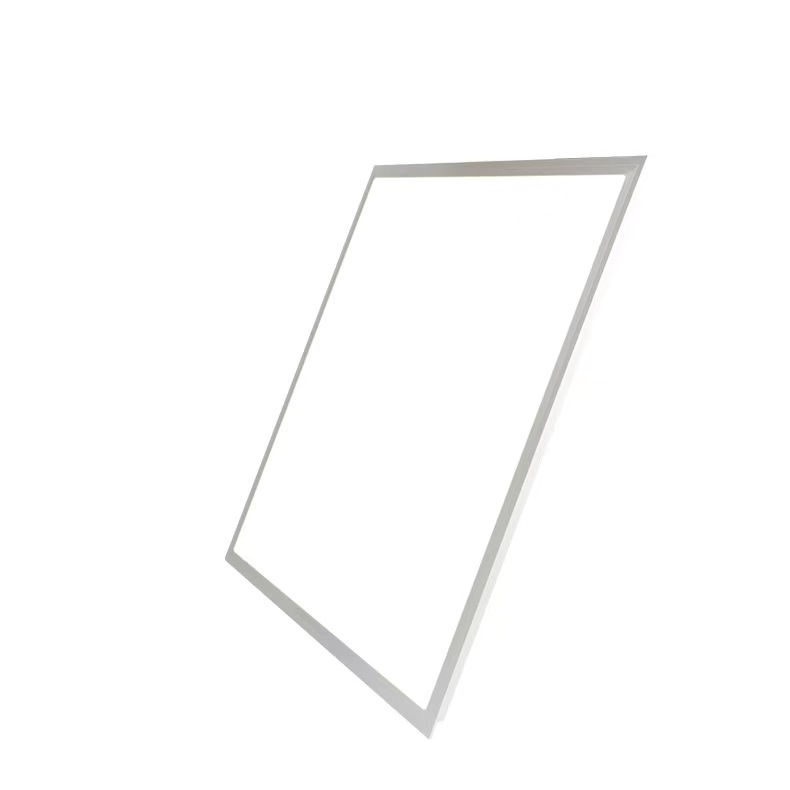
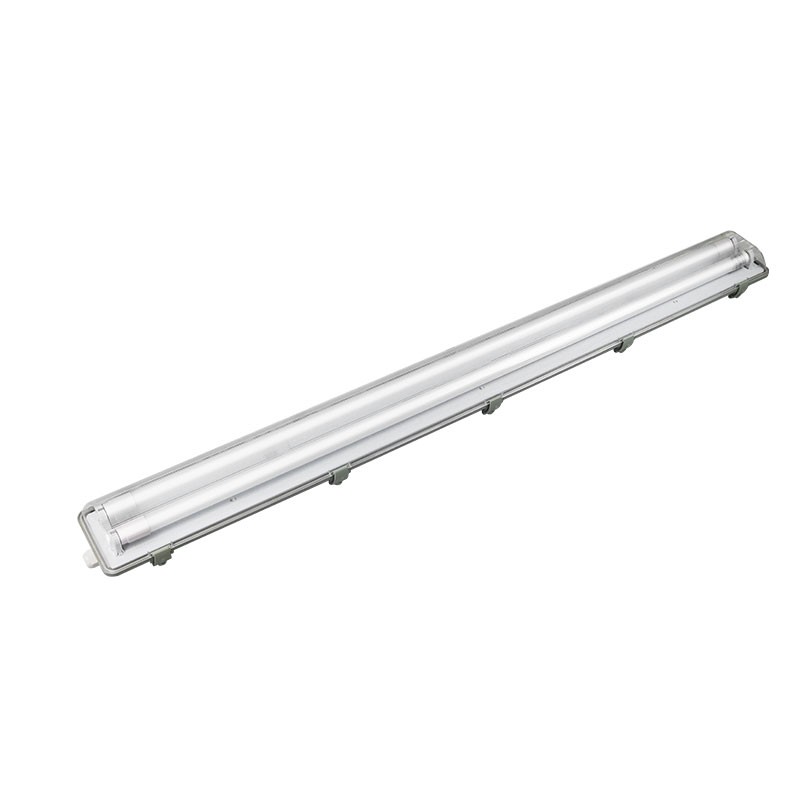
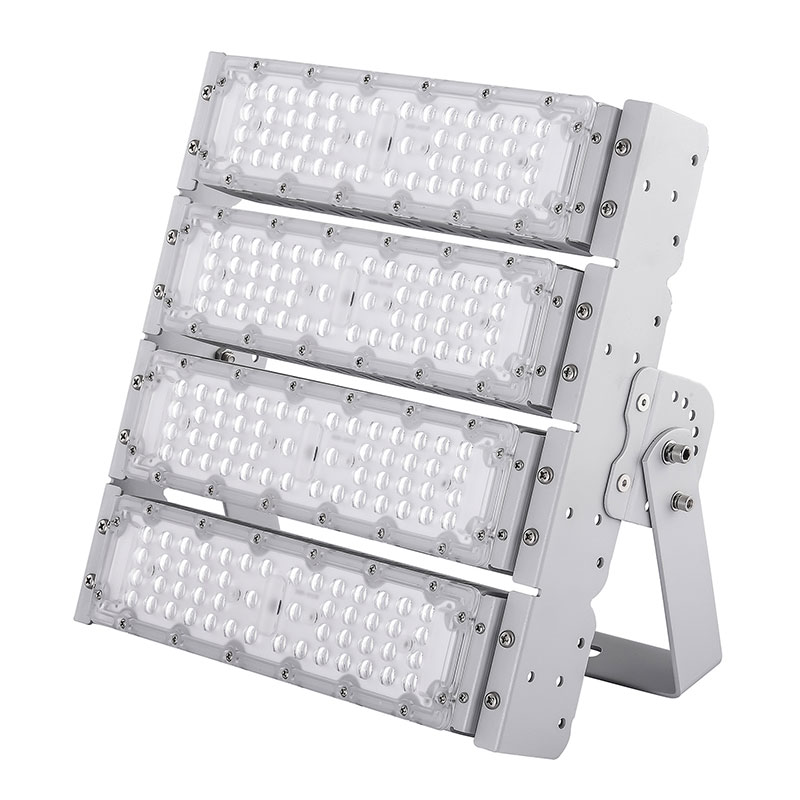


LED panel lights have become increasingly popular in recent years due to their energy efficiency, long lifespan, and versatile design. This article will provide an in-depth introduction to LED panel lights, covering their technology, benefits, applications, and future trends.
Introduction to LED Panel Lights
LED panel lights are a type of lighting fixture that utilizes LED (Light Emitting Diode) technology to produce light. They are commonly used in residential, commercial, and industrial settings for their energy-saving and environmentally friendly features. LED panel lights consist of a panel made of LED chips, which are mounted on a diffuser to scatter the light evenly.
Technology of LED Panel Lights
The technology behind LED panel lights involves the use of semiconductor materials, such as gallium nitride (GaN) and silicon carbide (SiC), to create LED chips. These chips emit light when an electric current passes through them. The light is then diffused through a transparent or translucent material, such as polycarbonate or acrylic, to create a soft, uniform light distribution.
LED panel lights come in various sizes, shapes, and color temperatures, allowing them to fit into different design requirements. They can be mounted on walls, ceilings, or suspended from the ceiling, providing flexibility in installation.
Benefits of LED Panel Lights
There are several benefits of using LED panel lights:
1. Energy Efficiency: LED panel lights consume significantly less energy than traditional lighting sources, such as incandescent and fluorescent bulbs. This not only reduces energy costs but also contributes to a lower carbon footprint.
2. Long Lifespan: LED panel lights have a longer lifespan compared to other lighting technologies. They can last up to 50,000 hours or more, which means less frequent replacement and maintenance.
3. Environmental Friendly: LED panel lights are free from harmful substances like mercury, making them a more environmentally friendly option. They are also recyclable, further reducing their environmental impact.
4. Instant On: LED panel lights provide instant illumination without the warm-up time associated with other lighting technologies. This makes them ideal for areas where quick lighting is required.
5. Dimmable: Many LED panel lights are dimmable, allowing users to adjust the brightness according to their needs. This feature is particularly useful in residential settings, where different lighting levels can create a cozy atmosphere.
Applications of LED Panel Lights
LED panel lights have a wide range of applications across various industries:
1. Residential: LED panel lights are commonly used in homes for general lighting, task lighting, and decorative purposes. They can be installed in living rooms, kitchens, bedrooms, and bathrooms.
2. Commercial: LED panel lights are widely used in office buildings, retail stores, and restaurants. They provide energy-efficient lighting solutions that reduce operating costs and improve the overall aesthetic of the space.
3. Industrial: LED panel lights are suitable for industrial applications, such as manufacturing plants, warehouses, and outdoor lighting. They offer high-performance and durability, making them ideal for harsh environments.
4. Hospitality: LED panel lights are used in hotels, hospitals, and educational institutions to create a comfortable and inviting atmosphere while reducing energy consumption.
Future Trends in LED Panel Lights
The LED panel light industry is constantly evolving, with several emerging trends:
1. Smart Lighting: With the integration of IoT (Internet of Things) technology, LED panel lights are becoming smarter. Smart lighting systems can be controlled remotely through smartphones or voice assistants, allowing users to adjust the lighting according to their preferences and needs.
2. High Lumen Output: As LED technology advances, LED panel lights with higher lumen output are being developed. This enables them to replace larger, more energy-consuming lighting fixtures, further enhancing energy efficiency.
3. Customization: LED panel lights are becoming more customizable, with options for different color temperatures, beam angles, and finishes. This allows users to create unique lighting solutions that suit their specific requirements.
4. Health Benefits: LED panel lights are being designed to provide health benefits, such as reducing eye strain and improving sleep quality. This is achieved by using specific color temperatures and light distribution patterns.
In conclusion, LED panel lights have become a popular choice for their energy efficiency, long lifespan, and versatile design. As technology continues to advance, LED panel lights will play an increasingly significant role in the lighting industry, offering innovative solutions for various applications.
 English
 Afrikaans
 Albanian
 Amharic
 Arabic
 Armenian
 Azerbaijani
 Basque
 Belarusian
 Bengali
 Bosnian
 Bulgarian
 Catalan
 Cebuano
 Chichewa
 Corsican
 Croatian
 Czech
Czech Danish
 Dutch
Dutch Esperanto
 Estonian
 Filipino
 Finnish
 French
 Frisian
 Galician
 Georgian
 German
 Greek
Greek Gujarati
 Haitian Creole
 Hausa
Hausa Hawaiian
 Hebrew
 Hindi
Hindi Hmong
Hmong Hungarian
 Icelandic
 Igbo
Igbo Indonesian
 Irish
Irish Italian
 Japanese
 Javanese
 Kannada
 Kazakh
 Khmer
Khmer Korean
 Kurdish (Kurmanji)
 Kyrgyz
 Lao
Lao Latin
Latin Latvian
 Lithuanian
 Luxembourgish
 Macedonian
 Malagasy
 Malay
Malay Malayalam
 Maltese
 Maori
Maori Marathi
 Mongolian
 Myanmar (Burmese)
 Nepali
 Norwegian
 Pashto
 Persian
 Polish
 Portuguese
 Punjabi
 Romanian
 Russian
 Samoan
 Scottish Gaelic
 Serbian
 Sesotho
 Shona
Shona Sindhi
 Sinhala
 Slovak
 Slovenian
 Somali
 Spanish
 Sudanese
 Swahili
 Swedish
 Tajik
Tajik Tamil
Tamil Telugu
 Thai
Thai Turkish
 Ukrainian
 Urdu
Urdu Uzbek
Uzbek Vietnamese
 Welsh
Welsh Xhosa
Xhosa Yiddish
 Yoruba
 Zulu
Zulu
Explore More from Queendom Lamp
Stay updated with the latest LED technology, lighting solutions, and industry insights.
Request a Quote About Queendom