
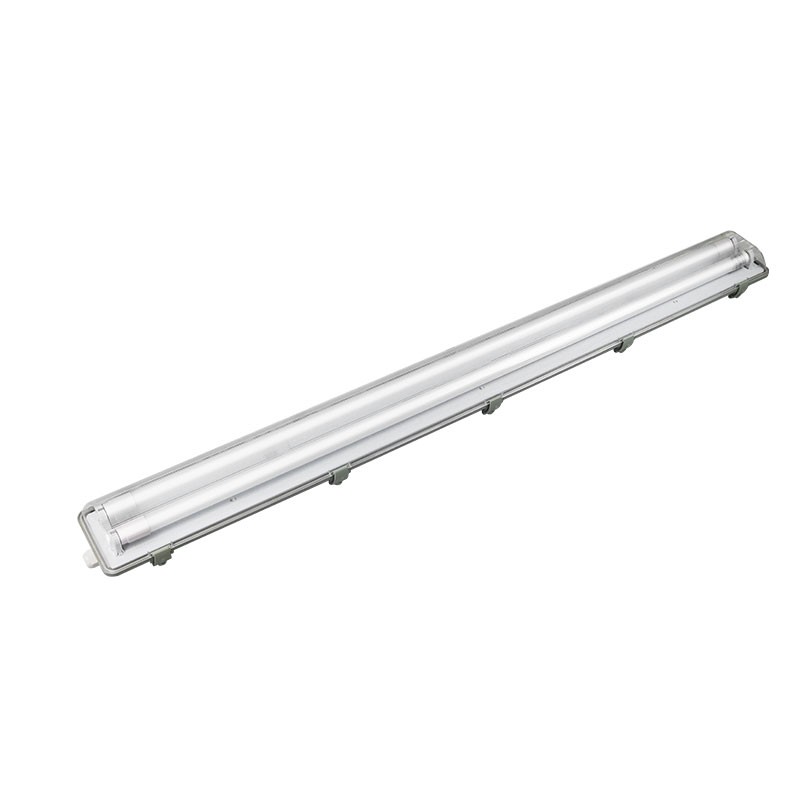
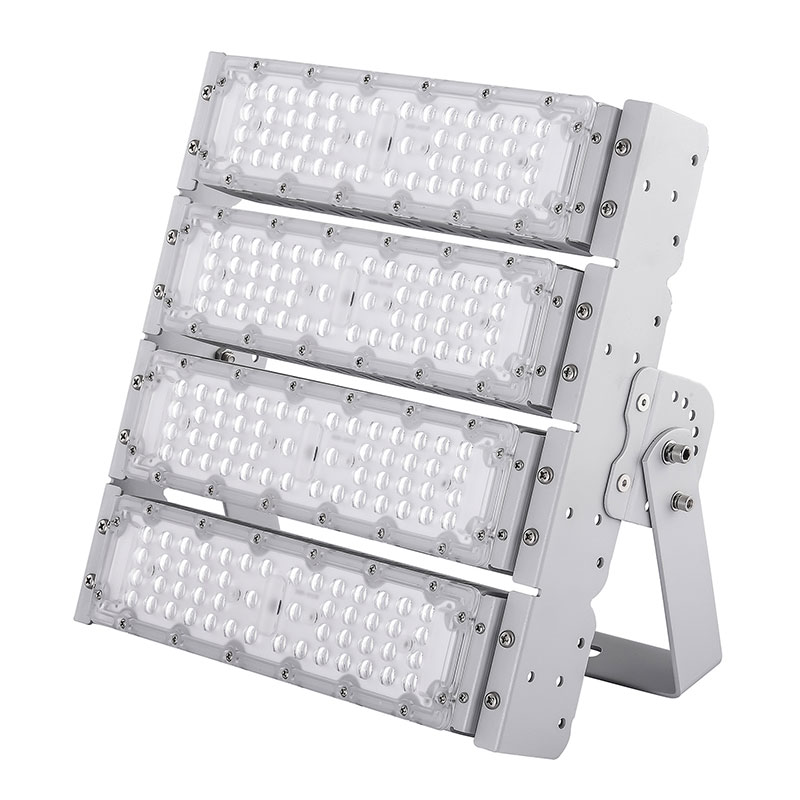
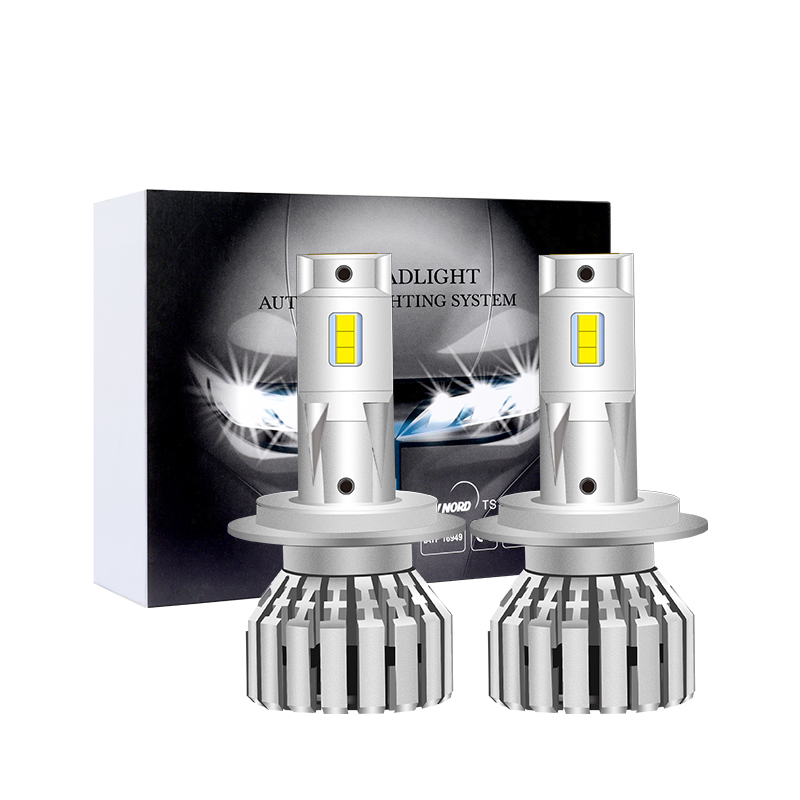
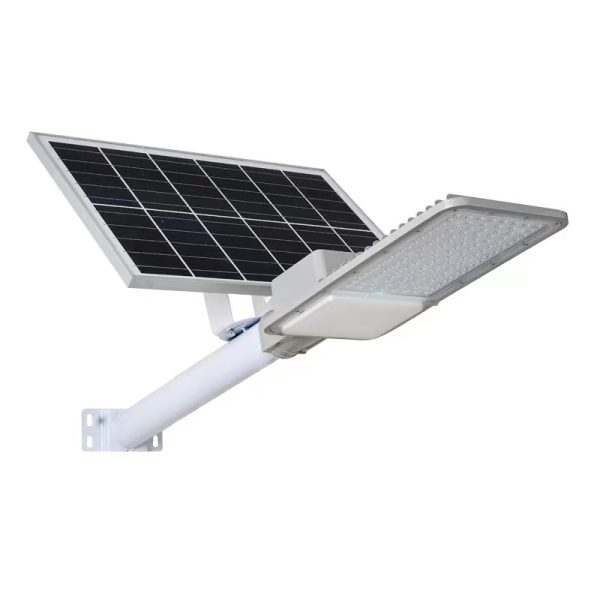
LED high bay lights have revolutionized the commercial and industrial lighting market with their energy efficiency, long lifespan, and versatile applications. These lights are designed to illuminate large, open spaces such as warehouses, gymnasiums, and parking garages. In this comprehensive guide, we will delve into the details of LED high bay lights, exploring their features, benefits, and the latest advancements in technology.
Introduction to LED High Bay Lights
LED high bay lights are a type of lighting fixture designed for high ceilings, typically ranging from 20 to 100 feet. They are a replacement for traditional high bay lighting, which often included high-pressure sodium (HPS) or metal halide (MH) fixtures. LED high bay lights offer several advantages over their predecessors, making them a popular choice for modern lighting solutions.
Energy Efficiency
One of the most significant benefits of LED high bay lights is their energy efficiency. LEDs convert a higher percentage of electrical energy into light, with less wasted as heat. This results in significant energy savings, reducing utility bills and decreasing the carbon footprint of buildings. On average, LED high bay lights can save up to 60% in energy costs compared to traditional high bay lighting.
Longevity
LED high bay lights are known for their long lifespan, typically ranging from 25,000 to 50,000 hours. This longevity means fewer replacements and maintenance, saving time and money for facility managers. In contrast, traditional high bay lights often require frequent replacement, leading to higher costs and inconvenience.
Light Quality
LED high bay lights provide high-quality light with a color temperature that can be adjusted to suit different applications. The color temperature ranges from warm white (2700K) to cool white (6500K), offering flexibility in creating the desired ambiance. LEDs also offer a high color rendering index (CRI), which ensures that colors appear true and vibrant, enhancing the visual experience.
Customization and Control
LED high bay lights can be customized to meet specific lighting requirements. They come in various beam angles, from narrow to wide, allowing for precise control of the light distribution. Additionally, many LED high bay lights are compatible with smart lighting systems, enabling remote control and energy management through the use of sensors and dimming capabilities.
Applications
LED high bay lights are suitable for a wide range of applications, including:
–
- Warehouses and distribution centers
- Manufacturing facilities
- Stadiums and arenas
- Garages and parking lots
- Outdoor sports fields
Advancements in LED High Bay Light Technology
The LED high bay light market continues to evolve, with several advancements being introduced:
–
- Heat Management: Improved heat sinks and thermal management systems ensure that LEDs operate at optimal temperatures, extending their lifespan and maintaining performance.
- Driver Technology: New driver technologies provide better efficiency and reliability, reducing the risk of failure and improving the overall performance of LED high bay lights.
- Smart Lighting: Integration with smart lighting systems allows for better energy management, remote control, and automated adjustments based on occupancy and natural light levels.
Conclusion
LED high bay lights have become the go-to lighting solution for commercial and industrial spaces due to their energy efficiency, long lifespan, and versatile applications. As technology continues to advance, we can expect even more innovative features and benefits to be integrated into LED high bay lights, further solidifying their position as the preferred choice for modern lighting solutions. By understanding the features and benefits of LED high bay lights, facility managers and decision-makers can make informed choices that lead to significant cost savings and improved lighting quality.
 English
 Afrikaans
 Albanian
 Amharic
 Arabic
 Armenian
 Azerbaijani
 Basque
 Belarusian
 Bengali
 Bosnian
 Bulgarian
 Catalan
 Cebuano
 Chichewa
 Corsican
 Croatian
 Czech
Czech Danish
 Dutch
Dutch Esperanto
 Estonian
 Filipino
 Finnish
 French
 Frisian
 Galician
 Georgian
 German
 Greek
Greek Gujarati
 Haitian Creole
 Hausa
Hausa Hawaiian
 Hebrew
 Hindi
Hindi Hmong
Hmong Hungarian
 Icelandic
 Igbo
Igbo Indonesian
 Irish
Irish Italian
 Japanese
 Javanese
 Kannada
 Kazakh
 Khmer
Khmer Korean
 Kurdish (Kurmanji)
 Kyrgyz
 Lao
Lao Latin
Latin Latvian
 Lithuanian
 Luxembourgish
 Macedonian
 Malagasy
 Malay
Malay Malayalam
 Maltese
 Maori
Maori Marathi
 Mongolian
 Myanmar (Burmese)
 Nepali
 Norwegian
 Pashto
 Persian
 Polish
 Portuguese
 Punjabi
 Romanian
 Russian
 Samoan
 Scottish Gaelic
 Serbian
 Sesotho
 Shona
Shona Sindhi
 Sinhala
 Slovak
 Slovenian
 Somali
 Spanish
 Sudanese
 Swahili
 Swedish
 Tajik
Tajik Tamil
Tamil Telugu
 Thai
Thai Turkish
 Ukrainian
 Urdu
Urdu Uzbek
Uzbek Vietnamese
 Welsh
Welsh Xhosa
Xhosa Yiddish
 Yoruba
 Zulu
Zulu
Explore More from Queendom Lamp
Stay updated with the latest LED technology, lighting solutions, and industry insights.
Request a Quote About Queendom