



LED screen SMD, or Surface Mount Device, has become an integral part of the modern display industry. With the rapid development of technology, SMD LED screens have gained immense popularity due to their high brightness, energy efficiency, and compact size. This article aims to provide an in-depth introduction to LED screen SMD, covering its definition, types, applications, advantages, and future trends.
Definition of LED Screen SMD
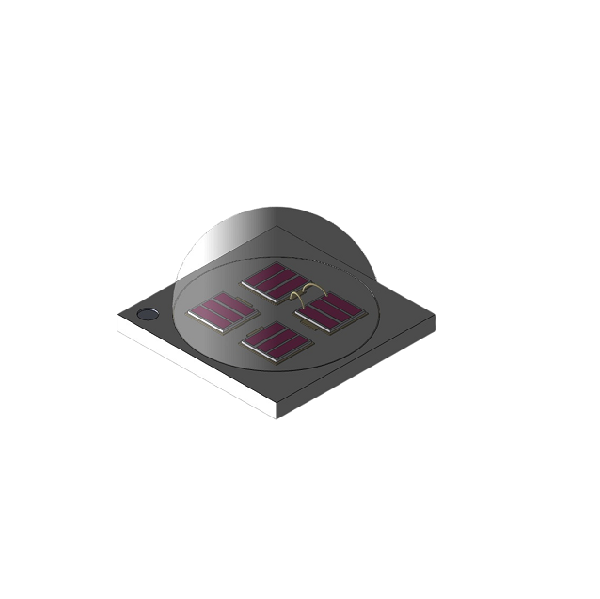
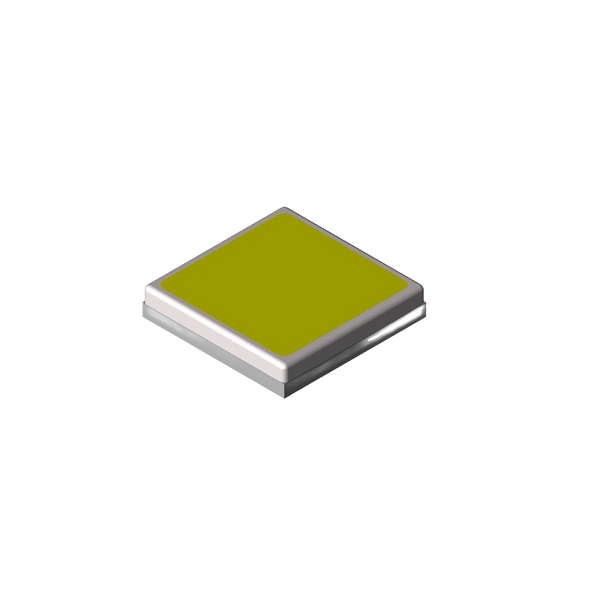
LED screen SMD refers to a type of LED display that uses Surface Mount Devices to mount the LED chips on the circuit board. Compared with traditional LED displays, SMD LED screens have a higher pixel density, better image quality, and more compact structure.
Types of LED Screen SMD
According to the different application scenarios, LED screen SMD can be divided into several types, such as indoor LED screens, outdoor LED screens, transparent LED screens, and flexible LED screens.
- Indoor LED screens: Suitable for indoor environments, such as shopping malls, exhibition halls, and conference rooms.
- Outdoor LED screens: Suitable for outdoor environments, such as stadiums, streets, and billboards.
- Transparent LED screens: With a unique transparent design, suitable for display windows, glass walls, and other transparent environments.
- Flexible LED screens: Made of flexible materials, suitable for various curved surfaces, such as vehicles, mobile devices, and wearable devices.
Applications of LED Screen SMD
LED screen SMD has a wide range of applications in various fields, including advertising, entertainment, transportation, and public information display.
- Advertising: LED screens are widely used in outdoor advertising, such as billboards, street signs, and transit advertisements.
- Entertainment: LED screens are used in movie theaters, concert halls, and theme parks to provide high-definition video and audio experiences.
- Transportation: LED screens are used in buses, subways, and airports to display travel information, advertisements, and public announcements.
- Public information display: LED screens are used in government agencies, hospitals, and schools to display public information, such as news, weather, and emergency alerts.
Advantages of LED Screen SMD
Compared with traditional LED displays, LED screen SMD has several advantages, such as:
- High brightness: SMD LED screens can achieve higher brightness, making them suitable for outdoor environments.
- Energy efficiency: SMD LED screens consume less power, reducing energy costs and environmental impact.
- High pixel density: SMD LED screens have a higher pixel density, providing clearer and more detailed images.
- Compact size: SMD LED screens have a smaller size, making them more suitable for various application scenarios.
- Long lifespan: SMD LED screens have a longer lifespan, reducing maintenance costs and downtime.
Future Trends of LED Screen SMD
With the continuous development of technology, LED screen SMD will continue to evolve in the following aspects:
- Higher brightness and energy efficiency: Future SMD LED screens will achieve higher brightness while consuming less power.
- Better image quality: Advanced technologies, such as Micro LED and OLED, will be integrated into SMD LED screens to provide even better image quality.
- More compact and flexible designs: SMD LED screens will be designed with more compact and flexible structures, suitable for various application scenarios.
- Customizable and interactive features: SMD LED screens will offer more customizable and interactive features, enhancing user experience.
Conclusion
LED screen SMD has become an essential part of the modern display industry, offering numerous advantages and applications. As technology continues to advance, we can expect to see even more innovative and advanced SMD LED screens in the future. This article has provided an overview of LED screen SMD, covering its definition, types, applications, advantages, and future trends. We hope this information will help you better understand the world of LED screen SMD.
 English
 Afrikaans
 Albanian
 Amharic
 Arabic
 Armenian
 Azerbaijani
 Basque
 Belarusian
 Bengali
 Bosnian
 Bulgarian
 Catalan
 Cebuano
 Chichewa
 Corsican
 Croatian
 Czech
Czech Danish
 Dutch
Dutch Esperanto
 Estonian
 Filipino
 Finnish
 French
 Frisian
 Galician
 Georgian
 German
 Greek
Greek Gujarati
 Haitian Creole
 Hausa
Hausa Hawaiian
 Hebrew
 Hindi
Hindi Hmong
Hmong Hungarian
 Icelandic
 Igbo
Igbo Indonesian
 Irish
Irish Italian
 Japanese
 Javanese
 Kannada
 Kazakh
 Khmer
Khmer Korean
 Kurdish (Kurmanji)
 Kyrgyz
 Lao
Lao Latin
Latin Latvian
 Lithuanian
 Luxembourgish
 Macedonian
 Malagasy
 Malay
Malay Malayalam
 Maltese
 Maori
Maori Marathi
 Mongolian
 Myanmar (Burmese)
 Nepali
 Norwegian
 Pashto
 Persian
 Polish
 Portuguese
 Punjabi
 Romanian
 Russian
 Samoan
 Scottish Gaelic
 Serbian
 Sesotho
 Shona
Shona Sindhi
 Sinhala
 Slovak
 Slovenian
 Somali
 Spanish
 Sudanese
 Swahili
 Swedish
 Tajik
Tajik Tamil
Tamil Telugu
 Thai
Thai Turkish
 Ukrainian
 Urdu
Urdu Uzbek
Uzbek Vietnamese
 Welsh
Welsh Xhosa
Xhosa Yiddish
 Yoruba
 Zulu
Zulu