

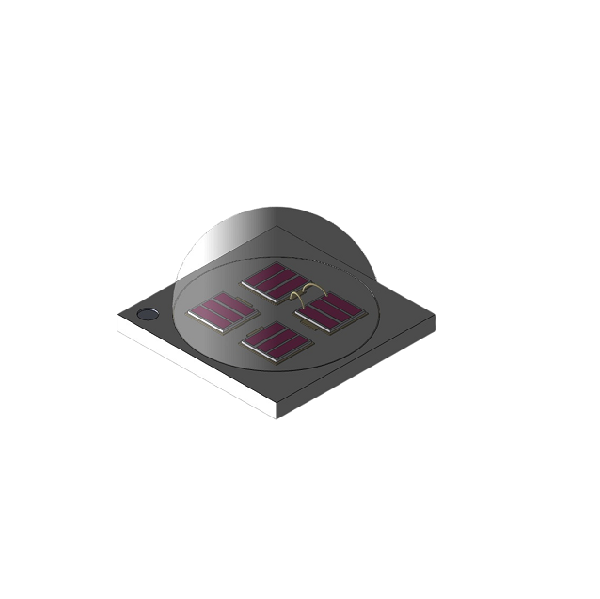
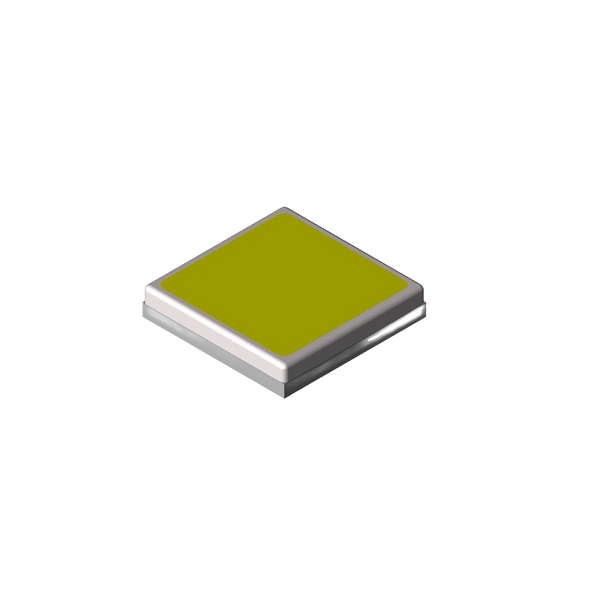
LED chip for hydroponics has emerged as a revolutionary technology in the field of agriculture, offering a sustainable and efficient solution for plant cultivation without soil. This article delves into the intricacies of LED chips specifically designed for hydroponic systems, exploring their benefits, applications, and the future of this innovative technology.
Introduction to LED Chips for Hydroponics
LED chips for hydroponics are specialized light-emitting diodes (LEDs) that are engineered to provide optimal lighting for plants grown in hydroponic environments. Unlike traditional lighting methods, LED chips emit specific wavelengths of light that are most beneficial for plant growth, resulting in healthier, more robust plants with higher yields.
How LED Chips Work in Hydroponic Systems
In a hydroponic system, plants are grown in water-based nutrient solutions, which are delivered directly to the roots. LED chips play a crucial role in this process by providing the necessary light for photosynthesis, the process by which plants convert light energy into chemical energy to fuel their growth.
LED chips are designed to emit light in the photosynthetically active radiation (PAR) spectrum, which includes blue, red, and sometimes near-infrared wavelengths. These wavelengths are most effective for promoting plant growth, flowering, and fruiting. The following are the key benefits of using LED chips in hydroponic systems:
1. Energy Efficiency
LED chips are highly energy-efficient, consuming significantly less electricity than traditional lighting methods such as high-pressure sodium (HPS) or metal halide (MH) lamps. This not only reduces energy costs but also minimizes heat output, which is crucial in maintaining a stable environment for plant growth.
2. Customizable Light Spectrum
LED chips can be customized to emit specific wavelengths of light, allowing growers to tailor the lighting to the needs of their plants. For example, blue light is known to promote vegetative growth, while red light is essential for flowering and fruiting. This flexibility makes LED chips ideal for various stages of plant growth and different types of crops.
3. Longevity
LED chips have a much longer lifespan than traditional lighting sources, often lasting up to 50,000 hours or more. This reduces the need for frequent replacements and further lowers maintenance costs.
4. Reduced Heat Emission
LED chips emit very little heat compared to other lighting methods, which is particularly important in hydroponic systems where maintaining a stable temperature is crucial for plant health. Less heat also means that the cooling systems required in traditional lighting setups can be downsized or eliminated, further reducing energy consumption.
Applications of LED Chips in Hydroponics
LED chips are widely used in various hydroponic applications, including:
1. Vertical Farming
Vertical farming is a growing trend in urban agriculture, where LED chips are used to provide optimal lighting for plants stacked vertically in controlled environments. This method maximizes space and allows for year-round cultivation of a wide variety of crops.
2. Greenhouses
LED chips are increasingly being used in greenhouses to replace traditional lighting systems. The customizable light spectrum and energy efficiency make them an attractive option for greenhouse operators looking to reduce costs and improve plant health.
3. Home Gardening
For hobbyists and home gardeners, LED chips offer a convenient and cost-effective way to grow plants indoors. These compact and energy-efficient lighting solutions can be easily integrated into existing hydroponic systems or used in standalone setups.
4. Research and Development
LED chips are also used in research and development to study the effects of different light wavelengths on plant growth and development. This research helps to refine hydroponic practices and improve crop yields.
The Future of LED Chips for Hydroponics
As technology continues to advance, the future of LED chips for hydroponics looks promising. Some of the key developments expected to shape the industry include:
1. Enhanced Energy Efficiency
Ongoing research and development efforts are focused on creating even more energy-efficient LED chips, further reducing costs and environmental impact.
2. Advanced Customization
New technologies are being developed to allow for even greater customization of LED chips, enabling growers to fine-tune the light spectrum for specific plant species and growth stages.
3. Integration with IoT
The Internet of Things (IoT) is expected to play a significant role in the future of hydroponics, with LED chips being integrated with smart sensors and control systems to optimize plant growth and reduce labor costs.
In conclusion, LED chips for hydroponics have become an indispensable tool for modern agriculture, offering numerous benefits that make them a sustainable and efficient choice for plant cultivation. As technology continues to evolve, LED chips are poised to play an even greater role in shaping the future of hydroponic systems around the world.


Explore More from Queendom Lamp
Stay updated with the latest LED technology, lighting solutions, and industry insights.
Request a Quote About Queendom