




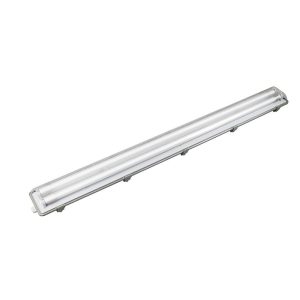
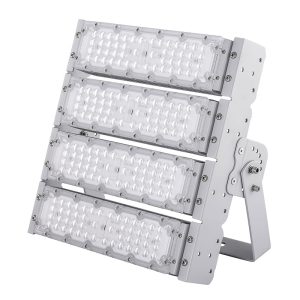
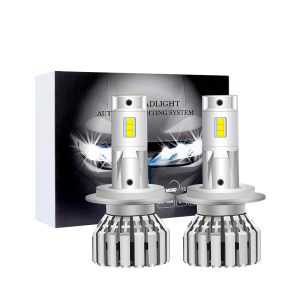
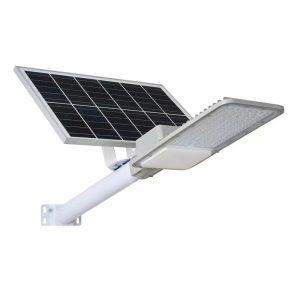
Production of LED mining lamps has become a crucial aspect of the mining industry, providing a safer and more efficient lighting solution for underground operations. As technology advances, LED mining lamps have gained popularity due to their energy-saving, durable, and reliable features. This article aims to provide an in-depth introduction to the production process, market trends, and future prospects of LED mining lamps.
Introduction to LED Mining Lamps
LED mining lamps are specialized lighting devices designed for use in underground mining environments. These lamps are equipped with LED (Light Emitting Diode) technology, which offers several advantages over traditional lighting solutions. The production of LED mining lamps involves several stages, from design and development to manufacturing and quality control.
Design and Development
The design and development phase of LED mining lamps are crucial to ensure that the final product meets the stringent requirements of the mining industry. This stage involves several key aspects:
1. Identifying the specific needs of the mining environment: The design team must consider factors such as the depth of the mine, the presence of dust and gases, and the overall working conditions.
2. Selecting the appropriate LED technology: Different LED chips have varying brightness, color temperature, and lifespan. The design team must choose the best LED chips for the specific application.
3. Ensuring safety and compliance: LED mining lamps must comply with international safety standards, such as the Ingress Protection (IP) rating, which determines the degree of protection against dust and water.
4. Developing a durable and reliable design: The lamps must withstand harsh conditions, including extreme temperatures, humidity, and vibration.
Manufacturing Process
The manufacturing process of LED mining lamps involves several steps:
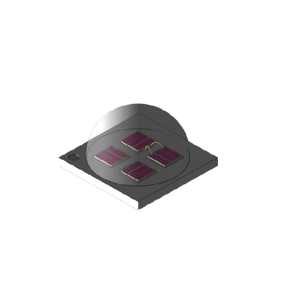
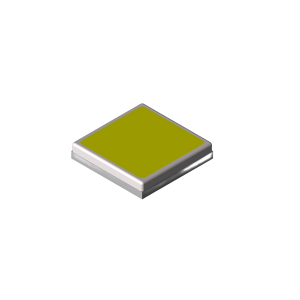
1. Assembling the LED chips: The LED chips are mounted onto a printed circuit board (PCB) using a pick-and-place machine.
2. Encapsulating the LED chips: The LED chips are encapsulated with a transparent material to protect them from environmental factors.
3. Mounting the LED chips onto the PCB: The encapsulated LED chips are mounted onto the PCB, ensuring proper alignment and spacing.
4. Soldering the components: The components, including resistors, capacitors, and inductors, are soldered onto the PCB.
5. Encasing the PCB: The PCB is encased in a durable housing that protects the components from damage.
6. Testing and quality control: The finished lamps undergo rigorous testing to ensure they meet the required safety and performance standards.
Market Trends
The market for LED mining lamps has been growing steadily over the past few years, driven by several factors:
1. Energy efficiency: LED mining lamps consume significantly less energy than traditional lighting solutions, leading to lower operating costs for mining companies.
2. Safety: LED mining lamps provide a brighter and more focused light, which enhances visibility and reduces the risk of accidents.
3. Environmental concerns: LED lamps have a longer lifespan than traditional bulbs, reducing the need for frequent replacements and minimizing waste.
4. Technological advancements: Continuous improvements in LED technology have led to better performance and more features in LED mining lamps.
Future Prospects
The future of LED mining lamp production looks promising, with several emerging trends:
1. Integration of smart features: Future LED mining lamps may incorporate smart features, such as motion sensors and wireless connectivity, to enhance safety and efficiency.
2. Customization: Mining companies may demand customized LED mining lamps that cater to their specific needs, such as different brightness levels or color temperatures.
3. Collaboration between manufacturers and mining companies: Closer collaboration between LED mining lamp manufacturers and mining companies can lead to the development of more innovative and efficient lighting solutions.
4. Expansion into other industries: As LED technology continues to advance, LED mining lamps may find applications in other industries, such as construction and tunneling.
In conclusion, the production of LED mining lamps is a vital aspect of the mining industry, offering numerous benefits over traditional lighting solutions. As technology continues to evolve, the market for LED mining lamps is expected to grow, with new innovations and applications on the horizon.
 English
 Afrikaans
 Albanian
 Amharic
 Arabic
 Armenian
 Azerbaijani
 Basque
 Belarusian
 Bengali
 Bosnian
 Bulgarian
 Catalan
 Cebuano
 Chichewa
 Corsican
 Croatian
 Czech
Czech Danish
 Dutch
Dutch Esperanto
 Estonian
 Filipino
 Finnish
 French
 Frisian
 Galician
 Georgian
 German
 Greek
Greek Gujarati
 Haitian Creole
 Hausa
Hausa Hawaiian
 Hebrew
 Hindi
Hindi Hmong
Hmong Hungarian
 Icelandic
 Igbo
Igbo Indonesian
 Irish
Irish Italian
 Japanese
 Javanese
 Kannada
 Kazakh
 Khmer
Khmer Korean
 Kurdish (Kurmanji)
 Kyrgyz
 Lao
Lao Latin
Latin Latvian
 Lithuanian
 Luxembourgish
 Macedonian
 Malagasy
 Malay
Malay Malayalam
 Maltese
 Maori
Maori Marathi
 Mongolian
 Myanmar (Burmese)
 Nepali
 Norwegian
 Pashto
 Persian
 Polish
 Portuguese
 Punjabi
 Romanian
 Russian
 Samoan
 Scottish Gaelic
 Serbian
 Sesotho
 Shona
Shona Sindhi
 Sinhala
 Slovak
 Slovenian
 Somali
 Spanish
 Sudanese
 Swahili
 Swedish
 Tajik
Tajik Tamil
Tamil Telugu
 Thai
Thai Turkish
 Ukrainian
 Urdu
Urdu Uzbek
Uzbek Vietnamese
 Welsh
Welsh Xhosa
Xhosa Yiddish
 Yoruba
 Zulu
Zulu
Explore More from Queendom Lamp
Stay updated with the latest LED technology, lighting solutions, and industry insights.
Request a Quote About Queendom