










Plant fill light, grow light, and plant light are terms that are increasingly becoming integral to the modern horticulture industry. These lighting solutions are designed to mimic the natural sunlight that plants require for optimal growth, and they have revolutionized the way indoor gardening and commercial farming are conducted. This article delves into the world of plant lighting, exploring the types, benefits, and applications of these innovative technologies.
Introduction to Plant Lighting
Plant lighting refers to any artificial light source used to provide the necessary light for plant growth. It is particularly important for indoor gardening and controlled-environment agriculture, where natural sunlight is either unavailable or insufficient. Plant lighting systems can be categorized into various types, each with its unique characteristics and applications.
Types of Plant Lighting
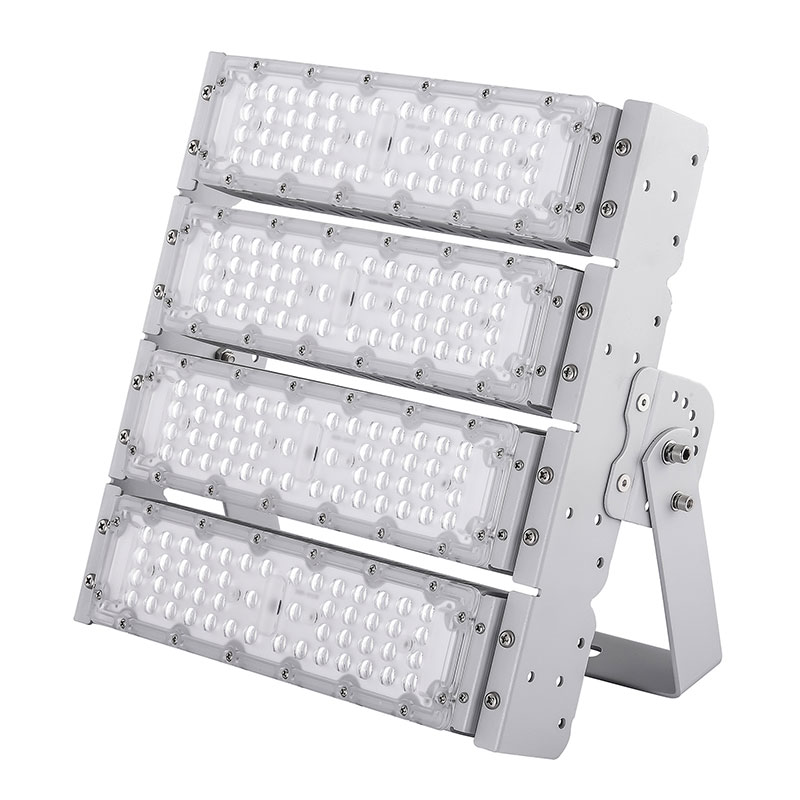
1. LED Grow Lights: LED (Light Emitting Diode) grow lights are the most popular type of plant lighting due to their energy efficiency, long lifespan, and customizable spectrum. They emit specific wavelengths of light that are beneficial for plant growth, such as blue light for vegetative growth and red light for flowering.
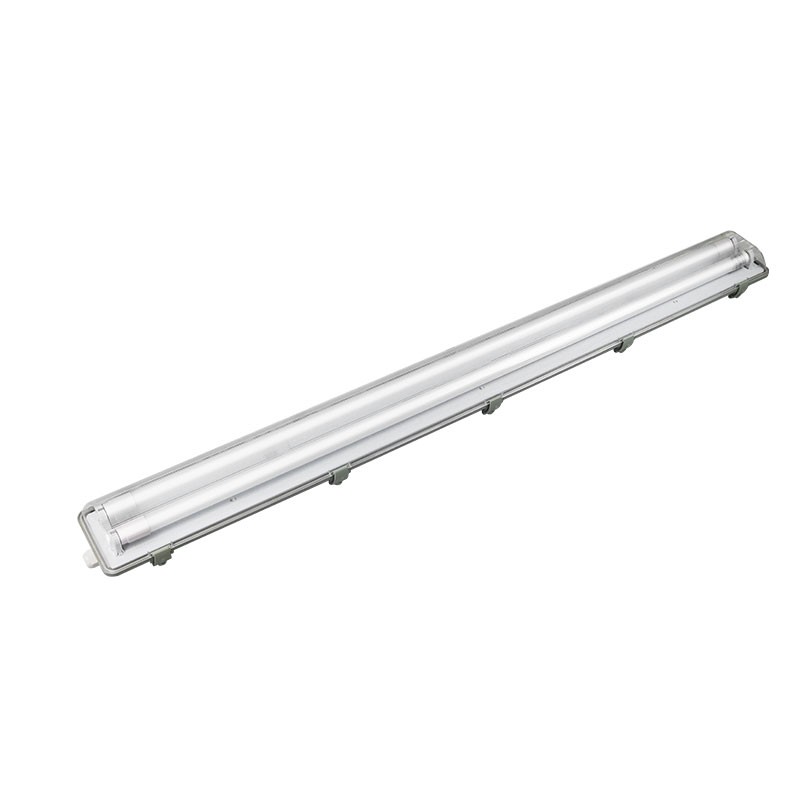
2. Fluorescent Grow Lights: Fluorescent grow lights are known for their lower heat output and are a cost-effective option for small-scale indoor gardening. They emit a broad spectrum of light, which is suitable for seedlings and early-stage plant growth.
3. High-Intensity Discharge (HID) Lights: HID lights, including metal halide (MH) and high-pressure sodium (HPS) bulbs, are powerful and produce intense light. They are often used in commercial grow operations due to their ability to promote strong vegetative growth and flowering.
4. T5 Fluorescent Lights: T5 fluorescent lights are a type of fluorescent grow light that is known for its high efficiency and compact size. They are widely used in hydroponic systems and for seedling propagation.
Benefits of Plant Lighting
The use of plant lighting offers several benefits, including:
– Enhanced Growth Rate: Proper lighting can significantly increase the growth rate of plants, leading to quicker harvests and higher yields.
– Improved Quality: Lighting systems can be tailored to the specific needs of different plants, resulting in healthier, more vibrant foliage and fruit.
– Year-Round Production: With controlled lighting, plants can be grown indoors regardless of the season, allowing for year-round production.
– Energy Efficiency: LED grow lights, in particular, are highly energy-efficient, reducing electricity costs and environmental impact.
Applications of Plant Lighting
Plant lighting is used in a variety of applications, including:
– Indoor Gardening: Home gardeners and hobbyists use plant lighting to grow a wide range of plants, from herbs and vegetables to ornamental flowers.
– Hydroponics: Hydroponic systems rely on plant lighting to provide the necessary light for plant growth, as there is no soil to reflect sunlight.
– Greenhouses: Greenhouse operators use plant lighting to supplement natural sunlight and extend growing seasons.
– Agricultural Production: Commercial farms and greenhouses use advanced plant lighting technologies to maximize yields and improve crop quality.
Challenges and Considerations
While plant lighting offers numerous benefits, there are also challenges and considerations to keep in mind:
– Cost: High-quality plant lighting systems can be expensive, particularly for large-scale operations.
– Complexity: Setting up and maintaining a plant lighting system can be complex, requiring knowledge of plant biology and lighting technology.
– Environmental Impact: Although LED grow lights are energy-efficient, other lighting technologies can have a significant environmental impact due to their energy consumption and disposal.
Conclusion
Plant fill light, grow light, and plant light technologies have transformed the horticulture industry, providing innovative solutions for indoor gardening and commercial farming. As the demand for sustainable and efficient agricultural practices grows, these lighting systems are likely to become even more integral to the future of plant cultivation. By understanding the different types of plant lighting and their applications, gardeners and farmers can make informed decisions to optimize plant growth and productivity.
 English
 Afrikaans
 Albanian
 Amharic
 Arabic
 Armenian
 Azerbaijani
 Basque
 Belarusian
 Bengali
 Bosnian
 Bulgarian
 Catalan
 Cebuano
 Chichewa
 Corsican
 Croatian
 Czech
Czech Danish
 Dutch
Dutch Esperanto
 Estonian
 Filipino
 Finnish
 French
 Frisian
 Galician
 Georgian
 German
 Greek
Greek Gujarati
 Haitian Creole
 Hausa
Hausa Hawaiian
 Hebrew
 Hindi
Hindi Hmong
Hmong Hungarian
 Icelandic
 Igbo
Igbo Indonesian
 Irish
Irish Italian
 Japanese
 Javanese
 Kannada
 Kazakh
 Khmer
Khmer Korean
 Kurdish (Kurmanji)
 Kyrgyz
 Lao
Lao Latin
Latin Latvian
 Lithuanian
 Luxembourgish
 Macedonian
 Malagasy
 Malay
Malay Malayalam
 Maltese
 Maori
Maori Marathi
 Mongolian
 Myanmar (Burmese)
 Nepali
 Norwegian
 Pashto
 Persian
 Polish
 Portuguese
 Punjabi
 Romanian
 Russian
 Samoan
 Scottish Gaelic
 Serbian
 Sesotho
 Shona
Shona Sindhi
 Sinhala
 Slovak
 Slovenian
 Somali
 Spanish
 Sudanese
 Swahili
 Swedish
 Tajik
Tajik Tamil
Tamil Telugu
 Thai
Thai Turkish
 Ukrainian
 Urdu
Urdu Uzbek
Uzbek Vietnamese
 Welsh
Welsh Xhosa
Xhosa Yiddish
 Yoruba
 Zulu
Zulu
Explore More from Queendom Lamp
Stay updated with the latest LED technology, lighting solutions, and industry insights.
Request a Quote About Queendom