

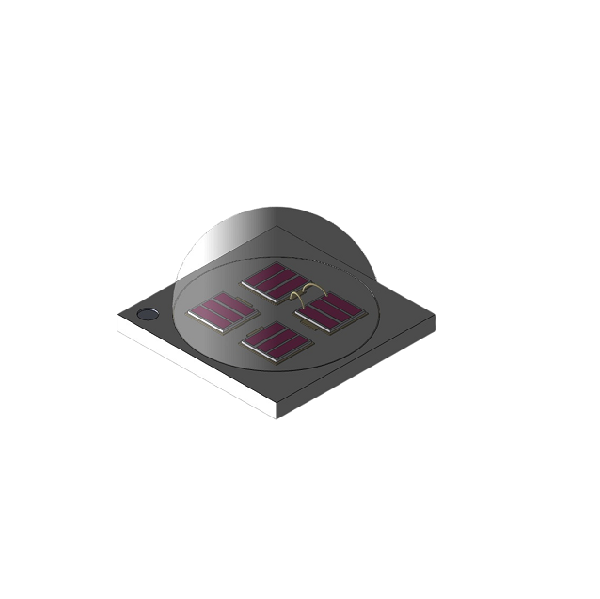
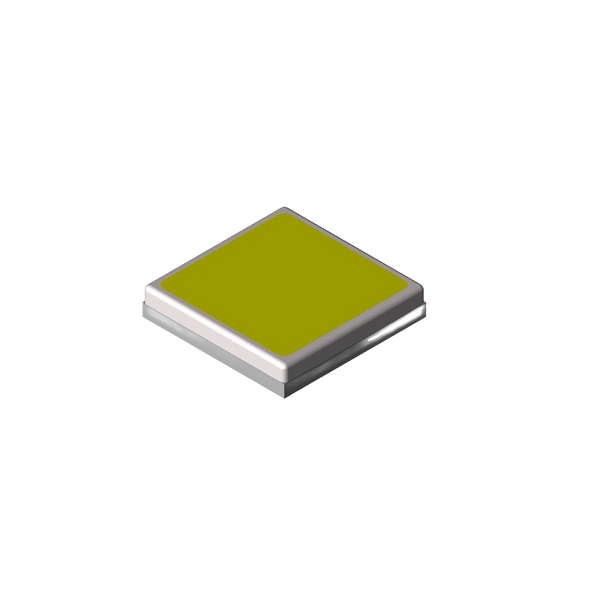


940nm infrared fill light has emerged as a cutting-edge technology in the field of photography and videography. This specialized type of infrared lighting offers a unique advantage by providing a longer wavelength of light that can enhance the quality of images captured in low-light conditions. In this article, we will delve into the details of 940nm infrared fill light, exploring its applications, benefits, and the technological advancements that have made it a popular choice among professionals.
Introduction to Infrared Lighting
Infrared lighting has been used in various industries for decades, primarily for applications such as security, thermal imaging, and medical diagnostics. However, its use in photography and videography is relatively new. Infrared light has a longer wavelength than visible light, which allows it to penetrate through certain materials and surfaces that would otherwise reflect or absorb visible light. This characteristic makes infrared lighting particularly useful for filling in dark areas and reducing shadows in low-light environments.
What is 940nm Infrared Fill Light?
940nm infrared fill light refers to a specific wavelength of infrared light that is used to illuminate subjects in photography and videography. The “940nm” refers to the nanometer measurement of the light’s wavelength, which is just beyond the range of human vision. This type of infrared light is often used in conjunction with cameras that are sensitive to infrared wavelengths, such as DSLRs with modified sensors or specialized infrared cameras.
Applications of 940nm Infrared Fill Light
The primary application of 940nm infrared fill light is in photography and videography, where it is used to create a more evenly lit scene, especially in environments where natural light is limited. Some of the key applications include:
1. Low-Light Photography: Infrared fill light can significantly improve the quality of images captured in low-light conditions, reducing noise and enhancing clarity.
2. Videography: For filmmakers, 940nm infrared fill light can help achieve a more professional look in night scenes or indoor environments with poor lighting.
3. Product Photography: In the retail and e-commerce sectors, infrared fill light is used to showcase products with accurate color representation and detailed textures.
4. Security and Surveillance: Although not directly related to photography and videography, 940nm infrared light is also used in security cameras to enhance visibility in dark areas.
Benefits of 940nm Infrared Fill Light
There are several benefits to using 940nm infrared fill light in photography and videography:
1. Improved Low-Light Performance: The longer wavelength of infrared light allows it to be more effective in low-light conditions, reducing the need for high ISO settings that can introduce noise.
2. Enhanced Detail: Infrared fill light can help bring out details in shadows and low-light areas, resulting in a more professional image.
3. Accurate Color Representation: When used correctly, 940nm infrared fill light can help maintain the true colors of subjects, even in challenging lighting situations.
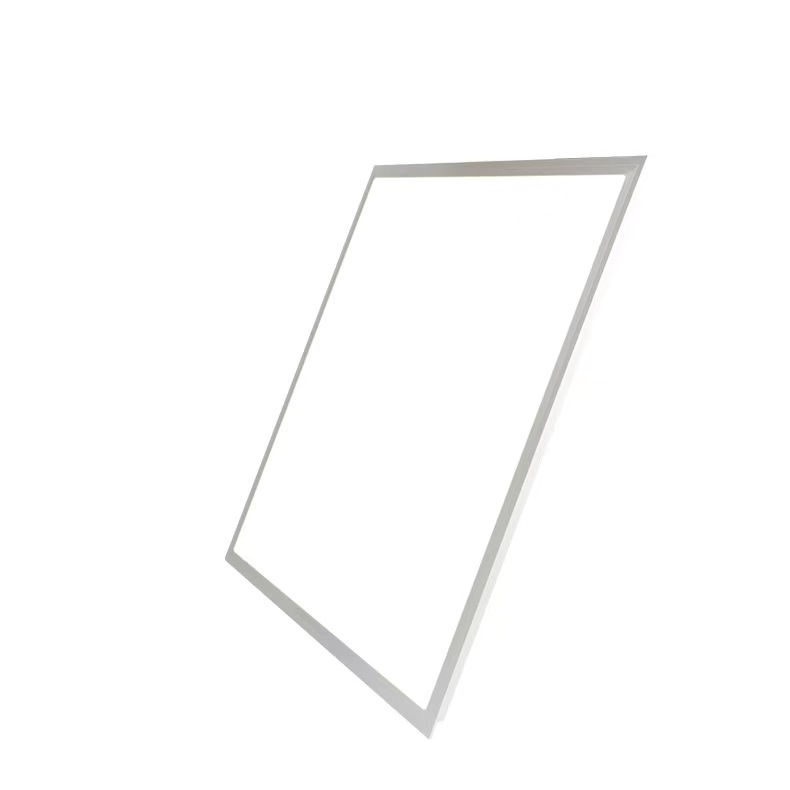
4. Flexibility: Infrared fill lights come in various forms, from softboxes to LED panels, allowing for easy integration into existing lighting setups.
Technological Advancements
The development of 940nm infrared fill light has been driven by several technological advancements:
1. LED Technology: The use of LED technology has made infrared fill lights more energy-efficient and cost-effective compared to traditional lighting sources.
2. Camera Sensors: Advances in camera sensor technology have made cameras more sensitive to infrared light, enabling the capture of images that were previously impossible.
3. Light Shaping Tools: The availability of various light shaping tools, such as diffusers and reflectors, has allowed photographers and videographers to control the direction and intensity of infrared light more effectively.
Challenges and Considerations
Despite its benefits, there are challenges and considerations to keep in mind when using 940nm infrared fill light:
1. Color cast: Infrared light can introduce a color cast to images, which may require post-processing to correct.
2. Integration: Integrating infrared fill light into existing lighting setups can be challenging, especially for those not familiar with infrared technology.
3. Subject Sensitivity: Some subjects may not respond well to infrared light, particularly those with reflective or translucent surfaces.
Conclusion
940nm infrared fill light has revolutionized the way professionals approach photography and videography in low-light conditions. Its ability to enhance detail, reduce noise, and maintain accurate color representation makes it a valuable tool for anyone looking to improve the quality of their images. As technology continues to advance, we can expect to see even more innovative applications of infrared fill light in the future.
 English
 Afrikaans
 Albanian
 Amharic
 Arabic
 Armenian
 Azerbaijani
 Basque
 Belarusian
 Bengali
 Bosnian
 Bulgarian
 Catalan
 Cebuano
 Chichewa
 Corsican
 Croatian
 Czech
Czech Danish
 Dutch
Dutch Esperanto
 Estonian
 Filipino
 Finnish
 French
 Frisian
 Galician
 Georgian
 German
 Greek
Greek Gujarati
 Haitian Creole
 Hausa
Hausa Hawaiian
 Hebrew
 Hindi
Hindi Hmong
Hmong Hungarian
 Icelandic
 Igbo
Igbo Indonesian
 Irish
Irish Italian
 Japanese
 Javanese
 Kannada
 Kazakh
 Khmer
Khmer Korean
 Kurdish (Kurmanji)
 Kyrgyz
 Lao
Lao Latin
Latin Latvian
 Lithuanian
 Luxembourgish
 Macedonian
 Malagasy
 Malay
Malay Malayalam
 Maltese
 Maori
Maori Marathi
 Mongolian
 Myanmar (Burmese)
 Nepali
 Norwegian
 Pashto
 Persian
 Polish
 Portuguese
 Punjabi
 Romanian
 Russian
 Samoan
 Scottish Gaelic
 Serbian
 Sesotho
 Shona
Shona Sindhi
 Sinhala
 Slovak
 Slovenian
 Somali
 Spanish
 Sudanese
 Swahili
 Swedish
 Tajik
Tajik Tamil
Tamil Telugu
 Thai
Thai Turkish
 Ukrainian
 Urdu
Urdu Uzbek
Uzbek Vietnamese
 Welsh
Welsh Xhosa
Xhosa Yiddish
 Yoruba
 Zulu
Zulu
Explore More from Queendom Lamp
Stay updated with the latest LED technology, lighting solutions, and industry insights.
Request a Quote About Queendom