







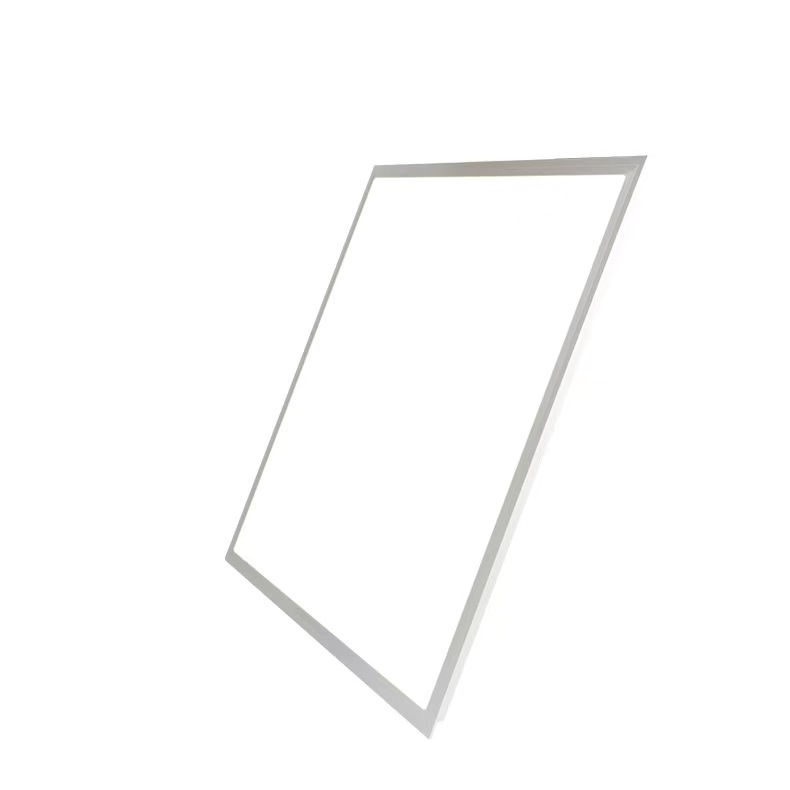
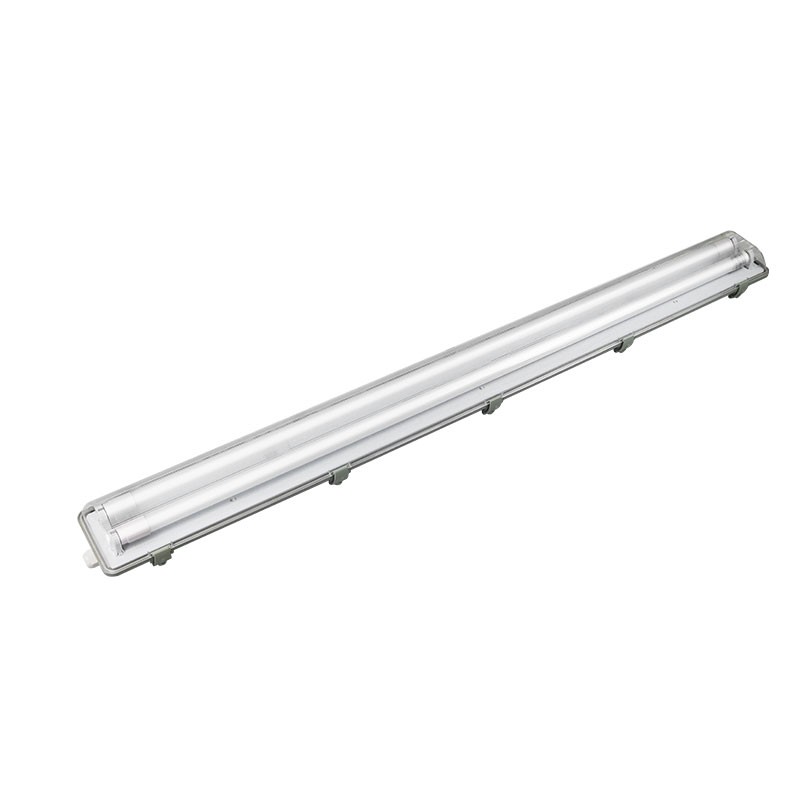
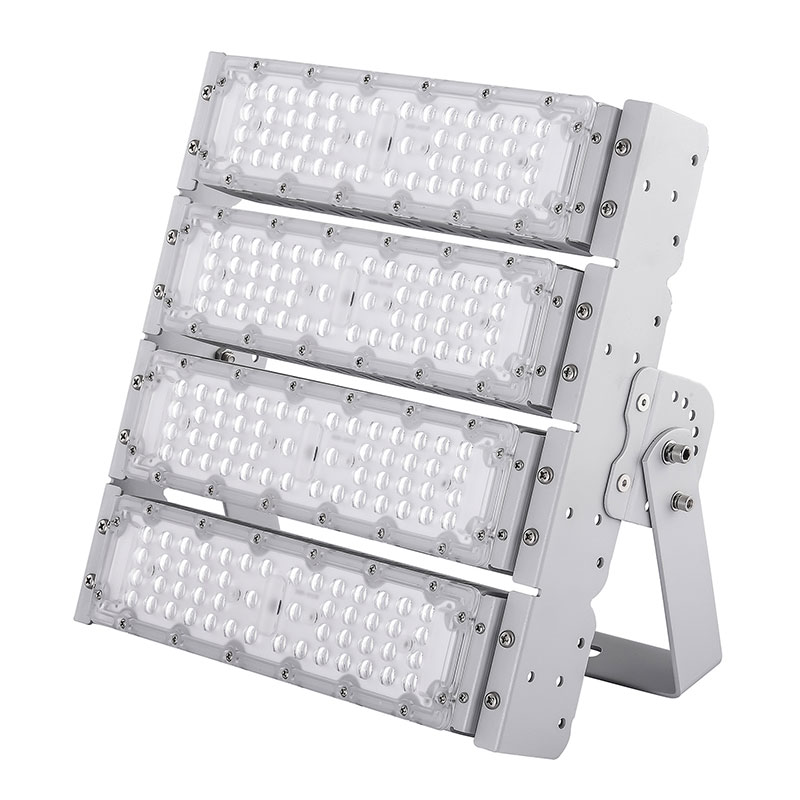


LED diodes for green certifications (LEED) have become a cornerstone in the sustainable building industry, particularly within the framework of the Leadership in Energy and Environmental Design (LEED) rating system. As the world increasingly focuses on reducing its carbon footprint and promoting eco-friendly practices, LED lighting has emerged as a key technology that can help buildings achieve higher LEED ratings. This article delves into the role of LED diodes in green certifications, their benefits, and the impact they have on the construction and maintenance of sustainable buildings.
Introduction to LED Diodes
LED (Light Emitting Diode) technology has revolutionized the lighting industry by offering energy-efficient, durable, and versatile lighting solutions. Unlike traditional incandescent bulbs, which produce light by heating a filament, LEDs generate light through the movement of electrons within a semiconductor material. This process results in lower energy consumption, longer lifespan, and a smaller environmental impact.
LEED Certification and its Significance
The LEED rating system, developed by the U.S. Green Building Council (USGBC), is a globally recognized standard for the design, construction, operation, and maintenance of high-performance green buildings. LEED certification is awarded to projects that meet specific criteria in various categories, including sustainable site development, water efficiency, energy and atmosphere, materials and resources, indoor environmental quality, and innovation in design.
LED diodes play a crucial role in the “Energy and Atmosphere” category of the LEED rating system, where they contribute to a building’s energy efficiency and overall sustainability. By using LED lighting, buildings can significantly reduce their energy consumption, which in turn lowers their carbon emissions and helps them achieve higher LEED ratings.
Benefits of LED Diodes for Green Certifications
Several key benefits of LED diodes make them an ideal choice for achieving green certifications like LEED:
1. Energy Efficiency: LEDs consume up to 75% less energy than traditional lighting sources, which directly translates to lower energy bills and reduced greenhouse gas emissions.
2. Longevity: LED bulbs have a lifespan that can range from 20,000 to 50,000 hours, which means fewer replacements and lower maintenance costs over time.
3. Low Heat Output: LEDs generate very little heat compared to incandescent bulbs, reducing the risk of overheating and improving overall building safety.
4. Color Rendering: LEDs offer excellent color rendering, which is important for creating a comfortable and aesthetically pleasing indoor environment.
5. Dimmability: Many LED fixtures are dimmable, allowing for greater control over lighting levels and further energy savings.
6. Customization: LEDs can be designed to emit light in specific colors and intensities, making them suitable for a wide range of applications and environments.
Implementing LED Diodes in LEED Certified Buildings
To maximize the benefits of LED diodes in achieving LEED certification, building owners and designers should consider the following steps:
1. Lighting Design: A well-designed lighting plan can significantly enhance energy efficiency. This involves selecting the right LED fixtures, lumens, and control systems to meet the specific needs of the space.
2. Occupancy Sensors: Implementing occupancy sensors can automatically turn off lights when a space is unoccupied, further reducing energy consumption.
3. Lighting Control Systems: Advanced lighting control systems can optimize lighting levels based on natural daylight and occupancy, ensuring that energy is used efficiently.
4. Maintenance and Upkeep: Regular maintenance of LED fixtures is crucial to ensure optimal performance and longevity. This includes cleaning lenses and checking for any signs of wear and tear.
Case Studies and Success Stories
Numerous case studies demonstrate the positive impact of LED diodes on LEED certification. For instance, the International Finance Corporation (IFC) headquarters in Washington, D.C., achieved LEED Platinum certification in part due to its extensive use of LED lighting. Similarly, the Bullitt Center in Seattle, Washington, is one of the world’s first commercial buildings to achieve Living Building Challenge certification, with LED lighting playing a significant role in its energy-efficient design.
Challenges and Future Trends
While LED diodes offer numerous benefits for green certifications, there are still challenges to be addressed. These include the initial higher cost of LED fixtures compared to traditional lighting, the need for ongoing education and training for installers and maintenance personnel, and the development of recycling programs for end-of-life LED products.
Looking ahead, future trends in LED technology include further improvements in energy efficiency, the development of more advanced control systems, and the integration of LED lighting with smart building technologies. As the demand for sustainable buildings grows, LED diodes are expected to play an increasingly important role in achieving green certifications like LEED.
Conclusion
LED diodes for green certifications (LEED) have become an indispensable component in the quest for sustainable building practices. Their energy efficiency, longevity, and versatility make them a compelling choice for architects, designers, and building owners looking to achieve higher LEED ratings. As the technology continues to evolve, LED diodes will undoubtedly contribute to the ongoing transformation of the built environment, fostering a more sustainable future.
 English
 Afrikaans
 Albanian
 Amharic
 Arabic
 Armenian
 Azerbaijani
 Basque
 Belarusian
 Bengali
 Bosnian
 Bulgarian
 Catalan
 Cebuano
 Chichewa
 Corsican
 Croatian
 Czech
Czech Danish
 Dutch
Dutch Esperanto
 Estonian
 Filipino
 Finnish
 French
 Frisian
 Galician
 Georgian
 German
 Greek
Greek Gujarati
 Haitian Creole
 Hausa
Hausa Hawaiian
 Hebrew
 Hindi
Hindi Hmong
Hmong Hungarian
 Icelandic
 Igbo
Igbo Indonesian
 Irish
Irish Italian
 Japanese
 Javanese
 Kannada
 Kazakh
 Khmer
Khmer Korean
 Kurdish (Kurmanji)
 Kyrgyz
 Lao
Lao Latin
Latin Latvian
 Lithuanian
 Luxembourgish
 Macedonian
 Malagasy
 Malay
Malay Malayalam
 Maltese
 Maori
Maori Marathi
 Mongolian
 Myanmar (Burmese)
 Nepali
 Norwegian
 Pashto
 Persian
 Polish
 Portuguese
 Punjabi
 Romanian
 Russian
 Samoan
 Scottish Gaelic
 Serbian
 Sesotho
 Shona
Shona Sindhi
 Sinhala
 Slovak
 Slovenian
 Somali
 Spanish
 Sudanese
 Swahili
 Swedish
 Tajik
Tajik Tamil
Tamil Telugu
 Thai
Thai Turkish
 Ukrainian
 Urdu
Urdu Uzbek
Uzbek Vietnamese
 Welsh
Welsh Xhosa
Xhosa Yiddish
 Yoruba
 Zulu
Zulu
Explore More from Queendom Lamp
Stay updated with the latest LED technology, lighting solutions, and industry insights.
Request a Quote About Queendom