








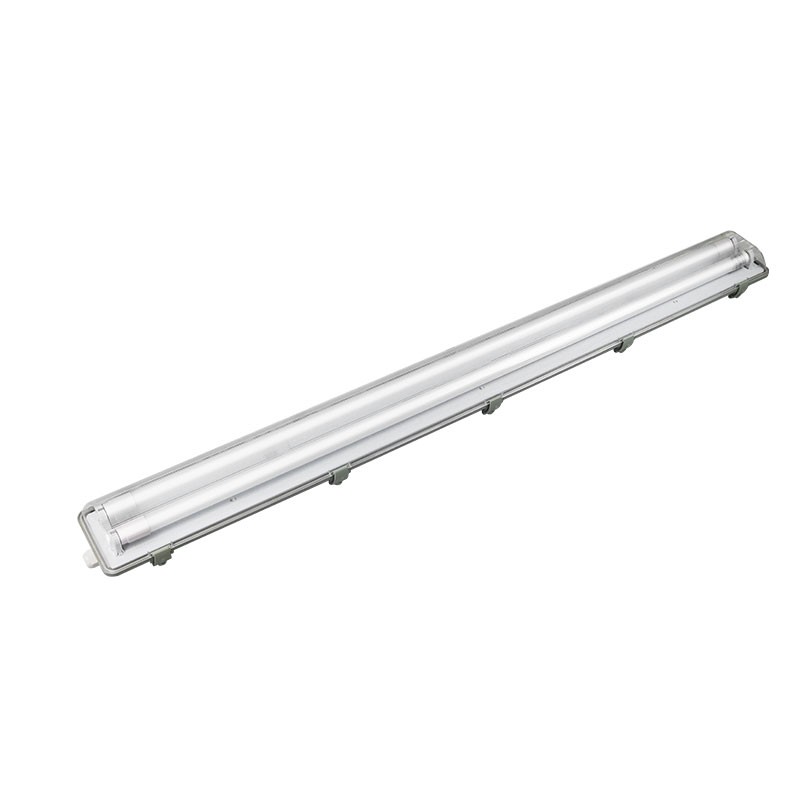
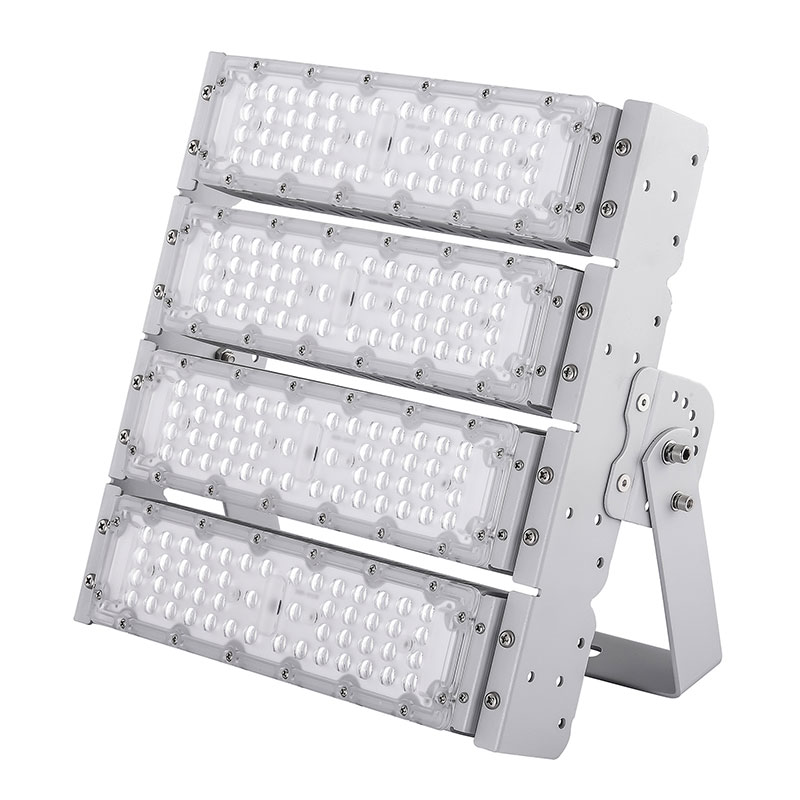


Lighting LED datasheet is a crucial document for engineers, designers, and enthusiasts in the LED lighting industry. It provides detailed information about the performance, specifications, and application of LED lighting products. This article aims to delve into the significance of lighting LED datasheets, their contents, and how they influence the design and selection of LED lighting solutions.
Introduction to Lighting LED Datasheet
A lighting LED datasheet is an essential technical document that outlines the specifications and characteristics of LED lighting components. It serves as a reference guide for engineers and designers to understand the capabilities and limitations of LED lighting products. The datasheet contains valuable information that helps in the selection, installation, and maintenance of LED lighting systems.
Contents of a Lighting LED Datasheet
A comprehensive lighting LED datasheet typically includes the following sections:
1. Product Overview: This section provides a brief description of the LED lighting product, including its name, model number, and intended application.
2. Electrical Specifications: This section details the electrical parameters of the LED, such as forward voltage, forward current, and maximum power dissipation. It also includes the input voltage range and operating temperature.
3. Optical Specifications: This section describes the LED’s light output, color temperature, color rendering index (CRI), and beam angle. It also provides information about the package type and lens design.
4. Thermal Specifications: This section outlines the thermal characteristics of the LED, including thermal resistance and thermal impedance. It also provides guidance on heat sinking and thermal management.
5. Mechanical Specifications: This section includes dimensions, weight, and mounting information for the LED package. It also describes any protective features, such as encapsulation materials and waterproof ratings.
6. Safety and Compliance: This section details the safety certifications and compliance standards that the LED lighting product adheres to, such as UL, CE, RoHS, and ENERGY STAR.
7. Application Notes: This section provides recommendations for the installation, operation, and maintenance of the LED lighting product. It may also include troubleshooting tips and best practices for achieving optimal performance.
Importance of Lighting LED Datasheet
The lighting LED datasheet plays a vital role in the design and selection process of LED lighting solutions. Here are some key reasons why it is important:
1. Design Accuracy: The datasheet ensures that the LED lighting product meets the specific design requirements, such as color temperature, CRI, and light output. This helps in achieving the desired aesthetic and functional outcomes.
2. Performance Evaluation: Engineers can use the datasheet to evaluate the performance of the LED lighting product under various operating conditions. This information is crucial for ensuring reliable and efficient performance.
3. Cost Optimization: By understanding the electrical and optical specifications, engineers can select the most cost-effective LED lighting solution that meets their project requirements.
4. Regulatory Compliance: The safety and compliance section of the datasheet helps ensure that the LED lighting product adheres to the necessary regulations and standards, reducing the risk of legal issues.
5. Maintenance and Troubleshooting: The application notes and troubleshooting tips in the datasheet can help users maintain and troubleshoot their LED lighting systems effectively.
Choosing the Right Lighting LED Datasheet
When selecting a lighting LED datasheet, consider the following factors:
1. Relevance: Ensure that the datasheet is relevant to the specific LED lighting product you are considering.
2. Comprehensive Information: Look for a datasheet that provides detailed information about the electrical, optical, thermal, and mechanical specifications.
3. Vendor Reputation: Choose a datasheet from a reputable vendor with a good track record in the LED lighting industry.
4. Update Frequency: Ensure that the datasheet is regularly updated to reflect any changes in the LED lighting product’s specifications.
5. Language and Format: Verify that the datasheet is available in the desired language and format, making it easy to understand and use.
Conclusion
In conclusion, the lighting LED datasheet is an indispensable tool for professionals in the LED lighting industry. It provides crucial information that aids in the design, selection, and maintenance of LED lighting solutions. By understanding the contents and significance of a lighting LED datasheet, engineers and designers can make informed decisions and deliver high-quality LED lighting products that meet the needs of their customers.
 English
 Afrikaans
 Albanian
 Amharic
 Arabic
 Armenian
 Azerbaijani
 Basque
 Belarusian
 Bengali
 Bosnian
 Bulgarian
 Catalan
 Cebuano
 Chichewa
 Corsican
 Croatian
 Czech
Czech Danish
 Dutch
Dutch Esperanto
 Estonian
 Filipino
 Finnish
 French
 Frisian
 Galician
 Georgian
 German
 Greek
Greek Gujarati
 Haitian Creole
 Hausa
Hausa Hawaiian
 Hebrew
 Hindi
Hindi Hmong
Hmong Hungarian
 Icelandic
 Igbo
Igbo Indonesian
 Irish
Irish Italian
 Japanese
 Javanese
 Kannada
 Kazakh
 Khmer
Khmer Korean
 Kurdish (Kurmanji)
 Kyrgyz
 Lao
Lao Latin
Latin Latvian
 Lithuanian
 Luxembourgish
 Macedonian
 Malagasy
 Malay
Malay Malayalam
 Maltese
 Maori
Maori Marathi
 Mongolian
 Myanmar (Burmese)
 Nepali
 Norwegian
 Pashto
 Persian
 Polish
 Portuguese
 Punjabi
 Romanian
 Russian
 Samoan
 Scottish Gaelic
 Serbian
 Sesotho
 Shona
Shona Sindhi
 Sinhala
 Slovak
 Slovenian
 Somali
 Spanish
 Sudanese
 Swahili
 Swedish
 Tajik
Tajik Tamil
Tamil Telugu
 Thai
Thai Turkish
 Ukrainian
 Urdu
Urdu Uzbek
Uzbek Vietnamese
 Welsh
Welsh Xhosa
Xhosa Yiddish
 Yoruba
 Zulu
Zulu
Explore More from Queendom Lamp
Stay updated with the latest LED technology, lighting solutions, and industry insights.
Request a Quote About Queendom