




Curing SMD LED: A Comprehensive Guide to Enhancing LED Performance and Lifespan
Introduction to Curing SMD LED
In the ever-evolving world of lighting technology, SMD (Surface Mount Device) LEDs have become the preferred choice for various applications, ranging from automotive to consumer electronics. However, the performance and lifespan of these LEDs can be significantly enhanced through a process known as curing. This article delves into the intricacies of curing SMD LED, exploring its importance, methods, and benefits.
Understanding SMD LEDs
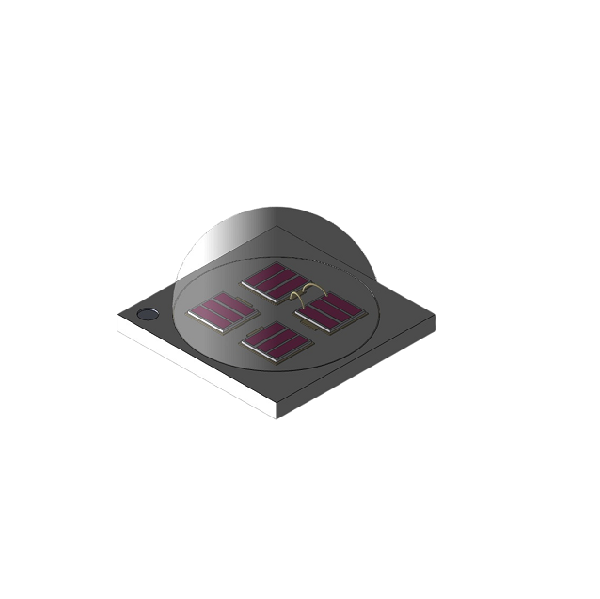
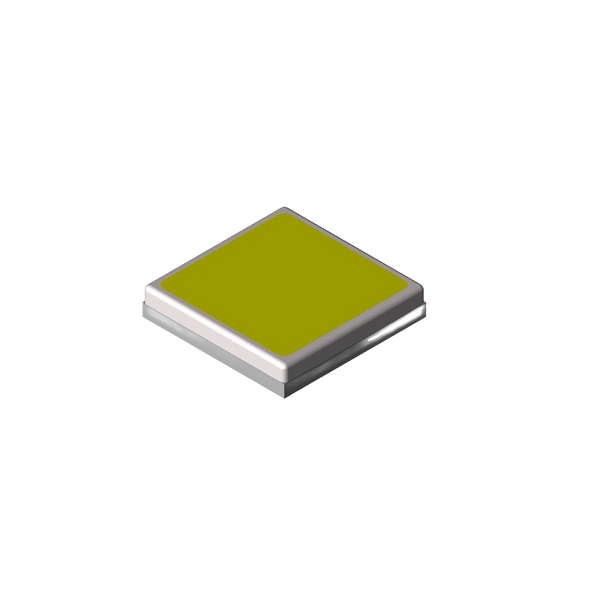
SMD LEDs are compact, energy-efficient, and versatile lighting devices that are widely used in various industries. These LEDs are mounted directly onto a printed circuit board (PCB) and are available in different sizes, shapes, and colors. The compact design of SMD LEDs allows for better heat dissipation, higher luminous efficiency, and reduced power consumption compared to traditional through-hole LEDs.
The Significance of Curing SMD LED
Curing is a crucial process in the manufacturing of SMD LEDs. It involves exposing the LED chips to high-intensity ultraviolet (UV) light, which helps to activate the chemical bonds in the LED materials. This process enhances the LED’s performance, stability, and lifespan. By curing SMD LED, manufacturers can ensure that the final product meets the desired quality standards and performs optimally under various operating conditions.
Benefits of Curing SMD LED
1. Improved Performance: Curing helps to activate the chemical bonds in the LED materials, resulting in better light output, color consistency, and efficiency. This ensures that the SMD LED operates at its maximum potential.
2. Enhanced Stability: Curing improves the stability of the LED, making it more resistant to thermal, mechanical, and electrical stresses. This increases the lifespan of the LED and reduces the likelihood of failure.
3. Increased Lifespan: Curing SMD LED can significantly extend the lifespan of the LED, as it helps to minimize the degradation of the LED materials over time. This is particularly important for applications that require long-term operation, such as outdoor lighting and automotive lighting.
4. Cost-Effective: By enhancing the performance and lifespan of SMD LEDs, curing can help reduce maintenance and replacement costs, making it a cost-effective solution for various applications.
Methods of Curing SMD LED
There are several methods of curing SMD LED, each with its unique advantages and applications:
1. UV curing: This method involves exposing the LED chips to high-intensity UV light, which activates the chemical bonds in the materials. UV curing is suitable for various types of SMD LEDs, including high-brightness, color, and infrared LEDs.
2. Ozone curing: Ozone curing utilizes ozone gas to activate the chemical bonds in the LED materials. This method is particularly effective for organic LED (OLED) devices, as it helps to improve their performance and lifespan.
3. Electron beam curing: Electron beam curing uses a high-energy electron beam to activate the chemical bonds in the LED materials. This method is suitable for high-performance and high-intensity SMD LEDs, as it provides precise control over the curing process.
4. Heat curing: Heat curing involves exposing the LED chips to high temperatures to activate the chemical bonds in the materials. This method is commonly used for ceramic and plastic-based SMD LEDs.
Challenges in Curing SMD LED
While curing SMD LED offers numerous benefits, there are certain challenges associated with the process:
1. Uniformity: Ensuring uniform curing across the entire surface of the LED chip can be challenging, as the curing process may vary depending on the LED’s size, shape, and material.
2. Temperature control: Curing SMD LED requires precise temperature control to avoid overheating or under-curing, which can affect the LED’s performance and lifespan.
3. Equipment cost: The equipment required for curing SMD LED can be expensive, particularly for high-intensity and precision curing methods.
Conclusion
Curing SMD LED is a vital process that enhances the performance, stability, and lifespan of these compact, energy-efficient lighting devices. By understanding the various methods and challenges associated with curing SMD LED, manufacturers can ensure that their products meet the desired quality standards and perform optimally under various operating conditions. As the demand for SMD LEDs continues to grow, the importance of curing in the LED manufacturing process will only increase, making it a crucial aspect of the industry’s future.
 English
 Afrikaans
 Albanian
 Amharic
 Arabic
 Armenian
 Azerbaijani
 Basque
 Belarusian
 Bengali
 Bosnian
 Bulgarian
 Catalan
 Cebuano
 Chichewa
 Corsican
 Croatian
 Czech
Czech Danish
 Dutch
Dutch Esperanto
 Estonian
 Filipino
 Finnish
 French
 Frisian
 Galician
 Georgian
 German
 Greek
Greek Gujarati
 Haitian Creole
 Hausa
Hausa Hawaiian
 Hebrew
 Hindi
Hindi Hmong
Hmong Hungarian
 Icelandic
 Igbo
Igbo Indonesian
 Irish
Irish Italian
 Japanese
 Javanese
 Kannada
 Kazakh
 Khmer
Khmer Korean
 Kurdish (Kurmanji)
 Kyrgyz
 Lao
Lao Latin
Latin Latvian
 Lithuanian
 Luxembourgish
 Macedonian
 Malagasy
 Malay
Malay Malayalam
 Maltese
 Maori
Maori Marathi
 Mongolian
 Myanmar (Burmese)
 Nepali
 Norwegian
 Pashto
 Persian
 Polish
 Portuguese
 Punjabi
 Romanian
 Russian
 Samoan
 Scottish Gaelic
 Serbian
 Sesotho
 Shona
Shona Sindhi
 Sinhala
 Slovak
 Slovenian
 Somali
 Spanish
 Sudanese
 Swahili
 Swedish
 Tajik
Tajik Tamil
Tamil Telugu
 Thai
Thai Turkish
 Ukrainian
 Urdu
Urdu Uzbek
Uzbek Vietnamese
 Welsh
Welsh Xhosa
Xhosa Yiddish
 Yoruba
 Zulu
Zulu
Explore More from Queendom Lamp
Stay updated with the latest LED technology, lighting solutions, and industry insights.
Request a Quote About Queendom