









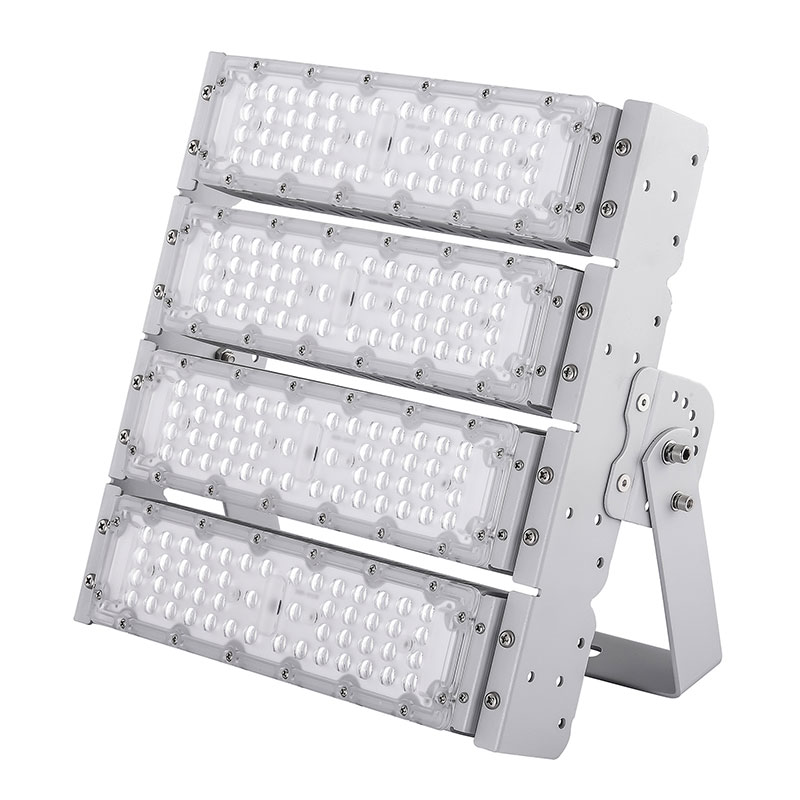


Full spectrum light bulbs and fluorescent tubes have become increasingly popular in the lighting industry due to their ability to mimic natural sunlight and provide a wide range of light wavelengths. This article delves into the world of full spectrum light bulbs and fluorescent tubes, exploring their benefits, applications, and the technology behind them.
Introduction to Full Spectrum Light Bulbs and Fluorescent Tubes
Full spectrum light bulbs and fluorescent tubes are designed to emit light across the entire visible spectrum, similar to natural sunlight. This spectrum includes all colors from red to violet, which is essential for maintaining the human body’s circadian rhythm and promoting overall health. Unlike traditional incandescent bulbs that emit light primarily in the yellow and red wavelengths, full spectrum lighting provides a more balanced and natural light experience.
Benefits of Full Spectrum Lighting
The use of full spectrum light bulbs and fluorescent tubes offers several advantages over traditional lighting options:
1. Health Benefits: Full spectrum lighting helps regulate the body’s circadian rhythm, which can improve sleep quality, increase energy levels, and reduce the risk of seasonal affective disorder (SAD).
2. Energy Efficiency: Fluorescent tubes are more energy-efficient than incandescent bulbs, leading to lower electricity bills and reduced carbon emissions.
3. Environmental Benefits: Full spectrum lighting is environmentally friendly, as it uses less energy and lasts longer than traditional bulbs.
4. Visual Clarity: The wide spectrum of light provided by full spectrum bulbs and tubes enhances visual clarity, making them ideal for tasks that require precision and concentration.
5. Color Accuracy: Full spectrum lighting helps to render colors more accurately, which is beneficial for artists, photographers, and anyone working with color-sensitive materials.
Applications of Full Spectrum Lighting
Full spectrum light bulbs and fluorescent tubes are used in various applications, including:
1. Healthcare: Hospitals and clinics use full spectrum lighting to improve patient recovery, reduce the risk of SAD, and enhance the overall well-being of patients.
2. Agriculture: Full spectrum lighting is used in indoor farming and hydroponics to mimic natural sunlight, promoting plant growth and photosynthesis.
3. Office and Educational Settings: Full spectrum lighting is beneficial in offices and schools, as it reduces eye strain and improves productivity and concentration.
4. Home Lighting: Many homeowners are choosing full spectrum lighting for their living spaces, as it provides a natural and comfortable light that can improve mood and sleep quality.
5. Art and Photography: Artists and photographers use full spectrum lighting to ensure accurate color representation and to create a natural and consistent lighting environment.
Technology Behind Full Spectrum Lighting
The technology behind full spectrum lighting involves the use of phosphors, which are substances that emit light when excited by electrons. In fluorescent tubes and bulbs, a gas-filled tube is coated with phosphors that emit light across the full spectrum when an electric current passes through the tube.
1. Phosphors: Different phosphors are used to emit light in specific wavelengths. For example, a red phosphor might be used to emit light in the red spectrum, while a blue phosphor might be used for the blue spectrum.
2. Color Rendering Index (CRI): The CRI is a measure of how accurately a light source renders colors. Full spectrum lighting typically has a high CRI, which is important for color accuracy in various applications.
3. UV and Infrared Light: Full spectrum lighting emits a small amount of UV and infrared light, which is similar to natural sunlight. However, the amount of UV and infrared light is carefully controlled to avoid potential health risks.
Conclusion
Full spectrum light bulbs and fluorescent tubes have revolutionized the lighting industry by providing a natural and energy-efficient alternative to traditional lighting options. With their numerous health, environmental, and visual benefits, full spectrum lighting is poised to become the standard in the future of lighting. As technology continues to advance, we can expect even more innovative full spectrum lighting solutions to emerge, further enhancing our daily lives and work environments.
 English
 Afrikaans
 Albanian
 Amharic
 Arabic
 Armenian
 Azerbaijani
 Basque
 Belarusian
 Bengali
 Bosnian
 Bulgarian
 Catalan
 Cebuano
 Chichewa
 Corsican
 Croatian
 Czech
Czech Danish
 Dutch
Dutch Esperanto
 Estonian
 Filipino
 Finnish
 French
 Frisian
 Galician
 Georgian
 German
 Greek
Greek Gujarati
 Haitian Creole
 Hausa
Hausa Hawaiian
 Hebrew
 Hindi
Hindi Hmong
Hmong Hungarian
 Icelandic
 Igbo
Igbo Indonesian
 Irish
Irish Italian
 Japanese
 Javanese
 Kannada
 Kazakh
 Khmer
Khmer Korean
 Kurdish (Kurmanji)
 Kyrgyz
 Lao
Lao Latin
Latin Latvian
 Lithuanian
 Luxembourgish
 Macedonian
 Malagasy
 Malay
Malay Malayalam
 Maltese
 Maori
Maori Marathi
 Mongolian
 Myanmar (Burmese)
 Nepali
 Norwegian
 Pashto
 Persian
 Polish
 Portuguese
 Punjabi
 Romanian
 Russian
 Samoan
 Scottish Gaelic
 Serbian
 Sesotho
 Shona
Shona Sindhi
 Sinhala
 Slovak
 Slovenian
 Somali
 Spanish
 Sudanese
 Swahili
 Swedish
 Tajik
Tajik Tamil
Tamil Telugu
 Thai
Thai Turkish
 Ukrainian
 Urdu
Urdu Uzbek
Uzbek Vietnamese
 Welsh
Welsh Xhosa
Xhosa Yiddish
 Yoruba
 Zulu
Zulu
Explore More from Queendom Lamp
Stay updated with the latest LED technology, lighting solutions, and industry insights.
Request a Quote About Queendom