







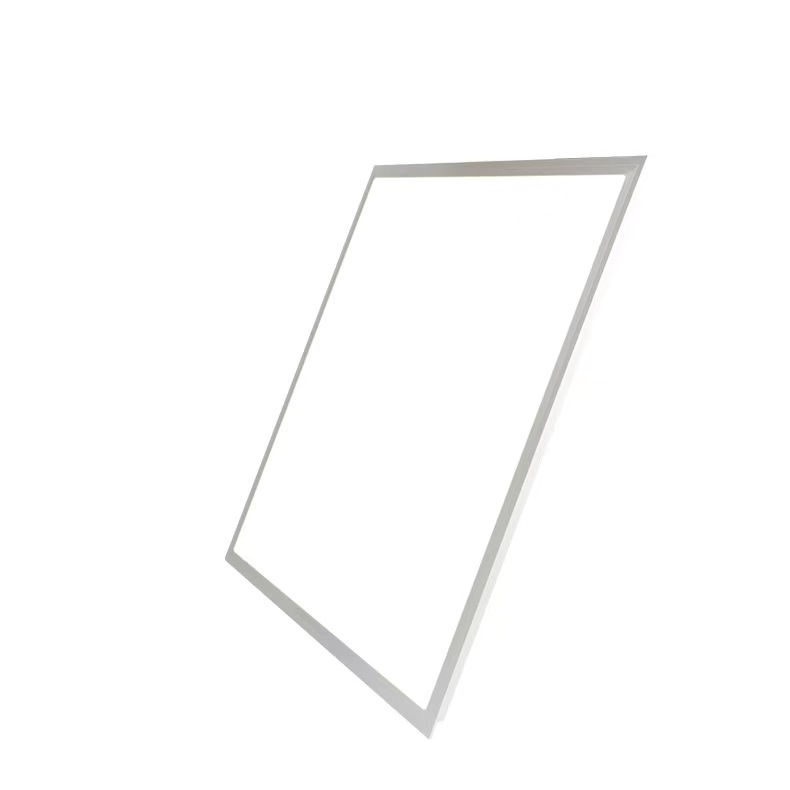
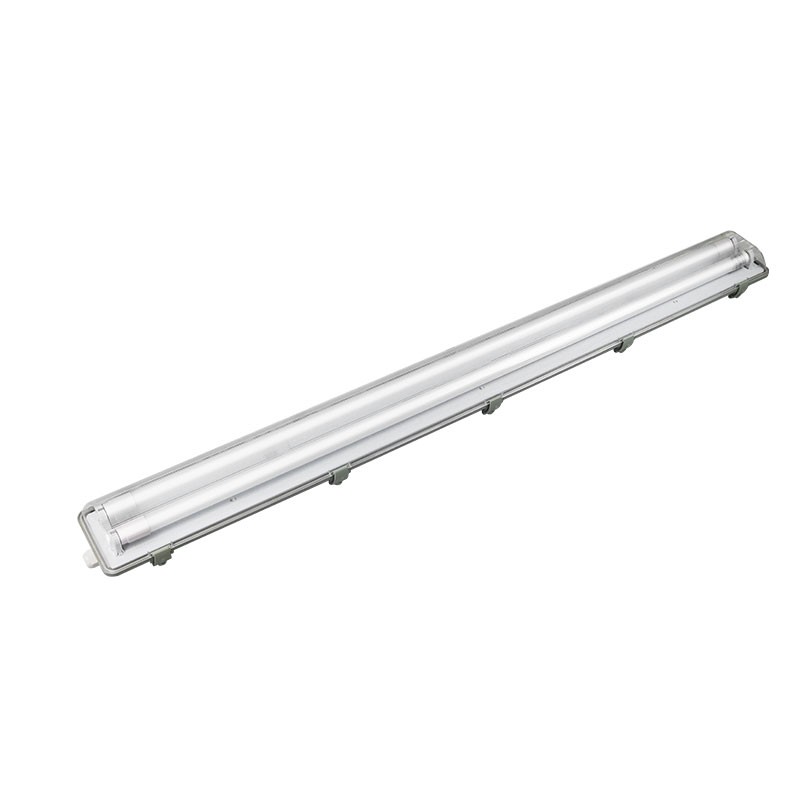
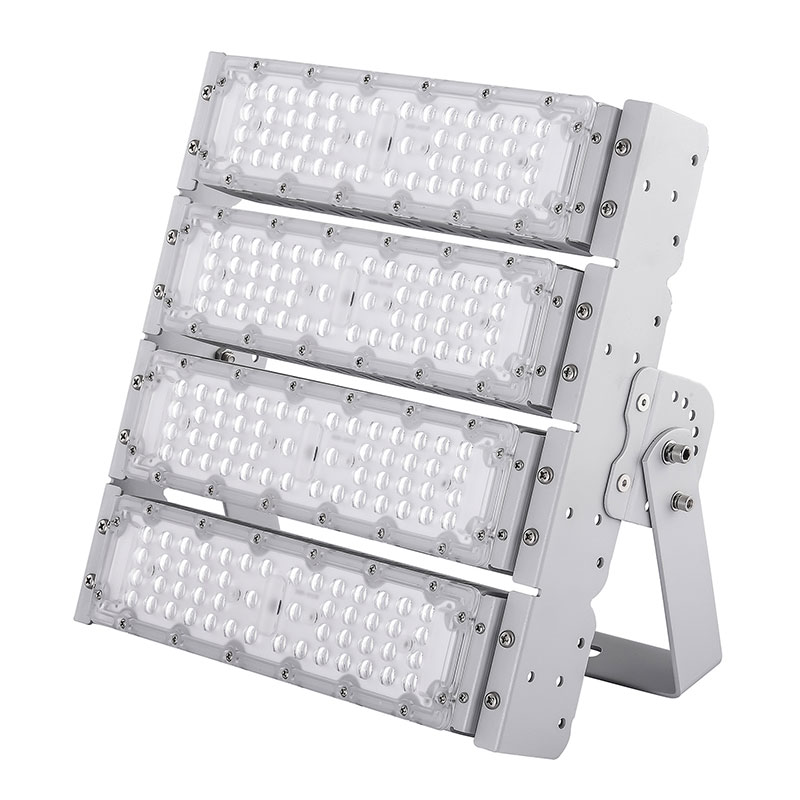


Medical light source lamp, as an essential component in the field of healthcare, plays a crucial role in various medical procedures and diagnostics. These specialized lamps are designed to emit specific wavelengths of light that are essential for medical applications, ranging from patient examination to surgical operations. This article delves into the world of medical light source lamps, exploring their types, applications, benefits, and the industry’s future prospects.
Introduction to Medical Light Source Lamps
Medical light source lamps are lighting devices that are specifically engineered to provide controlled and consistent illumination for medical environments. These lamps are distinct from standard lighting fixtures due to their specialized design, which ensures optimal performance in medical settings. The primary function of these lamps is to emit light with specific wavelengths that are beneficial for various medical applications.
Types of Medical Light Source Lamps
There are several types of medical light source lamps, each designed to cater to specific needs within the healthcare industry. Here are some of the most common types:
1. Halogen Lamps: These lamps are widely used in medical applications due to their high intensity and stable light output. They are commonly found in surgical operating rooms and patient examination areas.
2. LED Lamps: LED (Light Emitting Diode) lamps are gaining popularity in the medical field due to their energy efficiency, long lifespan, and ability to produce a wide range of light colors. They are suitable for various medical procedures, including dermatology and ophthalmology.
3. Fluorescent Lamps: These lamps are known for their ability to produce a broad spectrum of light, making them ideal for use in diagnostic imaging and pathology laboratories.
4. Mercury Vapor Lamps: These lamps emit a narrow band of light at a specific wavelength, which is useful in certain medical procedures, such as ophthalmology and dermatology.
5. Metal Halide Lamps: These lamps are known for their high color rendering index (CRI), making them suitable for applications where accurate color perception is critical, such as in dental and dermatological procedures.
Applications of Medical Light Source Lamps
Medical light source lamps find applications in a wide range of medical fields, including:
1. Surgery: Surgical operating rooms rely on medical light source lamps to provide a clear and consistent light source for surgeons during operations.
2. Diagnostics: In diagnostic imaging, such as endoscopy and microscopy, these lamps ensure that images are of high quality and accurate.
3. Dentistry: Dental procedures require precise lighting to enable dentists to examine and treat teeth and gums effectively.
4. Ophthalmology: Ophthalmologists use medical light source lamps to perform eye examinations and surgeries.
5. Dermatology: Dermatologists utilize these lamps for skin examinations and procedures, such as mole removal and laser treatments.
Benefits of Medical Light Source Lamps
The use of medical light source lamps offers several benefits, including:
1. Improved Visibility: These lamps provide a high-intensity light source that enhances visibility in medical environments, leading to more accurate diagnoses and procedures.
2. Energy Efficiency: LED lamps, in particular, are highly energy-efficient, reducing operational costs and environmental impact.
3. Longevity: Medical light source lamps, especially LED models, have a longer lifespan compared to traditional lighting options, reducing maintenance and replacement costs.
4. Safety: These lamps are designed to withstand the rigorous conditions of medical environments, including temperature fluctuations and exposure to chemicals.
Future Prospects of the Medical Light Source Lamp Industry
The medical light source lamp industry is poised for growth, driven by advancements in technology and increasing demand for specialized lighting solutions. Some key trends and future prospects include:
1. Innovation in LED Technology: Ongoing research and development in LED technology are expected to lead to more energy-efficient and cost-effective medical light source lamps.
2. Integration of Smart Features: The integration of smart features, such as remote monitoring and control, is likely to become more prevalent, enhancing the functionality and convenience of medical lighting solutions.
3. Customization and Personalization: As the healthcare industry becomes more patient-centric, there is a growing need for customized lighting solutions that cater to specific medical applications and individual patient needs.
4. Regulatory Compliance: The medical light source lamp industry will continue to be influenced by stringent regulatory standards, ensuring the safety and efficacy of these devices.
In conclusion, medical light source lamps are integral to the healthcare industry, providing essential illumination for a wide range of medical procedures and diagnostics. With ongoing technological advancements and increasing demand, the future of the medical light source lamp industry looks promising, offering improved lighting solutions that enhance patient care and operational efficiency.
 English
 Afrikaans
 Albanian
 Amharic
 Arabic
 Armenian
 Azerbaijani
 Basque
 Belarusian
 Bengali
 Bosnian
 Bulgarian
 Catalan
 Cebuano
 Chichewa
 Corsican
 Croatian
 Czech
Czech Danish
 Dutch
Dutch Esperanto
 Estonian
 Filipino
 Finnish
 French
 Frisian
 Galician
 Georgian
 German
 Greek
Greek Gujarati
 Haitian Creole
 Hausa
Hausa Hawaiian
 Hebrew
 Hindi
Hindi Hmong
Hmong Hungarian
 Icelandic
 Igbo
Igbo Indonesian
 Irish
Irish Italian
 Japanese
 Javanese
 Kannada
 Kazakh
 Khmer
Khmer Korean
 Kurdish (Kurmanji)
 Kyrgyz
 Lao
Lao Latin
Latin Latvian
 Lithuanian
 Luxembourgish
 Macedonian
 Malagasy
 Malay
Malay Malayalam
 Maltese
 Maori
Maori Marathi
 Mongolian
 Myanmar (Burmese)
 Nepali
 Norwegian
 Pashto
 Persian
 Polish
 Portuguese
 Punjabi
 Romanian
 Russian
 Samoan
 Scottish Gaelic
 Serbian
 Sesotho
 Shona
Shona Sindhi
 Sinhala
 Slovak
 Slovenian
 Somali
 Spanish
 Sudanese
 Swahili
 Swedish
 Tajik
Tajik Tamil
Tamil Telugu
 Thai
Thai Turkish
 Ukrainian
 Urdu
Urdu Uzbek
Uzbek Vietnamese
 Welsh
Welsh Xhosa
Xhosa Yiddish
 Yoruba
 Zulu
Zulu
Explore More from Queendom Lamp
Stay updated with the latest LED technology, lighting solutions, and industry insights.
Request a Quote About Queendom