



UV light for plants has become a significant topic in the field of horticulture and agriculture in recent years. With the increasing demand for high-quality and sustainable food production, researchers and farmers are exploring innovative methods to enhance plant growth and development. One such method is the use of UV light, which has been found to have various benefits for plants. This article aims to provide an in-depth introduction to the use of UV light for plants, covering its benefits, applications, and future prospects.
Introduction to UV Light for Plants
UV light, also known as ultraviolet light, is a type of electromagnetic radiation with wavelengths shorter than visible light. It is divided into three categories: UVA, UVB, and UVC. UVA has the longest wavelength and is the most common type of UV light found in the environment. UVB has a shorter wavelength and is responsible for the production of vitamin D in humans and other animals. UVC has the shortest wavelength and is generally absorbed by the Earth’s atmosphere, making it less common in the environment.
Benefits of UV Light for Plants
Research has shown that UV light can have several positive effects on plant growth and development. Some of the key benefits include:
1. Enhanced Photosynthesis
Photosynthesis is the process by which plants convert light energy into chemical energy, which is used for growth and development. UV light has been found to enhance the efficiency of photosynthesis in plants by increasing the production of chlorophyll, the pigment responsible for capturing light energy.
2. Improved Plant Immune System
UV light can stimulate the production of antioxidants and other compounds in plants, which help to protect them against various stresses, including pests, diseases, and environmental factors. This leads to stronger and more resilient plants.
3. Increased Flowering and Fruit Development
UV light has been shown to promote flowering and fruit development in certain plants. This can result in higher yields and improved quality of produce.
4. Enhanced Root Development
UV light can stimulate the growth of root systems in plants, which is crucial for nutrient absorption and overall plant health.
Applications of UV Light for Plants
The use of UV light for plants has several applications in the agricultural and horticultural industries. Some of the key applications include:
1. Greenhouses and Indoor Farming
UV light is commonly used in greenhouses and indoor farming facilities to enhance plant growth and development. By supplementing natural sunlight with UV light, farmers can achieve higher yields and better quality produce.
2. Vertical Farming
Vertical farming is a rapidly growing industry that involves growing plants in vertically stacked layers. UV light can be used to optimize plant growth in these high-density environments.
3. Aquaponics
Aquaponics is a sustainable farming system that combines aquaculture (fish farming) and hydroponics (soilless plant cultivation). UV light can be used to enhance plant growth in aquaponic systems, leading to higher yields and better quality produce.
4. Research and Development
UV light is also used in research and development to study plant biology and genetics. By exposing plants to different wavelengths of UV light, researchers can gain insights into the effects of UV radiation on plant growth and development.
Future Prospects of UV Light for Plants
The use of UV light for plants is an area of ongoing research and development. Some of the future prospects include:
1. Tailored UV Light Solutions
As research continues to uncover the specific effects of UV light on different plant species, tailored UV light solutions may be developed to optimize plant growth and development for specific crops.
2. Increased Efficiency and Sustainability
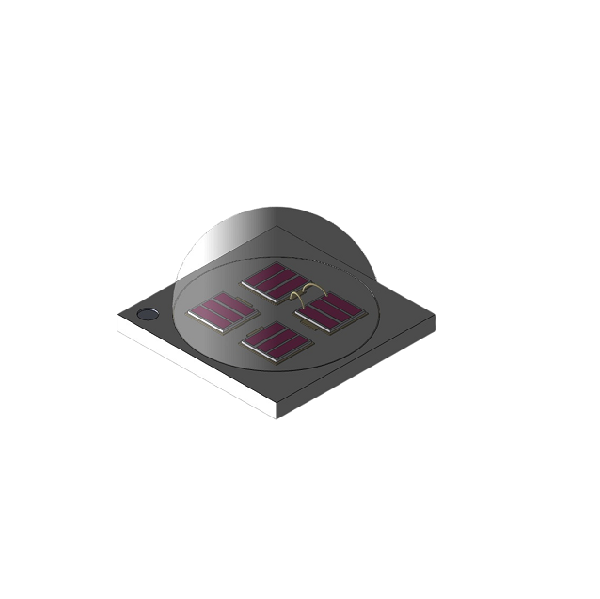
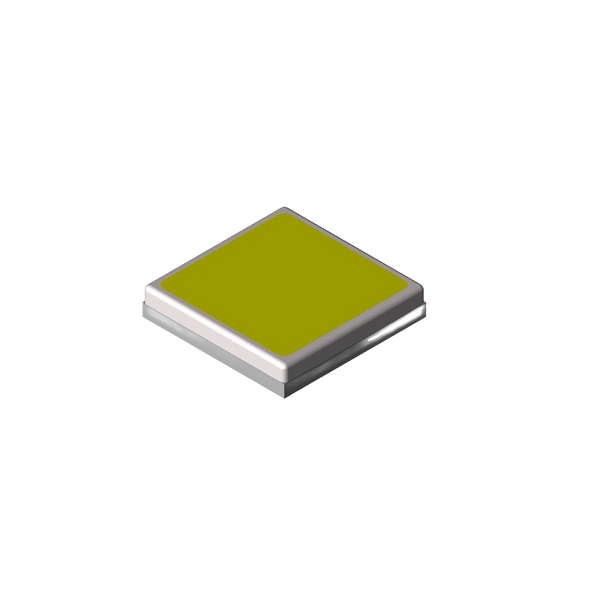
The development of more efficient and sustainable UV light systems is crucial for the widespread adoption of UV light in agriculture and horticulture. This includes the use of LED technology to produce UV light with higher efficiency and lower energy consumption.
3. Environmental Impact
The use of UV light for plants can contribute to a more sustainable and environmentally friendly approach to food production. By enhancing plant growth and reducing the need for pesticides and fertilizers, UV light can help to minimize the environmental impact of agriculture.
In conclusion, UV light for plants has emerged as a promising tool for enhancing plant growth and development in the agricultural and horticultural industries. With ongoing research and technological advancements, the use of UV light is likely to become an increasingly important aspect of sustainable food production in the future.
 English
 Afrikaans
 Albanian
 Amharic
 Arabic
 Armenian
 Azerbaijani
 Basque
 Belarusian
 Bengali
 Bosnian
 Bulgarian
 Catalan
 Cebuano
 Chichewa
 Corsican
 Croatian
 Czech
Czech Danish
 Dutch
Dutch Esperanto
 Estonian
 Filipino
 Finnish
 French
 Frisian
 Galician
 Georgian
 German
 Greek
Greek Gujarati
 Haitian Creole
 Hausa
Hausa Hawaiian
 Hebrew
 Hindi
Hindi Hmong
Hmong Hungarian
 Icelandic
 Igbo
Igbo Indonesian
 Irish
Irish Italian
 Japanese
 Javanese
 Kannada
 Kazakh
 Khmer
Khmer Korean
 Kurdish (Kurmanji)
 Kyrgyz
 Lao
Lao Latin
Latin Latvian
 Lithuanian
 Luxembourgish
 Macedonian
 Malagasy
 Malay
Malay Malayalam
 Maltese
 Maori
Maori Marathi
 Mongolian
 Myanmar (Burmese)
 Nepali
 Norwegian
 Pashto
 Persian
 Polish
 Portuguese
 Punjabi
 Romanian
 Russian
 Samoan
 Scottish Gaelic
 Serbian
 Sesotho
 Shona
Shona Sindhi
 Sinhala
 Slovak
 Slovenian
 Somali
 Spanish
 Sudanese
 Swahili
 Swedish
 Tajik
Tajik Tamil
Tamil Telugu
 Thai
Thai Turkish
 Ukrainian
 Urdu
Urdu Uzbek
Uzbek Vietnamese
 Welsh
Welsh Xhosa
Xhosa Yiddish
 Yoruba
 Zulu
Zulu