

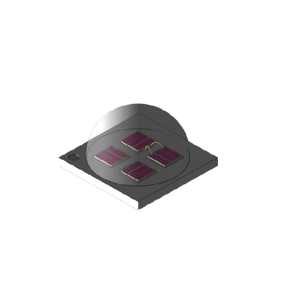
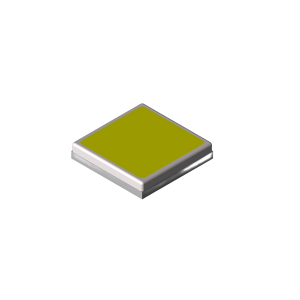

UV light for plants has become an increasingly popular topic in the horticulture industry, as gardeners and farmers seek innovative ways to enhance plant growth and development. This article delves into the world of UV lighting for plants, exploring its benefits, applications, and the science behind it.
Introduction to UV Light for Plants
UV light, or ultraviolet light, is a type of electromagnetic radiation with wavelengths shorter than visible light but longer than X-rays. When it comes to plants, UV light plays a crucial role in various physiological processes. While plants primarily use visible light for photosynthesis, UV light can stimulate growth, improve plant health, and even protect them from certain diseases.
Benefits of UV Light for Plants
1. Stimulating Growth: UV light can trigger the production of certain hormones in plants, such as auxins and cytokinins, which are essential for plant growth and development. This can lead to healthier, more robust plants with increased yields.
2. Enhancing Photosynthesis: While UV light does not directly contribute to photosynthesis, it can help optimize the process by improving the efficiency of chlorophyll and other pigments in absorbing visible light.
3. Reducing Disease: UV light can inhibit the growth of many plant pathogens, including fungi, bacteria, and viruses. This can lead to healthier plants with fewer diseases and pests.
4. Improving Plant Quality: UV light can enhance the quality of plant products, such as fruits and vegetables, by improving their color, texture, and flavor.
5. Reducing Ethylene Production: Ethylene is a plant hormone that promotes aging and ripening. UV light can reduce the production of ethylene, extending the shelf life of harvested crops.
Types of UV Light for Plants
There are three types of UV light that are commonly used in horticulture: UVA, UVB, and UVC.
1. UVA: UVA light has the longest wavelength and is the most commonly used in UV lighting for plants. It is known to stimulate growth, improve plant health, and reduce disease.
2. UVB: UVB light has a shorter wavelength than UVA and is less commonly used in horticulture. It is believed to play a role in the synthesis of vitamin D in plants and the activation of certain enzymes.
3. UVC: UVC light has the shortest wavelength and is highly germicidal. It is primarily used in sterilization and disinfection processes but can also be used to reduce plant pathogens.
Applications of UV Light for Plants
UV light for plants can be used in various applications, including:
1. Greenhouses and Grow Rooms: UV lighting is often used in controlled environments to enhance plant growth and reduce disease.
2. Outdoor Planting: UV light can be used to improve the health and yield of outdoor crops, such as fruits, vegetables, and ornamental plants.
3. Hydroponics: UV lighting is a valuable tool in hydroponic systems, where it can help optimize plant growth and reduce the risk of disease.
4. Aquaponics: UV light can be used in aquaponic systems to improve plant growth and reduce the presence of algae and other contaminants.
5. Seedling Production: UV light can be used to improve the germination rate and vigor of seedlings.
The Science Behind UV Light for Plants
The effects of UV light on plants are complex and involve various physiological processes. Some of the key mechanisms include:
1. Photomorphogenesis: UV light can induce changes in plant shape and color, known as photomorphogenesis.
2. Stimulating Hormone Production: UV light can stimulate the production of plant hormones, such as auxins, cytokinins, and abscisic acid.
3. Modulating Gene Expression: UV light can influence the expression of certain genes in plants, leading to changes in growth and development.
4. Enhancing Antioxidant Defenses: UV light can induce the production of antioxidants in plants, which help protect them from oxidative stress and damage.
Conclusion
UV light for plants has emerged as a valuable tool in the horticulture industry, offering numerous benefits for plant growth, health, and yield. As research continues to uncover the full potential of UV light, it is likely that its applications will expand further, helping to meet the growing demand for high-quality, sustainable plant products.
 English
 Afrikaans
 Albanian
 Amharic
 Arabic
 Armenian
 Azerbaijani
 Basque
 Belarusian
 Bengali
 Bosnian
 Bulgarian
 Catalan
 Cebuano
 Chichewa
 Corsican
 Croatian
 Czech
Czech Danish
 Dutch
Dutch Esperanto
 Estonian
 Filipino
 Finnish
 French
 Frisian
 Galician
 Georgian
 German
 Greek
Greek Gujarati
 Haitian Creole
 Hausa
Hausa Hawaiian
 Hebrew
 Hindi
Hindi Hmong
Hmong Hungarian
 Icelandic
 Igbo
Igbo Indonesian
 Irish
Irish Italian
 Japanese
 Javanese
 Kannada
 Kazakh
 Khmer
Khmer Korean
 Kurdish (Kurmanji)
 Kyrgyz
 Lao
Lao Latin
Latin Latvian
 Lithuanian
 Luxembourgish
 Macedonian
 Malagasy
 Malay
Malay Malayalam
 Maltese
 Maori
Maori Marathi
 Mongolian
 Myanmar (Burmese)
 Nepali
 Norwegian
 Pashto
 Persian
 Polish
 Portuguese
 Punjabi
 Romanian
 Russian
 Samoan
 Scottish Gaelic
 Serbian
 Sesotho
 Shona
Shona Sindhi
 Sinhala
 Slovak
 Slovenian
 Somali
 Spanish
 Sudanese
 Swahili
 Swedish
 Tajik
Tajik Tamil
Tamil Telugu
 Thai
Thai Turkish
 Ukrainian
 Urdu
Urdu Uzbek
Uzbek Vietnamese
 Welsh
Welsh Xhosa
Xhosa Yiddish
 Yoruba
 Zulu
Zulu
Explore More from Queendom Lamp
Stay updated with the latest LED technology, lighting solutions, and industry insights.
Request a Quote About Queendom