








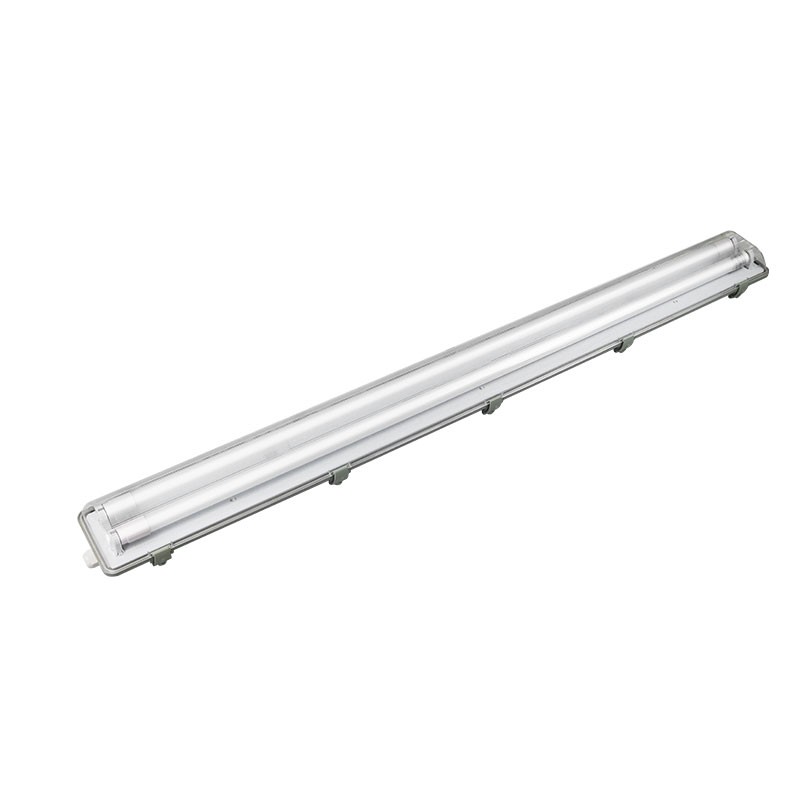
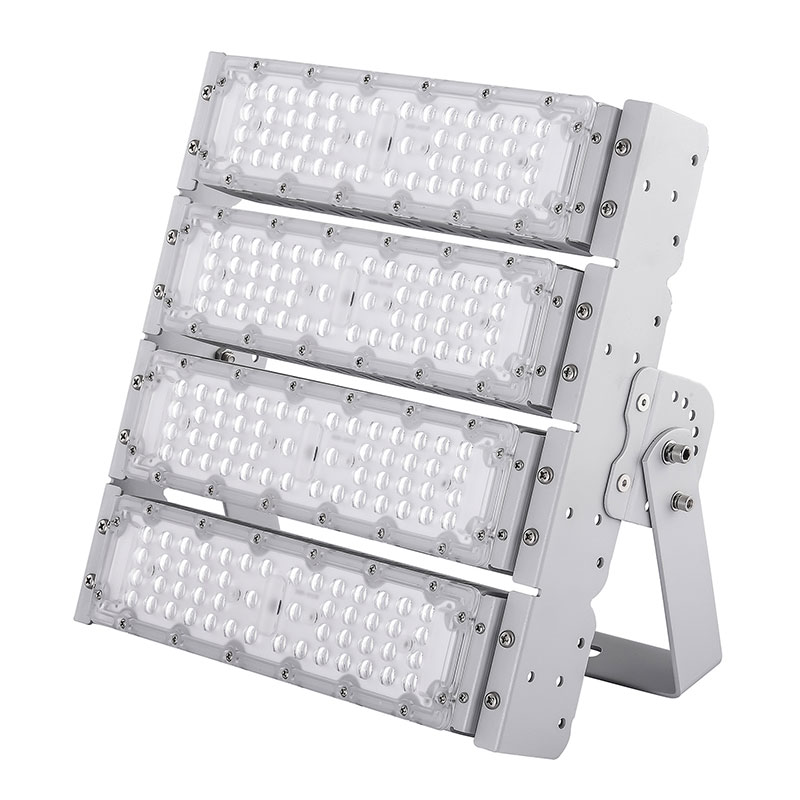


SENSOR CEILING LIGHT has become an essential component in modern smart home systems. As technology advances, the integration of sensors and lighting has revolutionized the way we interact with our living spaces. This article delves into the world of sensor ceiling light, exploring its functionality, benefits, and applications in various industries.
Introduction to Sensor Ceiling Light
Sensor ceiling light is a type of lighting system that utilizes sensors to detect motion, presence, or ambient light levels and automatically adjusts the brightness and operation of the lights accordingly. These lights are designed to provide energy-efficient and convenient lighting solutions for residential, commercial, and industrial settings.
How Sensor Ceiling Light Works
Sensor ceiling lights work on the principle of detecting changes in the environment. The most common types of sensors used in these lights include:
1. Motion Sensors: These sensors detect movement within a certain range and activate the lights when motion is detected.
2. Presence Sensors: These sensors detect the presence of people in a room and turn on the lights accordingly.
3. Light Sensors: These sensors measure the ambient light levels and adjust the brightness of the lights to match the surrounding environment.
The sensors are integrated into the lighting system, which typically consists of LED bulbs or tubes. When the sensors detect a change in the environment, they send a signal to the control unit, which then adjusts the lighting accordingly.
Benefits of Sensor Ceiling Light
Sensor ceiling lights offer numerous benefits, making them a popular choice for modern lighting solutions:
1. Energy Efficiency: By automatically adjusting the brightness and operation of the lights, sensor ceiling lights help reduce energy consumption, leading to lower electricity bills.
2. Convenience: The automated operation of sensor ceiling lights provides convenience, as users do not have to manually turn on or off the lights.
3. Safety: Sensor ceiling lights can enhance safety by providing illumination in areas where manual lighting may be difficult or impossible, such as staircases or dark hallways.
4. Aesthetics: The sleek and modern design of sensor ceiling lights complements contemporary interior designs, adding a touch of elegance to any space.
Applications of Sensor Ceiling Light
Sensor ceiling lights find applications in various industries, including:
1. Residential: In homes, sensor ceiling lights can be installed in living rooms, bedrooms, hallways, and staircases to provide energy-efficient and convenient lighting.
2. Commercial: In offices, retail spaces, and restaurants, sensor ceiling lights can help reduce energy costs and enhance the overall ambiance of the space.
3. Industrial: In factories and warehouses, sensor ceiling lights can improve safety and productivity by providing adequate illumination in areas where manual lighting may be impractical.
4. Healthcare: In hospitals and clinics, sensor ceiling lights can help create a comfortable and safe environment for patients and staff.
Types of Sensor Ceiling Light
There are several types of sensor ceiling lights available in the market, each with its unique features and benefits:
1. Motion-Sensing Ceiling Lights: These lights turn on when motion is detected and turn off after a certain period of inactivity.
2. Presence-Sensing Ceiling Lights: These lights turn on when someone enters the room and turn off when the room is empty.
3. Dimmable Ceiling Lights: These lights can be adjusted to different brightness levels, allowing users to create the desired ambiance.
4. Color-Changing Ceiling Lights: These lights can change color to match the mood or occasion.
Future Trends in Sensor Ceiling Light Technology
As technology continues to evolve, the future of sensor ceiling light technology looks promising. Some of the emerging trends include:
1. Integration with Smart Home Systems: Sensor ceiling lights are increasingly being integrated with smart home systems, allowing users to control the lights remotely via smartphones or voice assistants.
2. Advanced Sensors: The development of more advanced sensors, such as multi-sensing capabilities, will enable sensor ceiling lights to provide more accurate and efficient lighting solutions.
3. Energy Harvesting: Future sensor ceiling lights may incorporate energy-harvesting technologies, such as solar panels, to generate power from ambient light or motion, further reducing energy consumption.
In conclusion, sensor ceiling light has become an integral part of modern lighting solutions, offering energy efficiency, convenience, and safety. As technology continues to advance, the future of sensor ceiling light looks bright, with more innovative and intelligent lighting systems being developed to enhance our daily lives.
 English
 Afrikaans
 Albanian
 Amharic
 Arabic
 Armenian
 Azerbaijani
 Basque
 Belarusian
 Bengali
 Bosnian
 Bulgarian
 Catalan
 Cebuano
 Chichewa
 Corsican
 Croatian
 Czech
Czech Danish
 Dutch
Dutch Esperanto
 Estonian
 Filipino
 Finnish
 French
 Frisian
 Galician
 Georgian
 German
 Greek
Greek Gujarati
 Haitian Creole
 Hausa
Hausa Hawaiian
 Hebrew
 Hindi
Hindi Hmong
Hmong Hungarian
 Icelandic
 Igbo
Igbo Indonesian
 Irish
Irish Italian
 Japanese
 Javanese
 Kannada
 Kazakh
 Khmer
Khmer Korean
 Kurdish (Kurmanji)
 Kyrgyz
 Lao
Lao Latin
Latin Latvian
 Lithuanian
 Luxembourgish
 Macedonian
 Malagasy
 Malay
Malay Malayalam
 Maltese
 Maori
Maori Marathi
 Mongolian
 Myanmar (Burmese)
 Nepali
 Norwegian
 Pashto
 Persian
 Polish
 Portuguese
 Punjabi
 Romanian
 Russian
 Samoan
 Scottish Gaelic
 Serbian
 Sesotho
 Shona
Shona Sindhi
 Sinhala
 Slovak
 Slovenian
 Somali
 Spanish
 Sudanese
 Swahili
 Swedish
 Tajik
Tajik Tamil
Tamil Telugu
 Thai
Thai Turkish
 Ukrainian
 Urdu
Urdu Uzbek
Uzbek Vietnamese
 Welsh
Welsh Xhosa
Xhosa Yiddish
 Yoruba
 Zulu
Zulu
Explore More from Queendom Lamp
Stay updated with the latest LED technology, lighting solutions, and industry insights.
Request a Quote About Queendom