

Grow indoor garden has become a popular trend in recent years, as more and more people are discovering the benefits of growing their own food and plants indoors. With the advancement of technology and the increasing demand for fresh, organic produce, indoor gardening has emerged as a convenient and sustainable solution for urban dwellers and those with limited outdoor space. This article will provide an in-depth introduction to the industry of grow indoor garden, covering the benefits, types of gardens, essential equipment, and tips for successful indoor gardening.
Benefits of Growing Indoor Garden
There are numerous benefits to growing an indoor garden, making it an attractive option for many. Some of the key advantages include:
- Year-round fresh produce: Indoor gardens allow you to grow a variety of vegetables, herbs, and fruits all year round, regardless of the weather conditions outside.
- Reduced carbon footprint: Growing your own food at home can significantly reduce your carbon footprint by minimizing the need for transportation and packaging.
- Enhanced mental health: Studies have shown that gardening can help reduce stress, anxiety, and depression, as well as improve overall mental well-being.
- Increased air quality: Indoor plants can help purify the air by absorbing harmful toxins and releasing oxygen.
- Encourages self-sufficiency: Growing your own food can promote self-sufficiency and a sense of accomplishment.
Types of Indoor Gardens
There are various types of indoor gardens that cater to different needs and preferences. Here are some popular types:
- Container gardening: This involves growing plants in pots, containers, or other receptacles. It’s ideal for small spaces and can be placed on windowsills, shelves, or countertops.
- Vertical gardening: Vertical gardens are a space-saving option that utilizes walls, trellises, or hanging systems to grow plants vertically. This is particularly beneficial for urban dwellers with limited space.
- Hydroponic gardening: Hydroponic systems use water and nutrients to grow plants without soil. This method is highly efficient and can produce plants faster than traditional soil-based gardening.
- Sprouting and microgreen gardening: Sprouting and microgreen gardening involves growing plants from seeds in a short period, usually a few days to a few weeks. This method is excellent for quick and nutrient-rich additions to salads and sandwiches.
Essential Equipment for Indoor Gardening
Successful indoor gardening requires the right equipment to ensure optimal growth and health of your plants. Here are some essential items to consider:
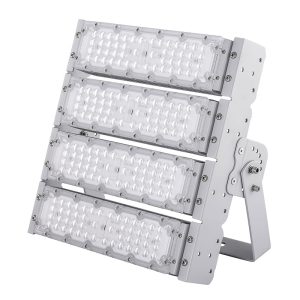
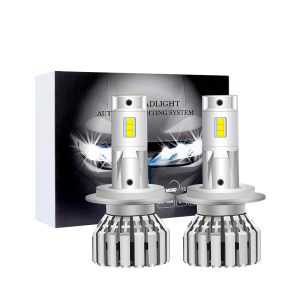
- Grow lights: Plants require light to grow, and grow lights can be used to provide the necessary light spectrum for photosynthesis.
- Hydroponic systems or pots and soil: Depending on your chosen method, you’ll need either a hydroponic system or pots filled with soil to grow your plants.
- Watering system: A watering system, such as an automated timer or drip irrigation, can help ensure your plants receive the right amount of water at the right time.
- Fertilizers and nutrients: Your plants will require nutrients to grow, and fertilizers or nutrient solutions can provide these essential elements.
- Temperature and humidity controls: Maintaining the right temperature and humidity levels is crucial for the health of your plants, especially in colder or hotter climates.
- Pruning shears and tools: Regular pruning and maintenance will help your plants grow healthy and strong.
Tips for Successful Indoor Gardening
Following these tips can help you achieve success in your indoor gardening endeavors:
- Choose the right plants: Some plants are better suited for indoor growth than others. Research the needs of the plants you want to grow and choose ones that thrive in indoor environments.
- Provide proper lighting: Ensure your plants receive adequate light, either through natural sunlight or grow lights.
- Monitor temperature and humidity: Keep your plants in a comfortable environment with the right temperature and humidity levels.
- Water regularly: Consistent watering is crucial for plant growth, but be careful not to overwater.
- Prune and maintain your plants: Regular pruning and maintenance will help your plants grow healthy and strong.
- Stay informed: Keep up-to-date with the latest information and tips on indoor gardening to ensure your success.
Conclusion
Grow indoor garden has become an increasingly popular trend, offering numerous benefits to those who want to grow their own food and plants at home. By understanding the different types of indoor gardens, essential equipment, and tips for success, you can create a thriving indoor garden that brings fresh produce, beauty, and well-being into your home. Embrace the world of indoor gardening and enjoy the rewarding experience of growing your own food and plants, no matter where you live.
 English
 Afrikaans
 Albanian
 Amharic
 Arabic
 Armenian
 Azerbaijani
 Basque
 Belarusian
 Bengali
 Bosnian
 Bulgarian
 Catalan
 Cebuano
 Chichewa
 Corsican
 Croatian
 Czech
Czech Danish
 Dutch
Dutch Esperanto
 Estonian
 Filipino
 Finnish
 French
 Frisian
 Galician
 Georgian
 German
 Greek
Greek Gujarati
 Haitian Creole
 Hausa
Hausa Hawaiian
 Hebrew
 Hindi
Hindi Hmong
Hmong Hungarian
 Icelandic
 Igbo
Igbo Indonesian
 Irish
Irish Italian
 Japanese
 Javanese
 Kannada
 Kazakh
 Khmer
Khmer Korean
 Kurdish (Kurmanji)
 Kyrgyz
 Lao
Lao Latin
Latin Latvian
 Lithuanian
 Luxembourgish
 Macedonian
 Malagasy
 Malay
Malay Malayalam
 Maltese
 Maori
Maori Marathi
 Mongolian
 Myanmar (Burmese)
 Nepali
 Norwegian
 Pashto
 Persian
 Polish
 Portuguese
 Punjabi
 Romanian
 Russian
 Samoan
 Scottish Gaelic
 Serbian
 Sesotho
 Shona
Shona Sindhi
 Sinhala
 Slovak
 Slovenian
 Somali
 Spanish
 Sudanese
 Swahili
 Swedish
 Tajik
Tajik Tamil
Tamil Telugu
 Thai
Thai Turkish
 Ukrainian
 Urdu
Urdu Uzbek
Uzbek Vietnamese
 Welsh
Welsh Xhosa
Xhosa Yiddish
 Yoruba
 Zulu
Zulu
Explore More from Queendom Lamp
Stay updated with the latest LED technology, lighting solutions, and industry insights.
Request a Quote About Queendom