
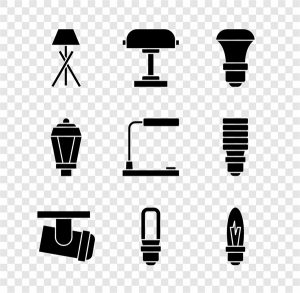
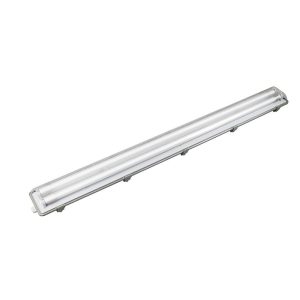
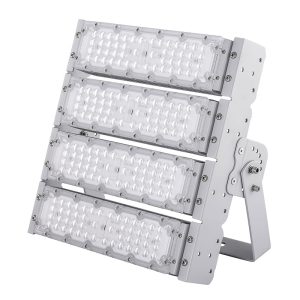
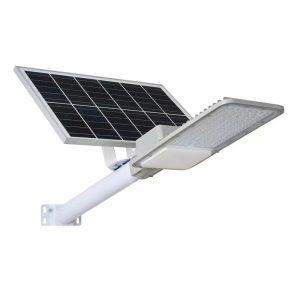
Lighting ceiling lights have been an integral part of interior design for centuries, providing both functionality and aesthetic appeal to spaces. From the simple, elegant chandeliers of the Renaissance to the modern, sleek LED ceiling lights of today, the evolution of ceiling lighting has been a testament to human ingenuity and technological advancements. This article aims to provide a comprehensive introduction to the industry of lighting ceiling lights, exploring the history, types, applications, and future trends in this dynamic field.
History of Ceiling Lighting
The history of ceiling lighting dates back to ancient civilizations, where early forms of lighting were used to illuminate homes and buildings. In ancient Egypt, candles and torches were commonly used, while in ancient Rome, oil lamps and lanterns were prevalent. The Middle Ages saw the introduction of glass windows, which allowed for natural light to enter buildings, but artificial lighting was still necessary for nighttime illumination.
During the Renaissance, the art of glassmaking and metalworking reached new heights, leading to the creation of intricate chandeliers and lanterns. These pieces were not only functional but also served as status symbols, showcasing the wealth and power of their owners. The Industrial Revolution brought about significant advancements in lighting technology, with the invention of the electric light bulb by Thomas Edison in 1879 revolutionizing the way we illuminate our spaces.
Types of Ceiling Lighting
Today, there are numerous types of ceiling lighting available, each with its unique design and functionality. Some of the most popular types include:
1. Chandeliers: Chandeliers are often the centerpiece of a room, featuring multiple arms and bulbs. They come in various styles, from the ornate and opulent to the minimalist and modern.
2. Pendant Lights: Pendant lights hang from the ceiling and are available in various shapes, sizes, and materials. They are perfect for illuminating a specific area or as a decorative element.
3. Recessed Lighting: Recessed lighting is installed flush with the ceiling, creating a sleek and modern look. It is ideal for providing general lighting in large open spaces or for highlighting specific features.
4. Ceiling Fans with Lights: Ceiling fans with lights combine the functionality of a fan with the convenience of ceiling lighting. They are popular in warmer climates and can help to reduce energy consumption.
5. Track Lighting: Track lighting consists of a series of fixtures mounted on a track, allowing for easy adjustment of the direction and intensity of the light. It is often used in retail spaces and art galleries.
Applications of Ceiling Lighting
Ceiling lighting is used in a wide range of settings, from residential homes to commercial buildings and public spaces. Some of the most common applications include:
1. Residential Homes: Ceiling lighting is a crucial element in residential interior design, providing both functional and decorative lighting. It can create a warm and inviting atmosphere, as well as highlight architectural features and artwork.
2. Commercial Buildings: Ceiling lighting is essential in commercial settings, such as offices, retail spaces, and restaurants. It not only provides adequate illumination for daily activities but also contributes to the overall ambiance and brand image.
3. Public Spaces: Ceiling lighting is used in public spaces, such as schools, hospitals, and airports, to ensure safety and comfort for visitors. It also plays a significant role in creating a welcoming and inviting atmosphere.
4. Outdoor Spaces: Outdoor ceiling lighting, such as streetlights and garden lights, is crucial for providing safety and security in public areas. It also adds to the aesthetic appeal of outdoor spaces, such as parks and courtyards.
Future Trends in Ceiling Lighting
The ceiling lighting industry is continuously evolving, with new technologies and design trends emerging regularly. Some of the future trends in ceiling lighting include:
1. Smart Lighting: Smart lighting systems allow users to control their ceiling lights via a smartphone or other smart devices. These systems can be programmed to adjust the brightness, color, and intensity of the light, providing personalized lighting experiences.
2. Energy Efficiency: As environmental concerns continue to grow, energy-efficient lighting solutions are becoming increasingly popular. LED ceiling lights, in particular, offer significant energy savings compared to traditional incandescent bulbs.
3. Customization: Customizable ceiling lighting solutions are becoming more accessible, allowing homeowners and businesses to create unique lighting designs that reflect their personal style and preferences.
4. Integration with Other Systems: Ceiling lighting is increasingly being integrated with other smart home systems, such as security and climate control, to provide a seamless and efficient experience.
In conclusion, lighting ceiling lights have come a long way since their inception in ancient civilizations. The industry has evolved to offer a wide range of lighting solutions that cater to the diverse needs of homeowners, businesses, and public spaces. As technology continues to advance, we can expect to see even more innovative and energy-efficient ceiling lighting options in the future.
 English
 Afrikaans
 Albanian
 Amharic
 Arabic
 Armenian
 Azerbaijani
 Basque
 Belarusian
 Bengali
 Bosnian
 Bulgarian
 Catalan
 Cebuano
 Chichewa
 Corsican
 Croatian
 Czech
Czech Danish
 Dutch
Dutch Esperanto
 Estonian
 Filipino
 Finnish
 French
 Frisian
 Galician
 Georgian
 German
 Greek
Greek Gujarati
 Haitian Creole
 Hausa
Hausa Hawaiian
 Hebrew
 Hindi
Hindi Hmong
Hmong Hungarian
 Icelandic
 Igbo
Igbo Indonesian
 Irish
Irish Italian
 Japanese
 Javanese
 Kannada
 Kazakh
 Khmer
Khmer Korean
 Kurdish (Kurmanji)
 Kyrgyz
 Lao
Lao Latin
Latin Latvian
 Lithuanian
 Luxembourgish
 Macedonian
 Malagasy
 Malay
Malay Malayalam
 Maltese
 Maori
Maori Marathi
 Mongolian
 Myanmar (Burmese)
 Nepali
 Norwegian
 Pashto
 Persian
 Polish
 Portuguese
 Punjabi
 Romanian
 Russian
 Samoan
 Scottish Gaelic
 Serbian
 Sesotho
 Shona
Shona Sindhi
 Sinhala
 Slovak
 Slovenian
 Somali
 Spanish
 Sudanese
 Swahili
 Swedish
 Tajik
Tajik Tamil
Tamil Telugu
 Thai
Thai Turkish
 Ukrainian
 Urdu
Urdu Uzbek
Uzbek Vietnamese
 Welsh
Welsh Xhosa
Xhosa Yiddish
 Yoruba
 Zulu
Zulu
Explore More from Queendom Lamp
Stay updated with the latest LED technology, lighting solutions, and industry insights.
Request a Quote About Queendom