






Introduction to SMD LED Soldering
What is SMD LED Soldering?
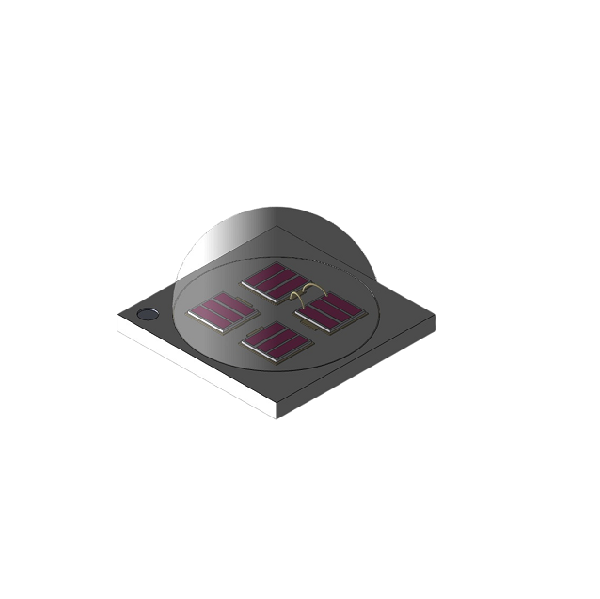
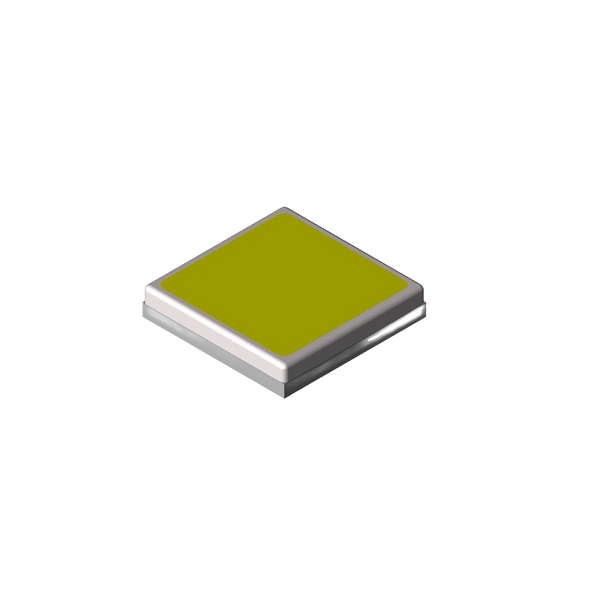
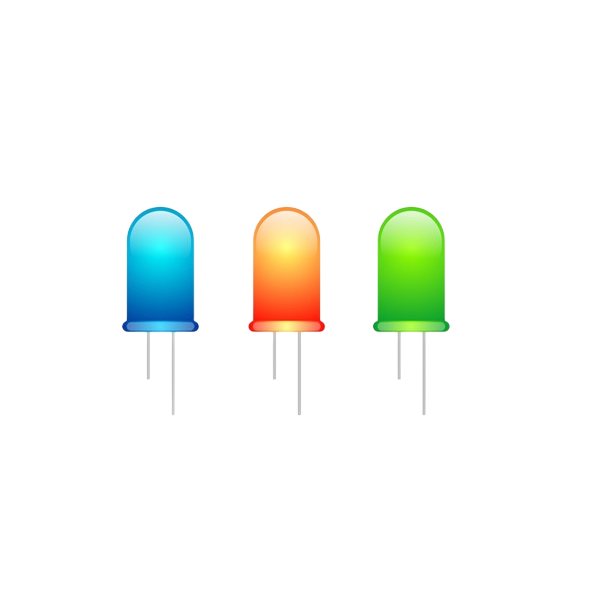
Surface Mount Device (SMD) LED soldering is a critical process in the electronics manufacturing industry, particularly for the production of LED lighting products. SMD LEDs, or Light Emitting Diodes, are compact, energy-efficient light sources that are widely used in various applications, from general lighting to digital displays. The process of SMD LED soldering involves attaching these tiny components to a printed circuit board (PCB) using precise techniques to ensure reliable electrical connections and optimal performance.
Importance of SMD LED Soldering
The significance of SMD LED soldering cannot be overstated, as it directly impacts the quality and longevity of LED products. Proper soldering techniques are essential to prevent issues such as thermal stress, electrical shorts, and mechanical damage, which can lead to product failure. With the increasing demand for energy-efficient lighting solutions, the precision and reliability of SMD LED soldering have become more crucial than ever.
Process of SMD LED Soldering
The SMD LED soldering process typically involves several steps, each requiring precision and attention to detail:
1. Preparation: Before beginning the soldering process, the PCB must be thoroughly cleaned to remove any contaminants that could interfere with the soldering process. This is crucial for ensuring a strong, reliable bond between the SMD LED and the PCB.
2. Positioning: The SMD LED is then positioned on the PCB using a pick-and-place machine, which is designed to handle the small size and delicate nature of SMD components. The machine places the LED in the correct location with high accuracy.
3. Solder Paste Application: Solder paste is applied to the pads on the PCB where the SMD LED will be attached. The solder paste contains tiny solder balls that will melt and form a bond between the LED and the PCB.
4. Reflow Soldering: The PCB with the SMD LED and solder paste is then subjected to reflow soldering. This process involves heating the PCB to a specific temperature that melts the solder paste, allowing it to flow and create a connection between the LED and the PCB. The temperature and duration of the reflow process are carefully controlled to ensure the best results.
5. Inspection: After reflow soldering, the PCB is inspected to ensure that the SMD LED is properly attached and that the solder joints are of high quality. This may involve visual inspection, automated optical inspection (AOI), or other quality control methods.
6. Cooling: Once the inspection is complete, the PCB is allowed to cool down to room temperature. This cooling process is important to prevent any thermal stress that could damage the components.
Techniques Used in SMD LED Soldering
Several techniques are employed in SMD LED soldering to ensure the best possible results:
1. Hot Air Soldering: This technique uses a hot air gun to melt the solder paste and create the solder joint. It is a common method for small-scale production and prototyping.
2. Reflow Soldering: As mentioned earlier, reflow soldering involves heating the PCB to melt the solder paste. This method is suitable for larger-scale production due to its efficiency and consistency.
3. Wave Soldering: Wave soldering is a more traditional method that involves passing the PCB through a wave of molten solder. This method is less precise and is generally used for larger components or in situations where the PCB is not flat.
4. Soldering Paste Stencils: To ensure accurate application of solder paste, a solder paste stencil is used. This stencil has openings that match the placement of the SMD LEDs on the PCB, allowing for precise and consistent application of the solder paste.
Challenges in SMD LED Soldering
Despite the advancements in technology, SMD LED soldering still presents several challenges:
1. Size and Complexity: SMD LEDs are extremely small, which makes them difficult to handle and place accurately. Additionally, the complexity of modern PCBs with numerous components can complicate the soldering process.
2. Thermal Management: Proper thermal management is crucial to prevent overheating and damage to the SMD LEDs. The reflow process must be carefully controlled to ensure that the temperature is high enough to melt the solder paste but not so high as to damage the components.
3. Quality Control: Ensuring the quality of the solder joints is a significant challenge. Any defects in the soldering process can lead to product failure, so rigorous quality control measures are essential.
Future Trends in SMD LED Soldering
The future of SMD LED soldering is likely to be shaped by several trends:
1. Automated Soldering: The use of automated machines for SMD LED soldering is expected to increase, as these machines can provide consistent and repeatable results, which are crucial for high-volume production.
2. Advanced Materials: The development of new materials, such as lead-free solders and thermal interface materials, may improve the performance and reliability of SMD LED soldering.
3. Miniaturization: As SMD components continue to shrink in size, the precision required for soldering will increase. This will necessitate the development of new techniques and tools to handle these tiny components.
In conclusion, SMD LED soldering is a critical process in the electronics manufacturing industry, with significant implications for the quality and performance of LED products. As technology continues to advance, the challenges and opportunities in SMD LED soldering will evolve, requiring manufacturers to stay abreast of the latest techniques and trends to ensure the highest standards of quality and efficiency.
 English
 Afrikaans
 Albanian
 Amharic
 Arabic
 Armenian
 Azerbaijani
 Basque
 Belarusian
 Bengali
 Bosnian
 Bulgarian
 Catalan
 Cebuano
 Chichewa
 Corsican
 Croatian
 Czech
Czech Danish
 Dutch
Dutch Esperanto
 Estonian
 Filipino
 Finnish
 French
 Frisian
 Galician
 Georgian
 German
 Greek
Greek Gujarati
 Haitian Creole
 Hausa
Hausa Hawaiian
 Hebrew
 Hindi
Hindi Hmong
Hmong Hungarian
 Icelandic
 Igbo
Igbo Indonesian
 Irish
Irish Italian
 Japanese
 Javanese
 Kannada
 Kazakh
 Khmer
Khmer Korean
 Kurdish (Kurmanji)
 Kyrgyz
 Lao
Lao Latin
Latin Latvian
 Lithuanian
 Luxembourgish
 Macedonian
 Malagasy
 Malay
Malay Malayalam
 Maltese
 Maori
Maori Marathi
 Mongolian
 Myanmar (Burmese)
 Nepali
 Norwegian
 Pashto
 Persian
 Polish
 Portuguese
 Punjabi
 Romanian
 Russian
 Samoan
 Scottish Gaelic
 Serbian
 Sesotho
 Shona
Shona Sindhi
 Sinhala
 Slovak
 Slovenian
 Somali
 Spanish
 Sudanese
 Swahili
 Swedish
 Tajik
Tajik Tamil
Tamil Telugu
 Thai
Thai Turkish
 Ukrainian
 Urdu
Urdu Uzbek
Uzbek Vietnamese
 Welsh
Welsh Xhosa
Xhosa Yiddish
 Yoruba
 Zulu
Zulu
Explore More from Queendom Lamp
Stay updated with the latest LED technology, lighting solutions, and industry insights.
Request a Quote About Queendom