








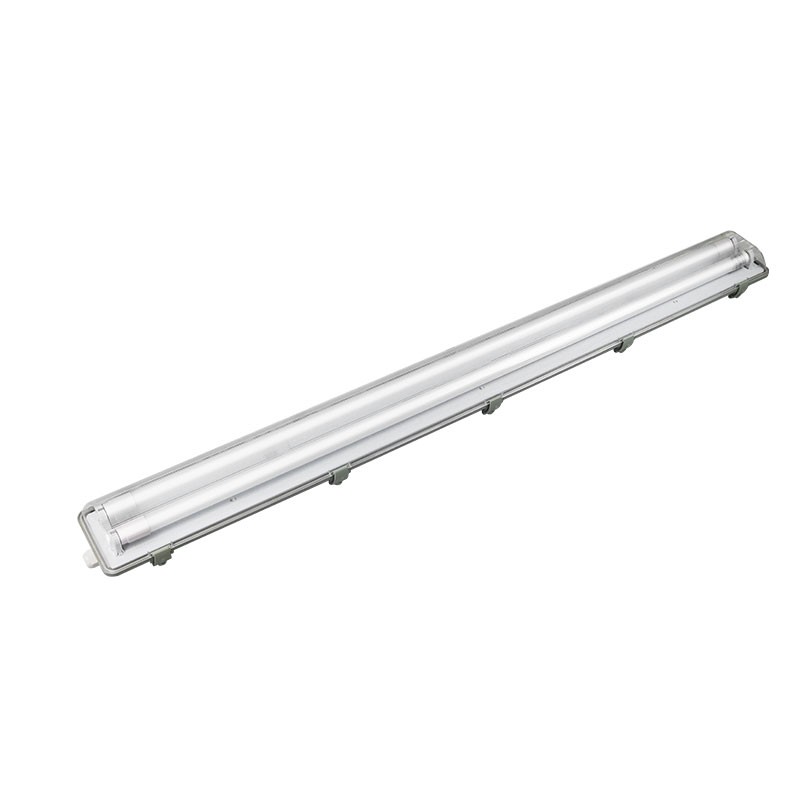
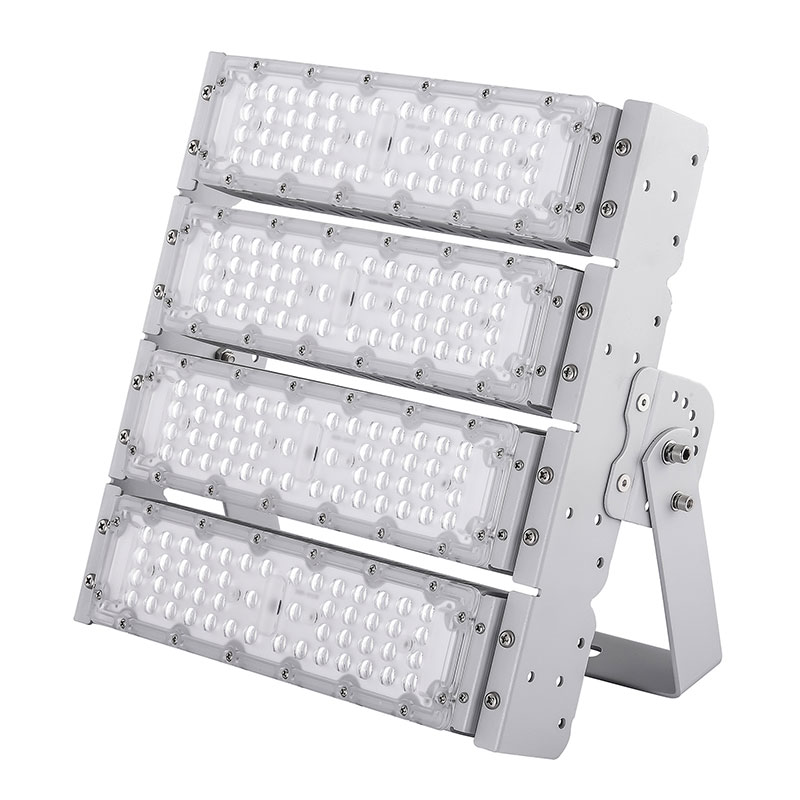


LED for medical devices has emerged as a pivotal technology in the healthcare industry, offering innovative solutions for diagnostics, treatment, and patient care. As LED technology continues to advance, its applications in medical devices have expanded significantly, leading to improved patient outcomes and enhanced medical procedures. This article delves into the various aspects of LED technology in medical devices, exploring its benefits, applications, and future trends.
Introduction to LED Technology in Medical Devices
LEDs, or Light Emitting Diodes, are semiconductor devices that emit light when an electric current passes through them. In medical devices, LEDs are used for a variety of purposes, including illumination, imaging, and therapy. The versatility and efficiency of LEDs make them a preferred choice for medical applications.
Benefits of LED Technology in Medical Devices
The use of LED technology in medical devices offers several advantages over traditional lighting sources:
– Energy Efficiency: LEDs consume significantly less power compared to incandescent bulbs, making them more energy-efficient and cost-effective.
– Longevity: LEDs have a longer lifespan than traditional bulbs, reducing maintenance and replacement costs.
– Heat Output: LEDs generate less heat, which is crucial in medical environments where patient safety is paramount.
– Color Range: LEDs can emit a wide range of colors, allowing for precise control and customization in medical applications.
Applications of LED Technology in Medical Devices
LEDs are employed in various medical devices across different disciplines:
– Illumination: LEDs are widely used for surgical illumination, providing surgeons with clear and focused lighting for precise procedures.
– Imaging: In diagnostic imaging devices, LEDs are used to illuminate the area being examined, enhancing image quality and reducing the need for contrast agents.
– Therapy: LEDs are utilized in phototherapy devices for treating various medical conditions, such as jaundice in newborns and psoriasis.
– Monitoring: LEDs are used in patient monitoring devices to indicate vital signs, such as heart rate and blood pressure.
LEDs in Ophthalmic Devices
In the field of ophthalmology, LEDs play a crucial role in diagnostic and treatment devices:
– Retinal Cameras: LEDs provide the necessary illumination for retinal imaging, enabling early detection of eye diseases.
– Laser Treatment Devices: LEDs are used to power laser treatment devices for conditions like cataracts and glaucoma.
– Photocoagulation Devices: LEDs are utilized in photocoagulation devices for treating retinal conditions by targeting specific areas with precision.
LEDs in Dental Devices
LED technology is also extensively used in dental applications:
– Endodontic Devices: LEDs are used in dental drills and other endodontic instruments, providing illumination for better visibility during procedures.
– Lasers: Dental lasers powered by LEDs are used for a variety of treatments, including gum surgery and tooth whitening.
– Photodynamic Therapy (PDT): LEDs are employed in PDT devices for treating dental infections and diseases.
LEDs in Wound Care Devices
LED technology is increasingly being integrated into wound care devices:
– Phototherapy: LEDs are used in phototherapy devices to promote wound healing by stimulating cell growth and reducing inflammation.
– Illumination: LEDs provide illumination for wound inspection and cleaning, enabling healthcare professionals to monitor the healing process effectively.
Future Trends in LED Technology for Medical Devices
The future of LED technology in medical devices looks promising, with several emerging trends:
– Miniaturization: Advances in LED technology are leading to smaller, more compact medical devices, enhancing patient comfort and convenience.
– Customization: LEDs can be tailored to specific wavelengths and intensities, allowing for more precise and targeted treatments.
– Integration: The integration of LEDs with other technologies, such as AI and IoT, is expected to revolutionize the healthcare industry by enabling remote monitoring and personalized care.
Conclusion
LED technology has become an indispensable component in medical devices, offering numerous benefits and applications that enhance patient care and improve medical outcomes. As the technology continues to evolve, we can expect to see even more innovative uses of LEDs in the healthcare sector, paving the way for a brighter future in medicine.
 English
 Afrikaans
 Albanian
 Amharic
 Arabic
 Armenian
 Azerbaijani
 Basque
 Belarusian
 Bengali
 Bosnian
 Bulgarian
 Catalan
 Cebuano
 Chichewa
 Corsican
 Croatian
 Czech
Czech Danish
 Dutch
Dutch Esperanto
 Estonian
 Filipino
 Finnish
 French
 Frisian
 Galician
 Georgian
 German
 Greek
Greek Gujarati
 Haitian Creole
 Hausa
Hausa Hawaiian
 Hebrew
 Hindi
Hindi Hmong
Hmong Hungarian
 Icelandic
 Igbo
Igbo Indonesian
 Irish
Irish Italian
 Japanese
 Javanese
 Kannada
 Kazakh
 Khmer
Khmer Korean
 Kurdish (Kurmanji)
 Kyrgyz
 Lao
Lao Latin
Latin Latvian
 Lithuanian
 Luxembourgish
 Macedonian
 Malagasy
 Malay
Malay Malayalam
 Maltese
 Maori
Maori Marathi
 Mongolian
 Myanmar (Burmese)
 Nepali
 Norwegian
 Pashto
 Persian
 Polish
 Portuguese
 Punjabi
 Romanian
 Russian
 Samoan
 Scottish Gaelic
 Serbian
 Sesotho
 Shona
Shona Sindhi
 Sinhala
 Slovak
 Slovenian
 Somali
 Spanish
 Sudanese
 Swahili
 Swedish
 Tajik
Tajik Tamil
Tamil Telugu
 Thai
Thai Turkish
 Ukrainian
 Urdu
Urdu Uzbek
Uzbek Vietnamese
 Welsh
Welsh Xhosa
Xhosa Yiddish
 Yoruba
 Zulu
Zulu