

LED chip for UV sterilizer has become a crucial component in the fight against various pathogens and contaminants. With the increasing awareness of hygiene and the need for effective sterilization solutions, the demand for UV sterilizers has surged. This article delves into the technology behind the LED chip for UV sterilizer, its applications, and the benefits it offers.
Introduction to LED Chip for UV Sterilizer
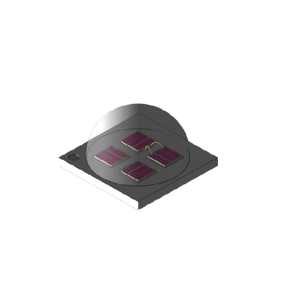
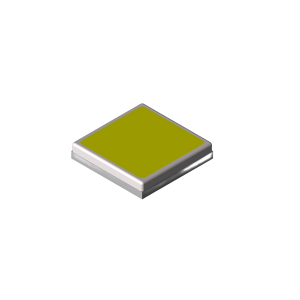
LED chips for UV sterilization are specialized light-emitting diodes that emit ultraviolet (UV) light. UV light has been known for its germicidal properties for decades, and LED technology has revolutionized the way UV sterilization is implemented. These chips are designed to emit UV-C light, which is the most effective wavelength for sterilization.
How UV Light Works in Sterilization
UV light has the ability to destroy the DNA of microorganisms such as bacteria, viruses, and fungi. When UV-C light is absorbed by the nucleic acids in these organisms, it causes damage that prevents them from replicating and, ultimately, leads to their death. This process is known as photolysis.
Benefits of LED Chip for UV Sterilizer
The use of LED chips for UV sterilization offers several advantages over traditional UV lamps:
– Energy Efficiency: LED chips consume significantly less energy compared to traditional UV lamps, making them more cost-effective and environmentally friendly.
– Longevity: LED chips have a longer lifespan, which reduces maintenance and replacement costs.
– Size and Flexibility: LED chips are compact and can be integrated into various devices and spaces, making them versatile for different applications.
– Targeted Sterilization: LED chips can be designed to emit UV light in specific patterns, allowing for targeted sterilization without affecting the surrounding environment.
Applications of LED Chip for UV Sterilizer
The applications of LED chip for UV sterilizer are vast and diverse:
– Healthcare: UV sterilizers using LED chips are used in hospitals and clinics to sterilize medical equipment, surgical instruments, and patient rooms.
– Water Purification: UV sterilization is employed in water treatment plants to eliminate harmful pathogens and ensure potable water.
– Food Industry: LED UV sterilizers are used in food processing facilities to sanitize surfaces, packaging, and water sources, reducing the risk of foodborne illnesses.
– Environmental Protection: UV sterilization can be used to treat wastewater and reduce the presence of harmful microorganisms before it is released back into the environment.
– Consumer Products: UV sterilizers are integrated into consumer products such as mobile phones, laptops, and personal care devices to kill germs and prevent infections.
Technology and Design of LED Chip for UV Sterilizer
The design of an LED chip for UV sterilizer involves several key factors:
– Material: The semiconductor material used in the LED chip is crucial for its ability to emit UV-C light. Common materials include gallium nitride (GaN) and zinc selenide (ZnSe).
– Structure: The structure of the LED chip, including the p-n junction and the reflector, affects the efficiency and intensity of the UV light emitted.
– Heat Management: Effective heat management is essential to prevent overheating and ensure the longevity of the LED chip. This often involves the use of thermal interfaces and heat sinks.
Challenges and Future Developments
Despite the numerous benefits of LED chip for UV sterilizer, there are still challenges to be addressed:
– Cost: The initial cost of LED UV sterilizers can be higher than traditional UV lamps, although this is expected to decrease with increased production and technological advancements.
– Efficiency:</strong) Improving the efficiency of UV sterilization is a continuous focus, as higher efficiency means faster sterilization and lower energy consumption.
– Standardization: Establishing industry standards for UV sterilization is crucial for ensuring the effectiveness and safety of LED UV sterilizers.
Looking ahead, the future of LED chip for UV sterilizer technology includes:
– Miniaturization: Developing even smaller and more efficient LED chips for use in compact devices.
– Integration: Further integrating UV sterilization into everyday objects and environments to make it more accessible and convenient.
– Customization:</strong) Tailoring UV sterilization solutions to specific applications and environments.
In conclusion, the LED chip for UV sterilizer is a critical component in the fight against pathogens and contaminants. Its energy efficiency, longevity, and versatility make it a preferred choice for various applications. As technology continues to advance, we can expect even more innovative and effective UV sterilization solutions to emerge, contributing to a healthier and safer world.
 English
 Afrikaans
 Albanian
 Amharic
 Arabic
 Armenian
 Azerbaijani
 Basque
 Belarusian
 Bengali
 Bosnian
 Bulgarian
 Catalan
 Cebuano
 Chichewa
 Corsican
 Croatian
 Czech
Czech Danish
 Dutch
Dutch Esperanto
 Estonian
 Filipino
 Finnish
 French
 Frisian
 Galician
 Georgian
 German
 Greek
Greek Gujarati
 Haitian Creole
 Hausa
Hausa Hawaiian
 Hebrew
 Hindi
Hindi Hmong
Hmong Hungarian
 Icelandic
 Igbo
Igbo Indonesian
 Irish
Irish Italian
 Japanese
 Javanese
 Kannada
 Kazakh
 Khmer
Khmer Korean
 Kurdish (Kurmanji)
 Kyrgyz
 Lao
Lao Latin
Latin Latvian
 Lithuanian
 Luxembourgish
 Macedonian
 Malagasy
 Malay
Malay Malayalam
 Maltese
 Maori
Maori Marathi
 Mongolian
 Myanmar (Burmese)
 Nepali
 Norwegian
 Pashto
 Persian
 Polish
 Portuguese
 Punjabi
 Romanian
 Russian
 Samoan
 Scottish Gaelic
 Serbian
 Sesotho
 Shona
Shona Sindhi
 Sinhala
 Slovak
 Slovenian
 Somali
 Spanish
 Sudanese
 Swahili
 Swedish
 Tajik
Tajik Tamil
Tamil Telugu
 Thai
Thai Turkish
 Ukrainian
 Urdu
Urdu Uzbek
Uzbek Vietnamese
 Welsh
Welsh Xhosa
Xhosa Yiddish
 Yoruba
 Zulu
Zulu
Explore More from Queendom Lamp
Stay updated with the latest LED technology, lighting solutions, and industry insights.
Request a Quote About Queendom