







Automotive LED Indicator: A Comprehensive Guide to Lighting Technology in Modern Vehicles
Introduction to Automotive LED Indicator
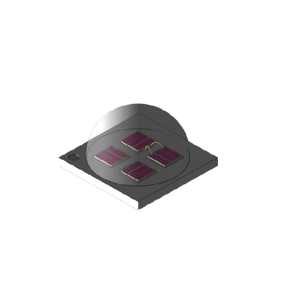
The automotive LED indicator has revolutionized the way vehicles are equipped with lighting technology. As the automotive industry continues to evolve, LED indicators have become an integral part of modern vehicles. This article provides a comprehensive guide to automotive LED indicators, covering their benefits, types, applications, and future trends.
Benefits of Automotive LED Indicator
LED indicators offer numerous advantages over traditional lighting systems. Some of the key benefits include:
– Energy Efficiency: LED indicators consume significantly less power compared to incandescent bulbs, resulting in lower energy consumption and reduced costs for vehicle owners.
– Longevity: LED indicators have a longer lifespan, lasting up to 50,000 hours or more, which means fewer replacements and lower maintenance costs.
– Light Output: LED indicators provide brighter and more focused light, enhancing visibility and safety on the road.
– Design Flexibility: LED indicators can be designed in various shapes, sizes, and colors, allowing for more creative and customized lighting solutions.
Types of Automotive LED Indicator
There are several types of automotive LED indicators, each serving different purposes within a vehicle. Here are some of the most common types:
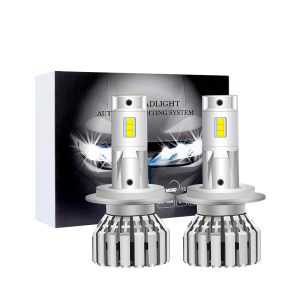
– Headlights: LED headlights are becoming increasingly popular due to their energy efficiency and bright, focused light output. They can be found in both traditional halogen and HID (high-intensity discharge) headlight systems.
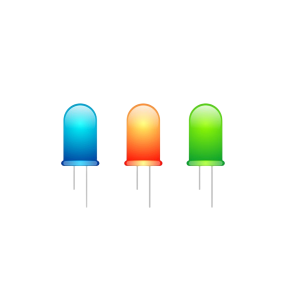
– Indicator Lamps: Indicator lamps are used to signal various functions within a vehicle, such as turn signals, hazard lights, and brake lights. LED indicator lamps offer a more reliable and durable solution compared to traditional bulbs.
– Daytime Running Lights (DRLs): DRLs are designed to improve visibility during daylight hours, making vehicles more noticeable to other road users. LED DRLs are preferred for their energy efficiency and long lifespan.
– Brake Lights: LED brake lights provide a more intense and consistent light output, enhancing the visibility of a vehicle’s braking action. This is crucial for ensuring the safety of both the driver and other road users.
– Interior Lighting: LED interior lighting is becoming more common in modern vehicles, offering a brighter, more energy-efficient, and longer-lasting alternative to traditional bulbs.
Applications of Automotive LED Indicator
Automotive LED indicators are used in various applications throughout a vehicle. Some of the most common applications include:
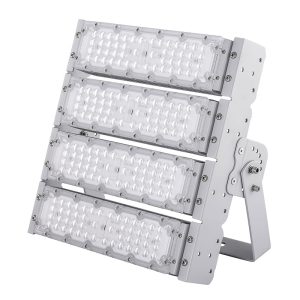
– Exterior Lighting: LED indicators are used in exterior lighting systems, such as headlights, taillights, and turn signals, to improve visibility and safety on the road.
– Interior Lighting: LED indicators are used in interior lighting systems, such as map lights, dome lights, and footwell lights, to provide a brighter, more energy-efficient alternative to traditional bulbs.
– Customization: LED indicators can be used to customize a vehicle’s appearance, with various colors and designs available to suit personal preferences.
– Functionality: LED indicators are used to signal various functions within a vehicle, such as warning lights, indicator lamps, and brake lights.
Future Trends in Automotive LED Indicator
The automotive LED indicator market is expected to continue growing as the industry embraces new technologies and innovations. Some of the future trends in this field include:
– Adaptive Headlights: Adaptive headlights use LED technology to adjust the beam pattern of the headlights based on the vehicle’s speed, steering angle, and surrounding environment, improving visibility and safety.
– Smart Lighting: Smart lighting systems will integrate LED technology with advanced sensors and connectivity features, allowing for dynamic lighting adjustments based on real-time conditions.
– Wireless Charging: As the automotive industry moves towards electric vehicles, wireless charging technology may become more prevalent, and LED indicators could be used to enhance the visibility of charging stations.
– Environmental Sustainability: With the increasing focus on environmental sustainability, LED indicators will continue to be favored for their energy efficiency and lower carbon footprint.
Conclusion
The automotive LED indicator has become an essential component of modern vehicles, offering numerous benefits over traditional lighting systems. As the industry continues to evolve, LED indicators will play a crucial role in enhancing vehicle safety, efficiency, and aesthetics. By staying informed about the latest trends and advancements in automotive LED indicator technology, vehicle owners and manufacturers can ensure that their vehicles are equipped with the best lighting solutions available.
 English
 Afrikaans
 Albanian
 Amharic
 Arabic
 Armenian
 Azerbaijani
 Basque
 Belarusian
 Bengali
 Bosnian
 Bulgarian
 Catalan
 Cebuano
 Chichewa
 Corsican
 Croatian
 Czech
Czech Danish
 Dutch
Dutch Esperanto
 Estonian
 Filipino
 Finnish
 French
 Frisian
 Galician
 Georgian
 German
 Greek
Greek Gujarati
 Haitian Creole
 Hausa
Hausa Hawaiian
 Hebrew
 Hindi
Hindi Hmong
Hmong Hungarian
 Icelandic
 Igbo
Igbo Indonesian
 Irish
Irish Italian
 Japanese
 Javanese
 Kannada
 Kazakh
 Khmer
Khmer Korean
 Kurdish (Kurmanji)
 Kyrgyz
 Lao
Lao Latin
Latin Latvian
 Lithuanian
 Luxembourgish
 Macedonian
 Malagasy
 Malay
Malay Malayalam
 Maltese
 Maori
Maori Marathi
 Mongolian
 Myanmar (Burmese)
 Nepali
 Norwegian
 Pashto
 Persian
 Polish
 Portuguese
 Punjabi
 Romanian
 Russian
 Samoan
 Scottish Gaelic
 Serbian
 Sesotho
 Shona
Shona Sindhi
 Sinhala
 Slovak
 Slovenian
 Somali
 Spanish
 Sudanese
 Swahili
 Swedish
 Tajik
Tajik Tamil
Tamil Telugu
 Thai
Thai Turkish
 Ukrainian
 Urdu
Urdu Uzbek
Uzbek Vietnamese
 Welsh
Welsh Xhosa
Xhosa Yiddish
 Yoruba
 Zulu
Zulu
Explore More from Queendom Lamp
Stay updated with the latest LED technology, lighting solutions, and industry insights.
Request a Quote About Queendom