

With the advancement of technology and the increasing demand for energy-efficient and convenient lighting solutions, the interior motion sensor ceiling light has emerged as a popular choice in the lighting industry. This innovative lighting system utilizes motion sensors to automatically turn on and off the lights, providing both convenience and energy savings. In this article, we will explore the features, benefits, and applications of interior motion sensor ceiling lights, highlighting their significance in modern homes and commercial spaces.
Introduction to Interior Motion Sensor Ceiling Light
The interior motion sensor ceiling light is a type of lighting fixture that combines a motion sensor with a ceiling-mounted light. The motion sensor detects movement within its range and triggers the light to turn on, illuminating the area. Once the movement is detected, the light remains on for a predefined duration before automatically turning off. This smart lighting solution offers numerous advantages, making it an ideal choice for various settings.
How Does an Interior Motion Sensor Ceiling Light Work?
An interior motion sensor ceiling light operates using a combination of sensors, circuitry, and a control unit. The following components play a crucial role in its functionality:
1. Motion Sensor: This is the core component of the system, responsible for detecting movement within the designated area. It typically uses infrared or microwave technology to detect changes in the environment caused by moving objects.
2. Control Unit: The control unit processes the signals from the motion sensor and determines whether to turn on or off the lights. It also stores the settings and preferences of the user.
3. Power Supply: The power supply unit provides the necessary electrical energy to the motion sensor and control unit, ensuring the proper functioning of the lighting system.
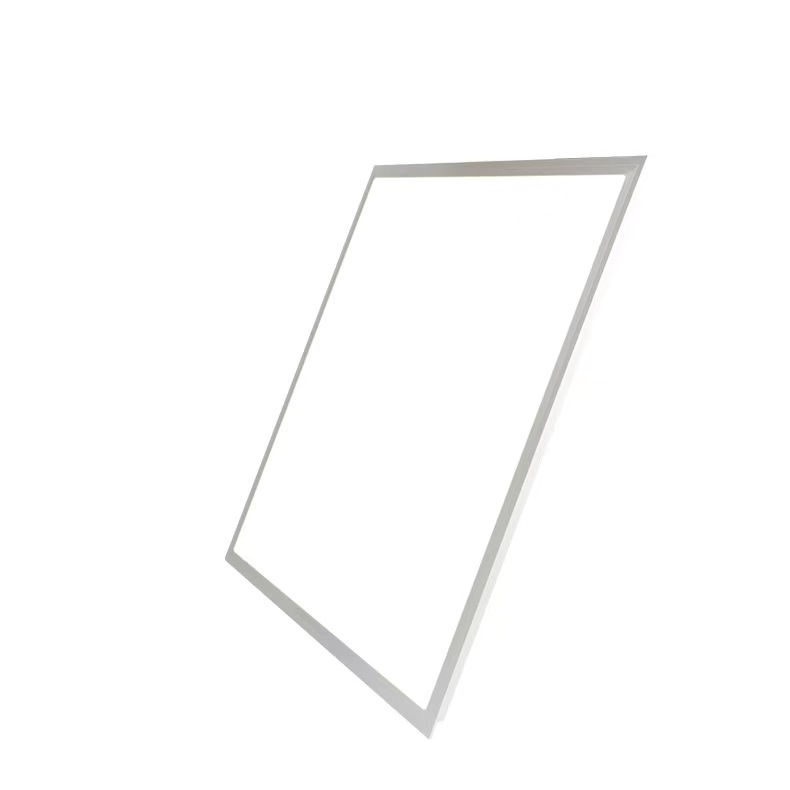
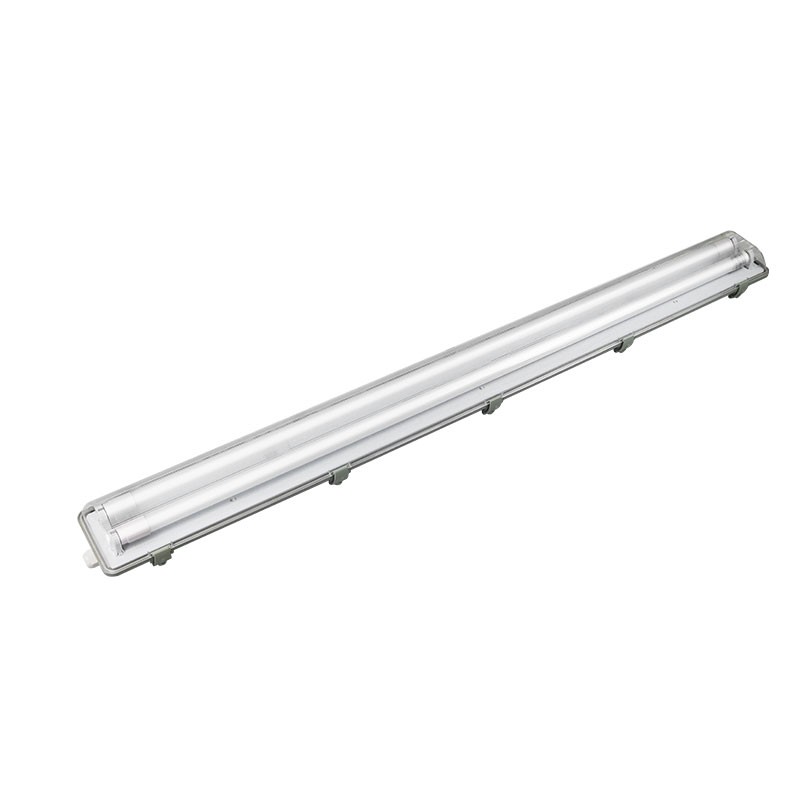
4. Light Fixture: The light fixture is the visible part of the interior motion sensor ceiling light, which includes the light source (e.g., LED, fluorescent) and the housing.
When a person or object enters the detection range of the motion sensor, it sends a signal to the control unit. The control unit then activates the light fixture, illuminating the area. The duration for which the light remains on is typically adjustable, allowing users to customize their preferences.
Benefits of Interior Motion Sensor Ceiling Light
1. Energy Efficiency: One of the primary advantages of an interior motion sensor ceiling light is its energy-saving capabilities. By automatically turning off when not in use, it reduces energy consumption and lowers electricity bills.
2. Convenience: The motion sensor technology provides convenience, as users no longer have to manually turn on or off the lights. This feature is particularly beneficial in dark or hard-to-reach areas, such as basements, garages, and stairwells.
3. Safety: Interior motion sensor ceiling lights can enhance safety in homes and commercial spaces. By providing automatic illumination when needed, they help prevent accidents and injuries caused by tripping or falling in the dark.
4. Aesthetics: Modern interior motion sensor ceiling lights come in various designs and finishes, allowing users to choose a fixture that complements their interior decor.
5. Customization: Many motion sensor ceiling lights offer adjustable settings, such as the detection range, sensitivity, and duration of the light, enabling users to tailor the lighting system to their specific needs.
Applications of Interior Motion Sensor Ceiling Light
1. Residential: Interior motion sensor ceiling lights are widely used in homes for various applications, including hallways, basements, garages, and stairwells. They provide convenient and energy-efficient lighting solutions for these areas.
2. Commercial: In commercial settings, motion sensor ceiling lights are used in office buildings, retail spaces, and warehouses. They contribute to energy savings and enhance the overall safety of the workplace.
3. Outdoor: While not specifically designed for outdoor use, some interior motion sensor ceiling lights can be adapted for outdoor applications, such as pathways, parking lots, and garages.
4. Industrial: Motion sensor ceiling lights are also utilized in industrial settings, such as factories and manufacturing plants, to provide safe and efficient lighting for workers.
Conclusion
The interior motion sensor ceiling light has revolutionized the lighting industry by offering a combination of energy efficiency, convenience, and safety. As technology continues to advance, we can expect to see further improvements and innovations in this area. With their wide range of applications and numerous benefits, interior motion sensor ceiling lights are poised to become an integral part of modern homes and commercial spaces.
 English
 Afrikaans
 Albanian
 Amharic
 Arabic
 Armenian
 Azerbaijani
 Basque
 Belarusian
 Bengali
 Bosnian
 Bulgarian
 Catalan
 Cebuano
 Chichewa
 Corsican
 Croatian
 Czech
Czech Danish
 Dutch
Dutch Esperanto
 Estonian
 Filipino
 Finnish
 French
 Frisian
 Galician
 Georgian
 German
 Greek
Greek Gujarati
 Haitian Creole
 Hausa
Hausa Hawaiian
 Hebrew
 Hindi
Hindi Hmong
Hmong Hungarian
 Icelandic
 Igbo
Igbo Indonesian
 Irish
Irish Italian
 Japanese
 Javanese
 Kannada
 Kazakh
 Khmer
Khmer Korean
 Kurdish (Kurmanji)
 Kyrgyz
 Lao
Lao Latin
Latin Latvian
 Lithuanian
 Luxembourgish
 Macedonian
 Malagasy
 Malay
Malay Malayalam
 Maltese
 Maori
Maori Marathi
 Mongolian
 Myanmar (Burmese)
 Nepali
 Norwegian
 Pashto
 Persian
 Polish
 Portuguese
 Punjabi
 Romanian
 Russian
 Samoan
 Scottish Gaelic
 Serbian
 Sesotho
 Shona
Shona Sindhi
 Sinhala
 Slovak
 Slovenian
 Somali
 Spanish
 Sudanese
 Swahili
 Swedish
 Tajik
Tajik Tamil
Tamil Telugu
 Thai
Thai Turkish
 Ukrainian
 Urdu
Urdu Uzbek
Uzbek Vietnamese
 Welsh
Welsh Xhosa
Xhosa Yiddish
 Yoruba
 Zulu
Zulu
Explore More from Queendom Lamp
Stay updated with the latest LED technology, lighting solutions, and industry insights.
Request a Quote About Queendom