

Introducing the Ceiling Light with Occupancy Sensor: A Revolution in Smart Lighting
Introduction to Ceiling Light with Occupancy Sensor
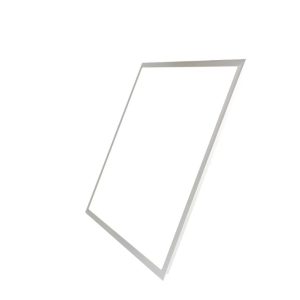
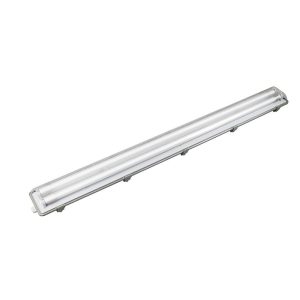
The ceiling light with occupancy sensor is a cutting-edge technology that has transformed the traditional lighting industry. This innovative product combines the functionality of a ceiling light with an advanced occupancy sensor, providing users with a seamless and energy-efficient lighting experience. By automatically turning on and off based on the presence of people in a room, this smart lighting solution offers numerous benefits, making it a popular choice for both residential and commercial settings.
How Does a Ceiling Light with Occupancy Sensor Work?
A ceiling light with occupancy sensor operates using a combination of motion detection and photoelectric sensors. The motion sensor detects the presence of movement within the room, while the photoelectric sensor determines the ambient light level. When the sensor detects motion and darkness, it triggers the ceiling light to turn on. Conversely, when there is no motion detected for a specified period, the light automatically turns off, conserving energy and reducing electricity consumption.
Benefits of Using a Ceiling Light with Occupancy Sensor
1. Energy Efficiency: By automatically turning off when not in use, a ceiling light with occupancy sensor significantly reduces energy consumption, leading to lower electricity bills and a smaller carbon footprint.
2. Convenience: With the ability to turn on and off automatically, users no longer need to manually switch lights on or off, providing a convenient and hassle-free experience.
3. Safety: The presence of motion sensors ensures that the lights are always on when needed, enhancing safety in dark environments, such as hallways, staircases, and basements.
4. Aesthetics: The sleek and modern design of a ceiling light with occupancy sensor complements any interior decor, adding a touch of sophistication to any space.
5. Cost-Effective: This smart lighting solution is cost-effective in the long run, as it eliminates the need for additional lighting fixtures and reduces maintenance costs.
Applications of Ceiling Light with Occupancy Sensor
1. Residential Settings: Ceiling lights with occupancy sensors are widely used in homes, particularly in areas with limited access to lighting, such as garages, basements, and attics. They also serve as a convenient solution for outdoor lighting, such as pathways, gardens, and porches.
2. Commercial Settings: This smart lighting solution is highly beneficial in commercial spaces, including offices, retail stores, restaurants, and hotels. It helps businesses save on energy costs while creating a welcoming and safe environment for customers and employees.
3. Industrial Settings: Ceiling lights with occupancy sensors are ideal for industrial applications, such as warehouses, factories, and manufacturing plants. They ensure optimal lighting in areas with heavy machinery and reduce the risk of accidents due to poor visibility.
4. Healthcare Facilities: Hospitals, clinics, and other healthcare facilities can benefit from the energy-efficient and convenient features of ceiling lights with occupancy sensors, providing a comfortable and safe environment for patients and staff.
Choosing the Right Ceiling Light with Occupancy Sensor
When selecting a ceiling light with occupancy sensor, consider the following factors:
1. Sensor Range: Ensure that the sensor’s range is sufficient to cover the desired area, as a smaller range may require multiple fixtures.
2. Sensitivity: Choose a sensor with adjustable sensitivity to avoid false triggers or missed detections.
3. Dimmable Feature: Look for a model with a dimmable feature to adjust the brightness according to the room’s needs.
4. Color Temperature: Select a ceiling light with a color temperature that complements the room’s ambiance, such as warm or cool white light.
5. Energy Efficiency: Opt for a product with high energy efficiency, such as LED lighting, to maximize energy savings.
Future Trends in Ceiling Light with Occupancy Sensor Technology
As technology continues to advance, we can expect to see several future trends in ceiling light with occupancy sensor technology:
1. Integration with Smart Home Systems: Ceiling lights with occupancy sensors will likely become more integrated with smart home systems, allowing users to control and monitor their lighting remotely via smartphones or voice assistants.
2. Improved Motion Detection: Advanced motion detection algorithms will provide more accurate and reliable performance, reducing false triggers and missed detections.
3. Energy-Saving Innovations: Manufacturers will continue to develop more energy-efficient lighting solutions, further reducing the environmental impact of ceiling lights with occupancy sensors.
4. Customization: Users will have more options for customizing their lighting experience, such as adjustable brightness levels, color temperature, and even programmable settings for different times of the day.
In conclusion, the ceiling light with occupancy sensor is a game-changer in the lighting industry. Its energy-efficient, convenient, and safe features make it an excellent choice for a wide range of applications. As technology continues to evolve, we can expect even more innovative solutions to enhance our lighting experience in the future.
 English
 Afrikaans
 Albanian
 Amharic
 Arabic
 Armenian
 Azerbaijani
 Basque
 Belarusian
 Bengali
 Bosnian
 Bulgarian
 Catalan
 Cebuano
 Chichewa
 Corsican
 Croatian
 Czech
Czech Danish
 Dutch
Dutch Esperanto
 Estonian
 Filipino
 Finnish
 French
 Frisian
 Galician
 Georgian
 German
 Greek
Greek Gujarati
 Haitian Creole
 Hausa
Hausa Hawaiian
 Hebrew
 Hindi
Hindi Hmong
Hmong Hungarian
 Icelandic
 Igbo
Igbo Indonesian
 Irish
Irish Italian
 Japanese
 Javanese
 Kannada
 Kazakh
 Khmer
Khmer Korean
 Kurdish (Kurmanji)
 Kyrgyz
 Lao
Lao Latin
Latin Latvian
 Lithuanian
 Luxembourgish
 Macedonian
 Malagasy
 Malay
Malay Malayalam
 Maltese
 Maori
Maori Marathi
 Mongolian
 Myanmar (Burmese)
 Nepali
 Norwegian
 Pashto
 Persian
 Polish
 Portuguese
 Punjabi
 Romanian
 Russian
 Samoan
 Scottish Gaelic
 Serbian
 Sesotho
 Shona
Shona Sindhi
 Sinhala
 Slovak
 Slovenian
 Somali
 Spanish
 Sudanese
 Swahili
 Swedish
 Tajik
Tajik Tamil
Tamil Telugu
 Thai
Thai Turkish
 Ukrainian
 Urdu
Urdu Uzbek
Uzbek Vietnamese
 Welsh
Welsh Xhosa
Xhosa Yiddish
 Yoruba
 Zulu
Zulu
Explore More from Queendom Lamp
Stay updated with the latest LED technology, lighting solutions, and industry insights.
Request a Quote About Queendom