




Introduction to Infrared Light Bulbs
What are Infrared Light Bulbs?
Infrared light bulbs, also known as infrared lamps, are a type of lighting that emits infrared radiation. Unlike traditional light bulbs that emit visible light, infrared light bulbs produce light in the infrared spectrum, which is not visible to the human eye. These bulbs are widely used in various applications, including heating, medical treatment, and industrial processes.
How Do Infrared Light Bulbs Work?
Infrared light bulbs work by using a material called a phosphor, which absorbs the electrical energy from the filament and emits infrared radiation. The phosphor material is typically coated on the inside of the glass bulb, and when the filament heats up, it emits visible light and infrared radiation. The amount of infrared radiation produced depends on the type of phosphor used and the design of the bulb.
Types of Infrared Light Bulbs
There are several types of infrared light bulbs available in the market, each with its own unique features and applications. Some of the most common types include:
1. Incandescent Infrared Light Bulbs: These bulbs use a filament to produce heat, which is then converted into infrared radiation. They are the most common type of infrared light bulb and are widely used for heating purposes.
2. Halogen Infrared Light Bulbs: Halogen infrared bulbs are similar to incandescent bulbs but use a halogen gas to increase the lifespan and efficiency of the filament. They are often used in medical applications, such as physical therapy and pain relief.
3. Ceramic Infrared Light Bulbs: Ceramic infrared bulbs are made of a ceramic material that can withstand high temperatures. They are used in industrial applications, such as heat treating and metal welding.
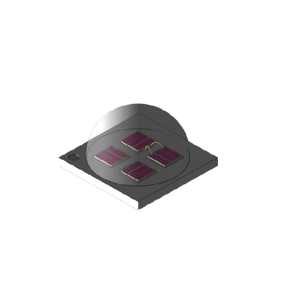
4. LED Infrared Light Bulbs: LED infrared bulbs are the most energy-efficient type of infrared light bulb. They use a semiconductor material to produce light, which is then converted into infrared radiation. LED infrared bulbs are widely used in heating, medical, and industrial applications.
Applications of Infrared Light Bulbs
Infrared light bulbs have a wide range of applications across various industries. Some of the most common applications include:
1. Heating: Infrared light bulbs are an excellent source of heat, as they directly convert electrical energy into thermal energy. They are widely used in residential and commercial heating systems, as well as in industrial applications, such as drying and curing.
2. Medical: Infrared light bulbs are used in various medical applications, including physical therapy, pain relief, and wound healing. The infrared radiation helps to increase blood circulation, reduce inflammation, and promote healing.
3. Industrial: Infrared light bulbs are used in numerous industrial applications, such as heat treating, metal welding, and drying. They provide a controlled and efficient source of heat, which is essential for these processes.
4. Agriculture: Infrared light bulbs are used in greenhouses and hydroponic systems to provide additional heat and light for plant growth. They help to extend the growing season and improve crop yields.
Benefits of Infrared Light Bulbs
Infrared light bulbs offer several advantages over traditional lighting sources, including:
1. Energy Efficiency: Infrared light bulbs are highly energy-efficient, as they convert a large portion of electrical energy into heat. This makes them an excellent choice for heating applications, where traditional electric heaters are less efficient.
2. Longevity: Infrared light bulbs have a longer lifespan than traditional light bulbs, as they do not emit visible light. This means that they require less frequent replacement, which can save on maintenance costs.
3. Safety: Infrared light bulbs are safe to use, as they do not emit harmful ultraviolet or infrared radiation. This makes them suitable for use in medical and industrial applications, where safety is a priority.
4. Versatility: Infrared light bulbs are versatile and can be used in a wide range of applications, from heating to medical treatment. This makes them a valuable addition to any industry that requires a controlled source of heat or light.
Conclusion
Infrared light bulbs are an essential component of modern technology, offering a wide range of benefits for various applications. From heating and medical treatment to industrial processes and agriculture, these bulbs play a crucial role in improving efficiency, safety, and comfort. As technology continues to advance, we can expect to see even more innovative applications for infrared light bulbs in the future.
 English
 Afrikaans
 Albanian
 Amharic
 Arabic
 Armenian
 Azerbaijani
 Basque
 Belarusian
 Bengali
 Bosnian
 Bulgarian
 Catalan
 Cebuano
 Chichewa
 Corsican
 Croatian
 Czech
Czech Danish
 Dutch
Dutch Esperanto
 Estonian
 Filipino
 Finnish
 French
 Frisian
 Galician
 Georgian
 German
 Greek
Greek Gujarati
 Haitian Creole
 Hausa
Hausa Hawaiian
 Hebrew
 Hindi
Hindi Hmong
Hmong Hungarian
 Icelandic
 Igbo
Igbo Indonesian
 Irish
Irish Italian
 Japanese
 Javanese
 Kannada
 Kazakh
 Khmer
Khmer Korean
 Kurdish (Kurmanji)
 Kyrgyz
 Lao
Lao Latin
Latin Latvian
 Lithuanian
 Luxembourgish
 Macedonian
 Malagasy
 Malay
Malay Malayalam
 Maltese
 Maori
Maori Marathi
 Mongolian
 Myanmar (Burmese)
 Nepali
 Norwegian
 Pashto
 Persian
 Polish
 Portuguese
 Punjabi
 Romanian
 Russian
 Samoan
 Scottish Gaelic
 Serbian
 Sesotho
 Shona
Shona Sindhi
 Sinhala
 Slovak
 Slovenian
 Somali
 Spanish
 Sudanese
 Swahili
 Swedish
 Tajik
Tajik Tamil
Tamil Telugu
 Thai
Thai Turkish
 Ukrainian
 Urdu
Urdu Uzbek
Uzbek Vietnamese
 Welsh
Welsh Xhosa
Xhosa Yiddish
 Yoruba
 Zulu
Zulu
Explore More from Queendom Lamp
Stay updated with the latest LED technology, lighting solutions, and industry insights.
Request a Quote About Queendom