






Introduction to Infrared Transmitter Light Emitting Diode
What is an Infrared Transmitter Light Emitting Diode (LED)?
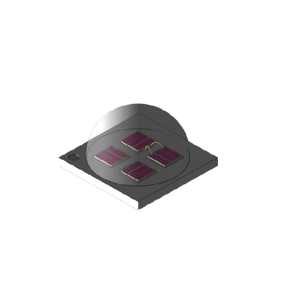
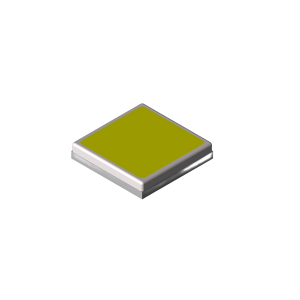
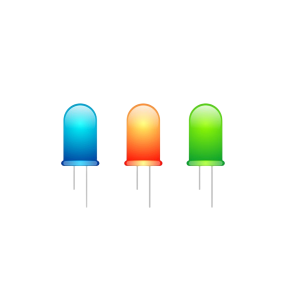
An infrared transmitter light emitting diode (LED) is a type of semiconductor device that emits infrared light when an electric current is applied to it. These LEDs are widely used in various applications due to their compact size, low power consumption, and long lifespan. The infrared light emitted by these diodes is typically in the invisible spectrum, making it ideal for communication and sensing tasks where visible light is not desirable or not available.
How Does an Infrared Transmitter LED Work?
The operation of an infrared transmitter LED is based on the principle of the PN junction. When an electric current is applied to the diode, electrons from the N-type semiconductor recombine with holes from the P-type semiconductor. This recombination process releases energy in the form of photons, which are then emitted as infrared light. The wavelength of the emitted light depends on the composition of the semiconductor material used in the LED.
Applications of Infrared Transmitter LEDs
Infrared transmitter LEDs find extensive use in a variety of applications across different industries. Some of the prominent applications include:
1. Remote Control Devices: Infrared transmitter LEDs are commonly used in remote controls for TVs, air conditioners, and other electronic devices. The infrared signals emitted by the LEDs are received by a corresponding sensor on the device, allowing for wireless control.
2. Wireless Communication: Infrared transmitter LEDs are used in wireless communication systems for short-range data transmission. They are particularly useful in situations where line-of-sight communication is required, such as in wireless keyboards, mice, and game controllers.
3. Security Systems: Infrared transmitter LEDs are employed in security systems for motion detection. When the emitted infrared light is obstructed by a moving object, the change in the light pattern is detected, triggering an alarm or alert.
4. Sensing and Measurement: These LEDs are used in various sensing applications, such as in proximity sensors, optical switches, and in measuring the distance between objects.
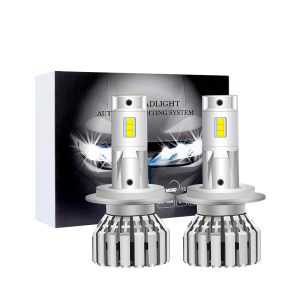
5. Automotive Industry: Infrared transmitter LEDs are used in automotive applications for rearview cameras, parking assist systems, and night vision systems.
Types of Infrared Transmitter LEDs
There are several types of infrared transmitter LEDs, each with its own specific characteristics and applications:
1. Alloyed Infrared LEDs: These LEDs use a combination of different semiconductor materials to achieve specific wavelengths of infrared light. They are commonly used in applications requiring a narrow bandwidth of infrared light.
2. Bandgap Engineering Infrared LEDs: These LEDs are designed to emit infrared light by manipulating the bandgap of the semiconductor material. This allows for precise control over the emitted wavelength.
3. Surface Emitting Infrared LEDs: These LEDs emit light from the surface of the semiconductor material, making them suitable for applications where a high intensity of infrared light is required.
4. Edge Emitting Infrared LEDs: These LEDs emit light from the edges of the semiconductor material, which can provide better beam control and efficiency.
Advantages of Infrared Transmitter LEDs
Infrared transmitter LEDs offer several advantages over other types of light sources:
1. Energy Efficiency: These LEDs consume very little power, making them energy-efficient and cost-effective for various applications.
2. Longevity: Infrared transmitter LEDs have a long lifespan, often exceeding 50,000 hours, which reduces maintenance and replacement costs.
3. Compact Size: Their small size allows for integration into compact devices and systems.
4. Robustness: Infrared transmitter LEDs are durable and can withstand harsh environmental conditions.
Challenges and Future Prospects
Despite their numerous advantages, infrared transmitter LEDs face certain challenges:
1. Interference: Infrared signals can be susceptible to interference from other sources, which can affect the reliability of communication and sensing applications.
2. Range Limitations: The range of infrared signals is limited, which can be a constraint in certain applications.
3. Cost: The cost of high-performance infrared transmitter LEDs can be higher compared to other types of light sources.
Looking ahead, the future of infrared transmitter LEDs appears promising. Advances in semiconductor technology are expected to lead to the development of more efficient, cost-effective, and reliable infrared transmitter LEDs. This will open up new possibilities for their use in a wide range of applications, further expanding their role in the modern world.
 English
 Afrikaans
 Albanian
 Amharic
 Arabic
 Armenian
 Azerbaijani
 Basque
 Belarusian
 Bengali
 Bosnian
 Bulgarian
 Catalan
 Cebuano
 Chichewa
 Corsican
 Croatian
 Czech
Czech Danish
 Dutch
Dutch Esperanto
 Estonian
 Filipino
 Finnish
 French
 Frisian
 Galician
 Georgian
 German
 Greek
Greek Gujarati
 Haitian Creole
 Hausa
Hausa Hawaiian
 Hebrew
 Hindi
Hindi Hmong
Hmong Hungarian
 Icelandic
 Igbo
Igbo Indonesian
 Irish
Irish Italian
 Japanese
 Javanese
 Kannada
 Kazakh
 Khmer
Khmer Korean
 Kurdish (Kurmanji)
 Kyrgyz
 Lao
Lao Latin
Latin Latvian
 Lithuanian
 Luxembourgish
 Macedonian
 Malagasy
 Malay
Malay Malayalam
 Maltese
 Maori
Maori Marathi
 Mongolian
 Myanmar (Burmese)
 Nepali
 Norwegian
 Pashto
 Persian
 Polish
 Portuguese
 Punjabi
 Romanian
 Russian
 Samoan
 Scottish Gaelic
 Serbian
 Sesotho
 Shona
Shona Sindhi
 Sinhala
 Slovak
 Slovenian
 Somali
 Spanish
 Sudanese
 Swahili
 Swedish
 Tajik
Tajik Tamil
Tamil Telugu
 Thai
Thai Turkish
 Ukrainian
 Urdu
Urdu Uzbek
Uzbek Vietnamese
 Welsh
Welsh Xhosa
Xhosa Yiddish
 Yoruba
 Zulu
Zulu
Explore More from Queendom Lamp
Stay updated with the latest LED technology, lighting solutions, and industry insights.
Request a Quote About Queendom