







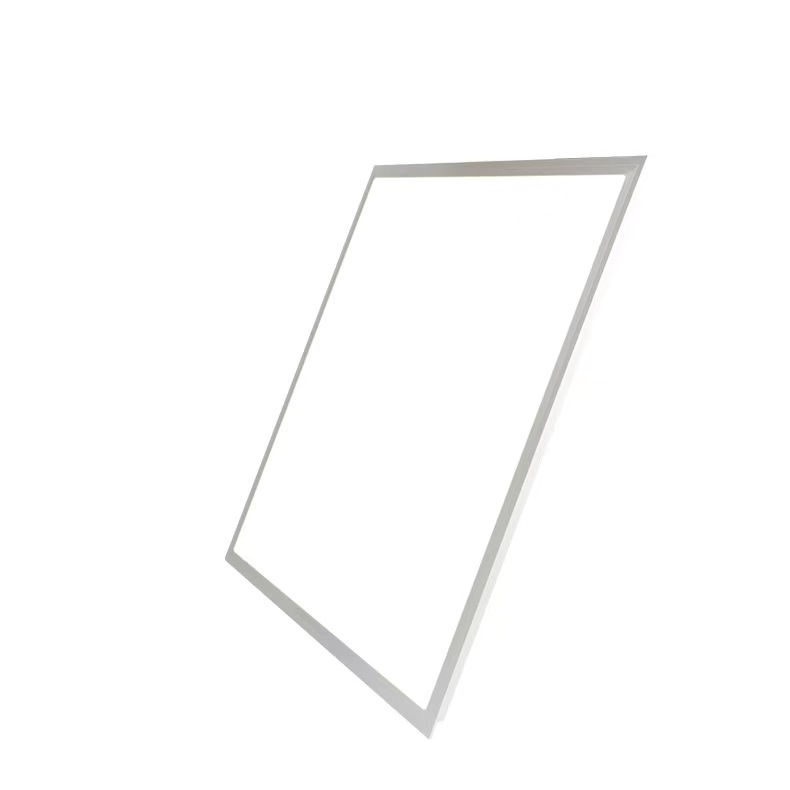
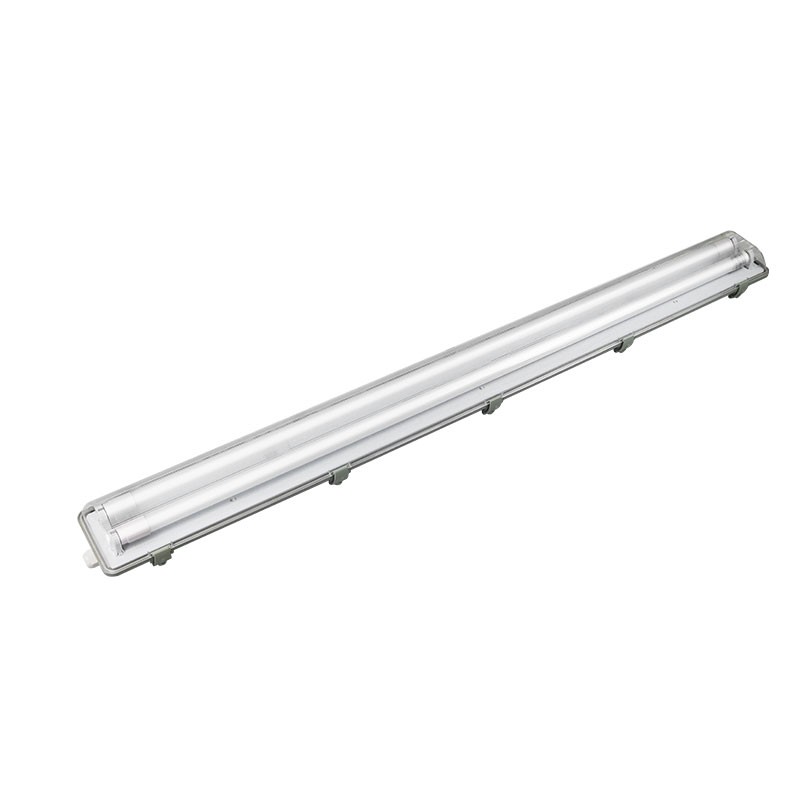
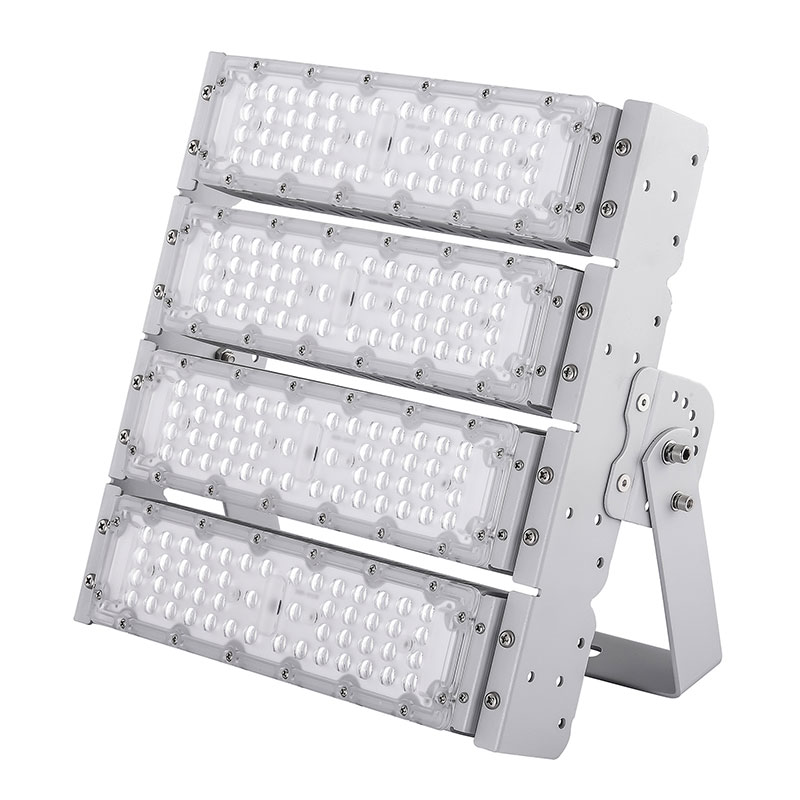


High power white LED (Light Emitting Diode) technology has revolutionized the lighting industry, offering a more efficient, durable, and versatile alternative to traditional lighting solutions. This article delves into the intricacies of high power white LED technology, exploring its components, working principles, applications, and future prospects.
Introduction to High Power White LED
High power white LED is a type of solid-state lighting that emits white light with high luminous efficiency. It consists of a semiconductor material that emits light when an electric current passes through it. The color of the emitted light is determined by the energy band gap of the semiconductor material.
Components of High Power White LED
A high power white LED typically consists of the following components:
1. Semiconductor Material: The core component of the LED is the semiconductor material, which emits light when an electric current passes through it. Common semiconductor materials used in high power white LEDs include gallium nitride (GaN), silicon carbide (SiC), and aluminum nitride (AlN).
2. Phosphor: To produce white light, a phosphor layer is coated on the semiconductor material. The phosphor absorbs the blue light emitted by the LED and emits a broader spectrum of light, resulting in white light.
3. Lead Frame: The lead frame is a metal frame that holds the semiconductor material and connects it to the electrical circuit.
4. Die: The die is the semiconductor material itself, which emits light when an electric current passes through it.
5. Lens: The lens is used to focus the emitted light and improve the LED’s luminous efficiency.
Working Principle of High Power White LED
The working principle of a high power white LED is based on the semiconductor material’s ability to emit light when an electric current passes through it. When an electric current is applied to the semiconductor material, electrons and holes are excited and recombine, releasing energy in the form of light.
The color of the emitted light depends on the energy band gap of the semiconductor material. In high power white LEDs, a blue LED chip is combined with a phosphor layer to produce white light. The blue light emitted by the LED chip is absorbed by the phosphor, which then emits a broader spectrum of light, resulting in white light.
Applications of High Power White LED
High power white LED technology has found applications in various fields, including:
1. General Lighting: High power white LEDs are increasingly being used in residential, commercial, and industrial lighting applications due to their high efficiency, long lifespan, and energy savings.
2. Automotive Lighting: High power white LEDs are used in automotive lighting, including headlights, taillights, and interior lighting, for their superior performance and energy efficiency.
3. Display Backlighting: High power white LEDs are used in the backlighting of LCD and OLED displays, providing high brightness and energy efficiency.
4. Signal Lighting: High power white LEDs are used in signal lighting, such as traffic lights, emergency vehicle lights, and signage, for their visibility and durability.
5. Medical and Healthcare: High power white LEDs are used in medical and healthcare applications, such as surgical lighting, dental equipment, and diagnostic devices, for their high quality of light and energy efficiency.
Advantages of High Power White LED
High power white LED technology offers several advantages over traditional lighting solutions:
1. Energy Efficiency: High power white LEDs consume significantly less energy than traditional lighting solutions, resulting in significant energy savings and reduced greenhouse gas emissions.
2. Long Lifespan: High power white LEDs have a much longer lifespan than traditional lighting solutions, requiring less frequent replacement and maintenance.
3. Durable: High power white LEDs are durable and resistant to shock, vibration, and temperature variations, making them suitable for various applications.
4. Versatile: High power white LEDs can be used in a wide range of applications, from general lighting to specialized lighting solutions.
Future Prospects of High Power White LED
The future of high power white LED technology looks promising, with ongoing research and development aimed at improving efficiency, lifespan, and cost-effectiveness. Some of the key areas of focus include:
1. Material Development: Researchers are working on developing new semiconductor materials with higher energy band gaps to achieve higher efficiency and longer lifespans.
2. Phosphor Technology: Improvements in phosphor technology are being explored to enhance the color rendering index (CRI) and light output of high power white LEDs.
3. Packaging and Heat Management: Advances in packaging and heat management techniques are being developed to improve the reliability and performance of high power white LEDs.
4. Cost Reduction: Efforts are being made to reduce the cost of high power white LED production, making it more accessible for widespread adoption in various applications.
In conclusion, high power white LED technology has transformed the lighting industry, offering a more efficient, durable, and versatile lighting solution. As research and development continue to advance, the future of high power white LED technology looks bright, with endless possibilities for innovation and improvement.
 English
 Afrikaans
 Albanian
 Amharic
 Arabic
 Armenian
 Azerbaijani
 Basque
 Belarusian
 Bengali
 Bosnian
 Bulgarian
 Catalan
 Cebuano
 Chichewa
 Corsican
 Croatian
 Czech
Czech Danish
 Dutch
Dutch Esperanto
 Estonian
 Filipino
 Finnish
 French
 Frisian
 Galician
 Georgian
 German
 Greek
Greek Gujarati
 Haitian Creole
 Hausa
Hausa Hawaiian
 Hebrew
 Hindi
Hindi Hmong
Hmong Hungarian
 Icelandic
 Igbo
Igbo Indonesian
 Irish
Irish Italian
 Japanese
 Javanese
 Kannada
 Kazakh
 Khmer
Khmer Korean
 Kurdish (Kurmanji)
 Kyrgyz
 Lao
Lao Latin
Latin Latvian
 Lithuanian
 Luxembourgish
 Macedonian
 Malagasy
 Malay
Malay Malayalam
 Maltese
 Maori
Maori Marathi
 Mongolian
 Myanmar (Burmese)
 Nepali
 Norwegian
 Pashto
 Persian
 Polish
 Portuguese
 Punjabi
 Romanian
 Russian
 Samoan
 Scottish Gaelic
 Serbian
 Sesotho
 Shona
Shona Sindhi
 Sinhala
 Slovak
 Slovenian
 Somali
 Spanish
 Sudanese
 Swahili
 Swedish
 Tajik
Tajik Tamil
Tamil Telugu
 Thai
Thai Turkish
 Ukrainian
 Urdu
Urdu Uzbek
Uzbek Vietnamese
 Welsh
Welsh Xhosa
Xhosa Yiddish
 Yoruba
 Zulu
Zulu
Explore More from Queendom Lamp
Stay updated with the latest LED technology, lighting solutions, and industry insights.
Request a Quote About Queendom