









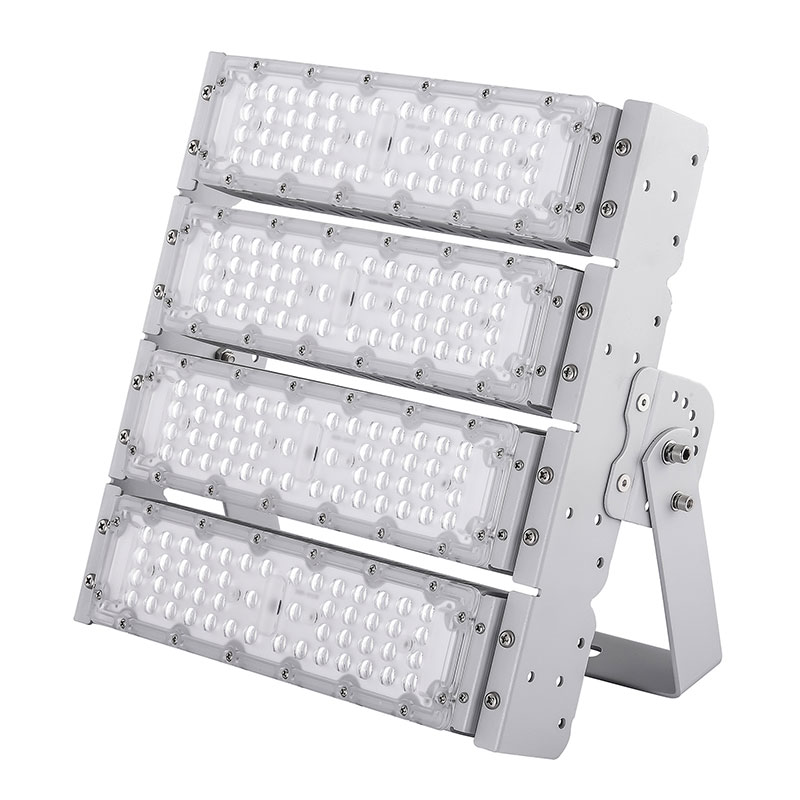


Introduction to Infrared Waves Source
Infrared Waves: An Overview
Infrared waves, also known as infrared radiation, are a form of electromagnetic radiation with wavelengths longer than those of visible light but shorter than those of microwaves. They are emitted by all objects with a temperature above absolute zero, and their discovery dates back to the early 19th century. Infrared waves have a wide range of applications in various industries, including medical, military, industrial, and consumer electronics. This article aims to provide an in-depth introduction to infrared waves sources, their properties, and their applications.
Properties of Infrared Waves
Infrared waves have several distinct properties that make them unique and valuable in various applications. The following are some of the key properties of infrared waves:
1. Wavelength: Infrared waves have wavelengths ranging from 700 nanometers to 1 millimeter. This range is divided into three sub-bands: near-infrared (NIR), mid-infrared (MIR), and far-infrared (FIR).
2. Frequency: The frequency of infrared waves ranges from 300 gigahertz to 300 terahertz. This frequency range is significantly lower than that of visible light, which is why infrared waves are not visible to the human eye.
3. Energy: Infrared waves carry energy, and their energy is directly proportional to their frequency. This energy can be harnessed for various applications, such as heating, communication, and medical diagnostics.
4. Penetration: Infrared waves can penetrate certain materials, such as glass and water, to varying degrees. This property makes them useful in applications like thermal imaging and remote sensing.
5. Reflection and Absorption: Infrared waves can be reflected, absorbed, or transmitted by different materials. The interaction between infrared waves and materials depends on the material’s properties, such as its emissivity and reflectivity.
Infrared Waves Sources
Infrared waves can be generated by various sources, each with its unique characteristics and applications. The following are some common infrared waves sources:
1. Thermal Emission: All objects with a temperature above absolute zero emit infrared waves. The intensity of the emitted radiation depends on the object’s temperature and emissivity. Thermal emission is the primary source of infrared waves in natural environments.
2. Laser Diodes: Laser diodes are semiconductor devices that emit infrared waves when an electric current passes through them. They are widely used in applications such as optical communication, medical diagnostics, and remote sensing.
3. LEDs: Light Emitting Diodes (LEDs) can emit infrared waves, particularly in the near-infrared region. These LEDs are used in consumer electronics, such as remote controls and cameras.
4. Thermal Cameras: Thermal cameras use infrared waves to detect and measure the temperature of objects. They are used in various applications, including security, search and rescue, and industrial inspection.
5. Infrared Emitters: Infrared emitters are devices designed to produce infrared waves. They are used in applications such as heating, cooking, and thermal imaging.
Applications of Infrared Waves Sources
Infrared waves sources have a wide range of applications across various industries. Some of the most notable applications include:
1. Medical Diagnostics: Infrared waves are used in medical diagnostics to detect and monitor diseases, such as cancer, cardiovascular diseases, and neurological disorders. Thermal imaging is a common application in this field.
2. Security and Surveillance: Infrared waves are used in security and surveillance systems to detect and track intruders. Thermal cameras are particularly useful in low-light conditions.
3. Remote Sensing: Infrared waves are used in remote sensing to monitor environmental changes, such as deforestation, climate change, and natural disasters.
4. Industrial Applications: Infrared waves are used in various industrial applications, such as process control, quality inspection, and material testing.
5. Consumer Electronics: Infrared waves are used in consumer electronics, such as remote controls, cameras, and thermal imaging devices.
Conclusion
Infrared waves sources have become an integral part of our lives, thanks to their diverse applications in various industries. From medical diagnostics to security and surveillance, infrared waves have proven to be a valuable tool for solving complex problems. As technology continues to advance, we can expect to see even more innovative applications of infrared waves sources in the future.
 English
 Afrikaans
 Albanian
 Amharic
 Arabic
 Armenian
 Azerbaijani
 Basque
 Belarusian
 Bengali
 Bosnian
 Bulgarian
 Catalan
 Cebuano
 Chichewa
 Corsican
 Croatian
 Czech
Czech Danish
 Dutch
Dutch Esperanto
 Estonian
 Filipino
 Finnish
 French
 Frisian
 Galician
 Georgian
 German
 Greek
Greek Gujarati
 Haitian Creole
 Hausa
Hausa Hawaiian
 Hebrew
 Hindi
Hindi Hmong
Hmong Hungarian
 Icelandic
 Igbo
Igbo Indonesian
 Irish
Irish Italian
 Japanese
 Javanese
 Kannada
 Kazakh
 Khmer
Khmer Korean
 Kurdish (Kurmanji)
 Kyrgyz
 Lao
Lao Latin
Latin Latvian
 Lithuanian
 Luxembourgish
 Macedonian
 Malagasy
 Malay
Malay Malayalam
 Maltese
 Maori
Maori Marathi
 Mongolian
 Myanmar (Burmese)
 Nepali
 Norwegian
 Pashto
 Persian
 Polish
 Portuguese
 Punjabi
 Romanian
 Russian
 Samoan
 Scottish Gaelic
 Serbian
 Sesotho
 Shona
Shona Sindhi
 Sinhala
 Slovak
 Slovenian
 Somali
 Spanish
 Sudanese
 Swahili
 Swedish
 Tajik
Tajik Tamil
Tamil Telugu
 Thai
Thai Turkish
 Ukrainian
 Urdu
Urdu Uzbek
Uzbek Vietnamese
 Welsh
Welsh Xhosa
Xhosa Yiddish
 Yoruba
 Zulu
Zulu
Explore More from Queendom Lamp
Stay updated with the latest LED technology, lighting solutions, and industry insights.
Request a Quote About Queendom