







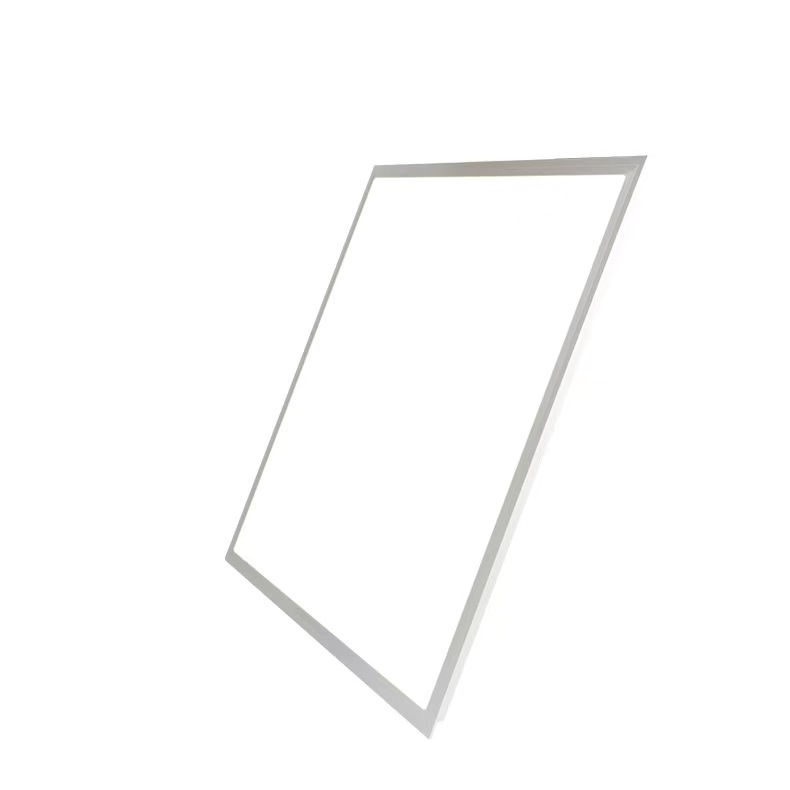
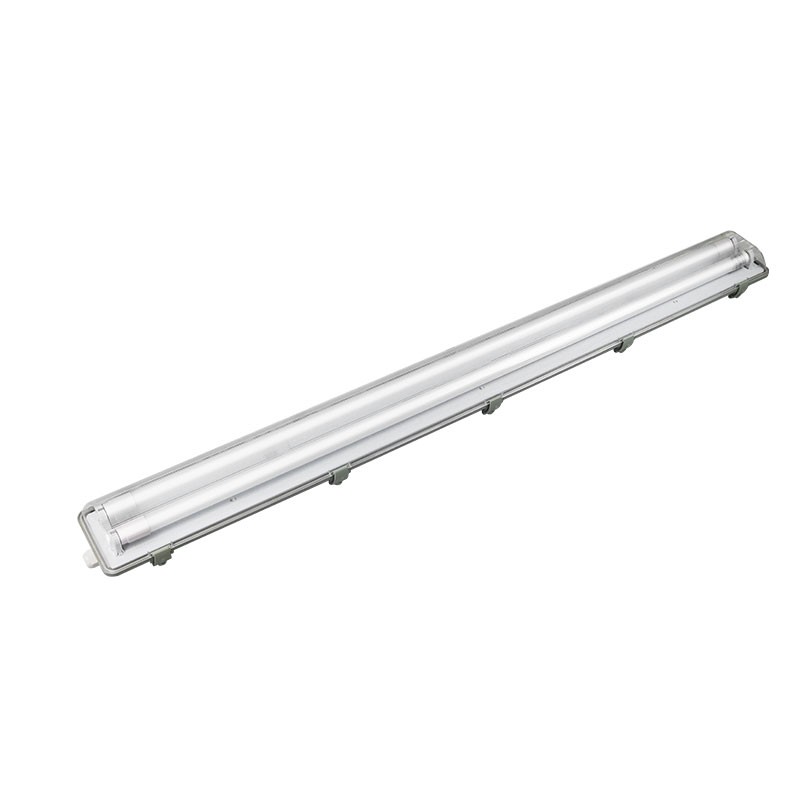
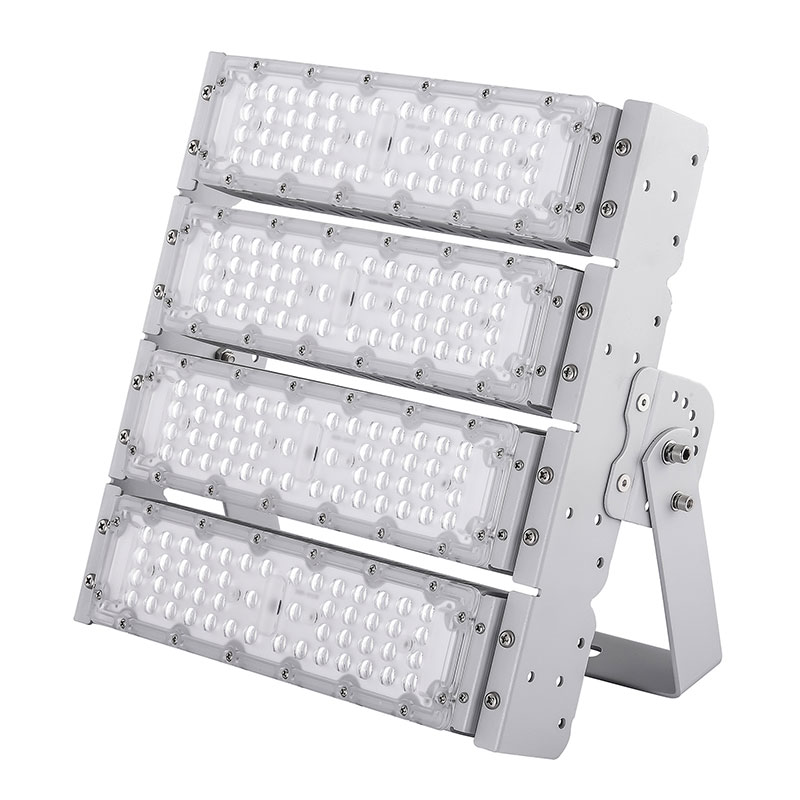


Indoor grow light 660nm has emerged as a revolutionary technology in the field of horticulture, providing gardeners and farmers with a highly efficient and controlled method to cultivate plants indoors. This specialized light emits a narrow band of the red spectrum, which is crucial for the photosynthesis process in plants, leading to healthier, more vibrant growth. In this comprehensive guide, we will delve into the science behind 660nm grow lights, their benefits, and how they are transforming the indoor gardening industry.
Understanding the Science of 660nm Grow Lights
660nm grow lights are designed to emit light in the red spectrum, specifically targeting the peak absorption rate of chlorophyll, the pigment responsible for photosynthesis in plants. Chlorophyll absorbs light most efficiently in the red and blue wavelengths, with the 660nm range being particularly effective. This light is crucial for the plant’s ability to convert light energy into chemical energy, which is then used to produce essential nutrients and promote growth.
How 660nm Grow Lights Promote Plant Growth
The 660nm wavelength of light is considered to be the most effective for promoting plant growth due to its high absorption rate by chlorophyll. When plants absorb this light, it triggers a series of biochemical reactions that are essential for growth. These reactions include the production of ATP and NADPH, which are energy carriers used in the Calvin cycle to convert carbon dioxide and water into glucose and oxygen. The following are some key benefits of using 660nm grow lights:
- Enhanced Photosynthesis: The 660nm light spectrum maximizes the efficiency of photosynthesis, leading to healthier and more robust plants.
- Increased Flowering and Fruit Production: By stimulating the plant’s flowering and fruiting cycle, 660nm grow lights can significantly increase yield and improve the quality of produce.
- Stress Reduction: The use of 660nm light can help reduce plant stress, leading to better overall health and resilience.
- Improved Leaf Development: This light spectrum encourages the development of dense, lush foliage, which is essential for strong plant structure.
Types of 660nm Grow Lights
There are several types of 660nm grow lights available on the market, each with its own advantages and applications. Here are some of the most common types:
- LED Grow Lights: LED grow lights are highly efficient and durable, making them a popular choice for indoor gardening. They emit a narrow band of light at 660nm, providing the optimal spectrum for plant growth.
- HPS (High-Pressure Sodium) Grow Lights: HPS grow lights are known for their intense red spectrum, which is highly effective for flowering and fruiting. While they are less energy-efficient than LEDs, they are still widely used in commercial grow operations.
- MH (Metal Halide) Grow Lights: MH grow lights emit a broad spectrum of light, including the 660nm red spectrum. They are often used in the vegetative stage of plant growth due to their balanced spectrum.
Setting Up Your 660nm Grow Light System
When setting up a 660nm grow light system, it is important to consider several factors to ensure optimal plant growth:
- Distance from the Plant: The distance between the grow light and the plant should be carefully measured to avoid burning the foliage. Generally, a distance of 12-18 inches is recommended for LED grow lights.
- Duration of Light Exposure: The duration of light exposure should be tailored to the specific needs of the plant species. Most plants require 12-18 hours of light per day.
- Temperature Control: Ensure that the grow room temperature is maintained within the optimal range for the plant species you are cultivating.
- Air Circulation: Proper air circulation is essential to prevent overheating and to ensure even light distribution.
The Future of 660nm Grow Lights
As technology continues to advance, the future of 660nm grow lights looks promising. Researchers are constantly working to improve the efficiency and effectiveness of these lights, as well as to develop new applications for them. Some of the emerging trends in the field include:
- Customizable Light Spectra: New technologies are allowing for the customization of light spectra to meet the specific needs of different plant species.
- Integration with IoT (Internet of Things): Smart grow light systems that can be controlled and monitored remotely via IoT technology are becoming increasingly popular.
- Energy Efficiency: Ongoing research is focused on developing even more energy-efficient grow lights, reducing costs and environmental impact.
In conclusion, indoor grow light 660nm technology is a game-changer in the world of horticulture. By harnessing the power of the red spectrum, these lights have the potential to revolutionize the way we grow plants indoors, leading to healthier, more productive gardens and farms. As the industry continues to evolve, we can expect to see even more innovative and efficient grow light solutions in the future.
 English
 Afrikaans
 Albanian
 Amharic
 Arabic
 Armenian
 Azerbaijani
 Basque
 Belarusian
 Bengali
 Bosnian
 Bulgarian
 Catalan
 Cebuano
 Chichewa
 Corsican
 Croatian
 Czech
Czech Danish
 Dutch
Dutch Esperanto
 Estonian
 Filipino
 Finnish
 French
 Frisian
 Galician
 Georgian
 German
 Greek
Greek Gujarati
 Haitian Creole
 Hausa
Hausa Hawaiian
 Hebrew
 Hindi
Hindi Hmong
Hmong Hungarian
 Icelandic
 Igbo
Igbo Indonesian
 Irish
Irish Italian
 Japanese
 Javanese
 Kannada
 Kazakh
 Khmer
Khmer Korean
 Kurdish (Kurmanji)
 Kyrgyz
 Lao
Lao Latin
Latin Latvian
 Lithuanian
 Luxembourgish
 Macedonian
 Malagasy
 Malay
Malay Malayalam
 Maltese
 Maori
Maori Marathi
 Mongolian
 Myanmar (Burmese)
 Nepali
 Norwegian
 Pashto
 Persian
 Polish
 Portuguese
 Punjabi
 Romanian
 Russian
 Samoan
 Scottish Gaelic
 Serbian
 Sesotho
 Shona
Shona Sindhi
 Sinhala
 Slovak
 Slovenian
 Somali
 Spanish
 Sudanese
 Swahili
 Swedish
 Tajik
Tajik Tamil
Tamil Telugu
 Thai
Thai Turkish
 Ukrainian
 Urdu
Urdu Uzbek
Uzbek Vietnamese
 Welsh
Welsh Xhosa
Xhosa Yiddish
 Yoruba
 Zulu
Zulu
Explore More from Queendom Lamp
Stay updated with the latest LED technology, lighting solutions, and industry insights.
Request a Quote About Queendom