

Hydroponic grow lights, particularly those that emit red and blue wavelengths, have revolutionized the way we cultivate plants indoors. These specialized lighting systems provide the optimal spectrum of light for photosynthesis, ensuring healthy growth and higher yields in hydroponic setups. In this comprehensive guide, we will delve into the science behind red and blue hydroponic grow lights, their benefits, and how they can enhance your hydroponic gardening experience.
Understanding Hydroponic Grow Lights
Hydroponic grow lights are designed to mimic the natural sunlight that plants receive outdoors. Unlike traditional soil-based gardening, hydroponic systems use nutrient-rich water solutions to provide plants with all the necessary nutrients for growth. To ensure optimal growth, these systems require a consistent and balanced light source, which is where red and blue grow lights play a crucial role.
The Science of Photosynthesis
Photosynthesis is the process by which plants convert light energy into chemical energy, which is stored in the form of glucose. This process primarily occurs in the chloroplasts of plant cells, which contain the pigment chlorophyll. Chlorophyll absorbs light most efficiently in the blue and red wavelengths, with less absorption in the green wavelengths.
Red and Blue Wavelengths in Hydroponic Grow Lights
Red and blue wavelengths are the most critical for plant growth. Red light promotes flowering and fruiting, while blue light stimulates vegetative growth, such as stem elongation and leaf development. By using a combination of red and blue grow lights, hydroponic gardeners can create an ideal environment for their plants to thrive.
Benefits of Red and Blue Hydroponic Grow Lights
There are several benefits to using red and blue hydroponic grow lights:
– Enhanced Growth Rate: Plants grown under red and blue light can experience faster growth rates compared to those under traditional lighting systems.
– Increased Yields: The combination of red and blue light can lead to higher yields, as plants will produce more flowers and fruits.
– Improved Quality: The light spectrum promotes the development of healthier plants with more vibrant colors and better taste.
– Energy Efficiency: Red and blue grow lights are more energy-efficient than other lighting options, reducing energy costs for hydroponic gardeners.
– Customizable Lighting: Gardeners can adjust the intensity and duration of red and blue light to optimize plant growth for different stages of the growth cycle.
Types of Red and Blue Hydroponic Grow Lights
There are various types of red and blue hydroponic grow lights available on the market, each with its unique features and benefits:
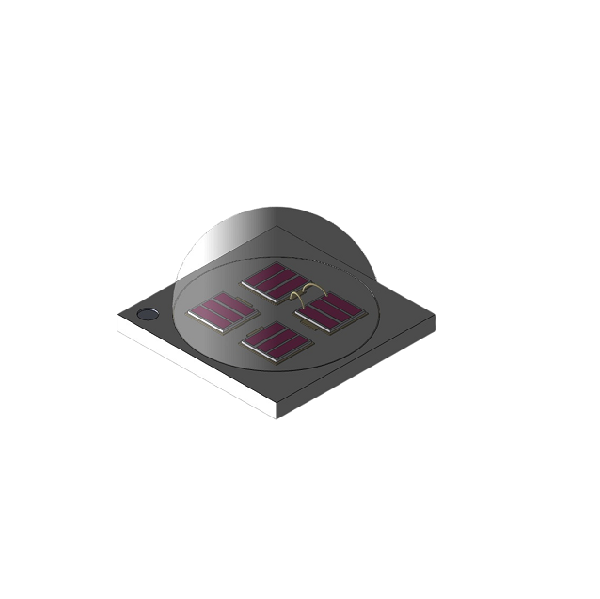
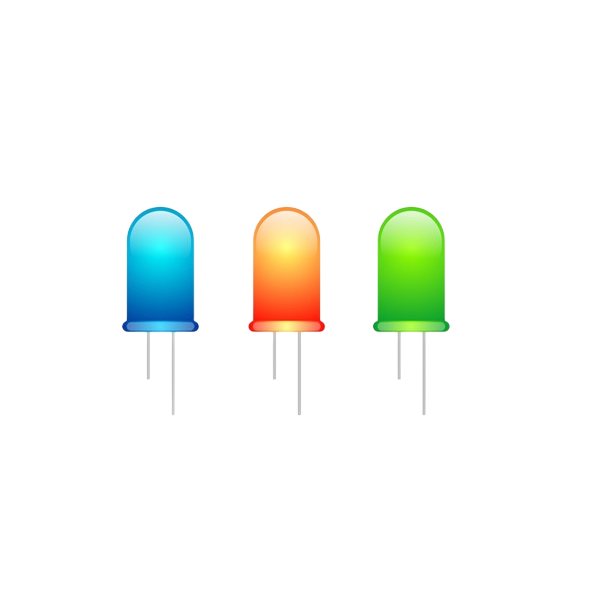
– LED Grow Lights: LED grow lights are the most popular choice for hydroponic gardening due to their energy efficiency, long lifespan, and customizable spectrum. They come in a variety of red and blue wavelengths, allowing gardeners to fine-tune the light spectrum for their specific needs.
– HPS (High-Pressure Sodium) Grow Lights: HPS grow lights emit a strong red spectrum, making them ideal for flowering and fruiting stages. However, they are less efficient in terms of energy consumption and can be more expensive to operate.
– MH (Metal Halide) Grow Lights: MH grow lights emit a strong blue spectrum, making them ideal for vegetative growth. Like HPS lights, they are less energy-efficient and can be more expensive to operate.
Optimizing Red and Blue Grow Light Usage
To maximize the benefits of red and blue hydroponic grow lights, it is essential to follow these guidelines:
– Placement: Position the grow lights at the appropriate distance from the plants to ensure even light distribution and prevent burning.
– Duration: Adjust the duration of light exposure based on the plant’s growth stage. During the flowering and fruiting stages, increase the duration of red light exposure, while during the vegetative stage, focus on blue light.
– Spectrum Customization: Use grow light controllers to adjust the intensity and spectrum of red and blue light to suit your specific plant requirements.
– Maintenance: Regularly clean the grow lights to ensure optimal light output and prevent dust buildup, which can reduce light intensity.
Conclusion
Red and blue hydroponic grow lights are essential tools for indoor plant cultivation. By understanding the science behind these lights and optimizing their usage, hydroponic gardeners can create an ideal environment for their plants to grow, resulting in healthier plants, increased yields, and a more rewarding gardening experience. As technology continues to advance, we can expect even more innovative lighting solutions to enhance the hydroponic gardening industry.
 English
 Afrikaans
 Albanian
 Amharic
 Arabic
 Armenian
 Azerbaijani
 Basque
 Belarusian
 Bengali
 Bosnian
 Bulgarian
 Catalan
 Cebuano
 Chichewa
 Corsican
 Croatian
 Czech
Czech Danish
 Dutch
Dutch Esperanto
 Estonian
 Filipino
 Finnish
 French
 Frisian
 Galician
 Georgian
 German
 Greek
Greek Gujarati
 Haitian Creole
 Hausa
Hausa Hawaiian
 Hebrew
 Hindi
Hindi Hmong
Hmong Hungarian
 Icelandic
 Igbo
Igbo Indonesian
 Irish
Irish Italian
 Japanese
 Javanese
 Kannada
 Kazakh
 Khmer
Khmer Korean
 Kurdish (Kurmanji)
 Kyrgyz
 Lao
Lao Latin
Latin Latvian
 Lithuanian
 Luxembourgish
 Macedonian
 Malagasy
 Malay
Malay Malayalam
 Maltese
 Maori
Maori Marathi
 Mongolian
 Myanmar (Burmese)
 Nepali
 Norwegian
 Pashto
 Persian
 Polish
 Portuguese
 Punjabi
 Romanian
 Russian
 Samoan
 Scottish Gaelic
 Serbian
 Sesotho
 Shona
Shona Sindhi
 Sinhala
 Slovak
 Slovenian
 Somali
 Spanish
 Sudanese
 Swahili
 Swedish
 Tajik
Tajik Tamil
Tamil Telugu
 Thai
Thai Turkish
 Ukrainian
 Urdu
Urdu Uzbek
Uzbek Vietnamese
 Welsh
Welsh Xhosa
Xhosa Yiddish
 Yoruba
 Zulu
Zulu
Explore More from Queendom Lamp
Stay updated with the latest LED technology, lighting solutions, and industry insights.
Request a Quote About Queendom