





How do smart LEDs integrate with IoT systems? This question is at the heart of the modern smart home and commercial lighting revolution. As the Internet of Things (IoT) continues to expand, smart LEDs have become a cornerstone technology, providing both functionality and energy efficiency. This article delves into the intricacies of how smart LEDs integrate with IoT systems, exploring the technology behind it, the benefits it offers, and the future of this dynamic partnership.
Introduction to Smart LEDs and IoT
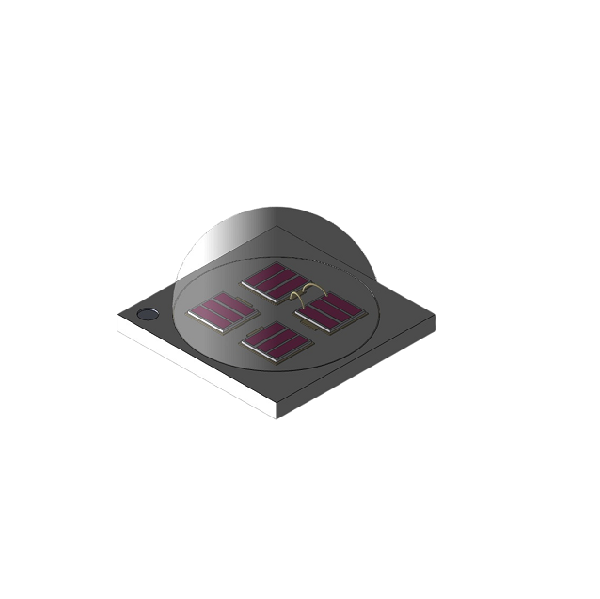
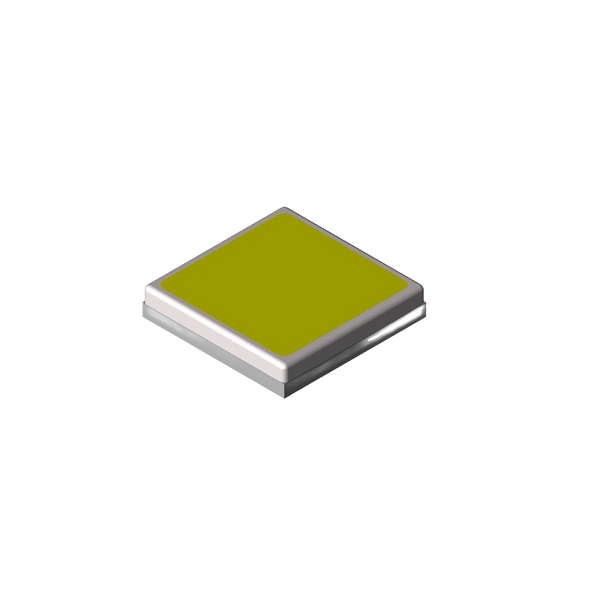
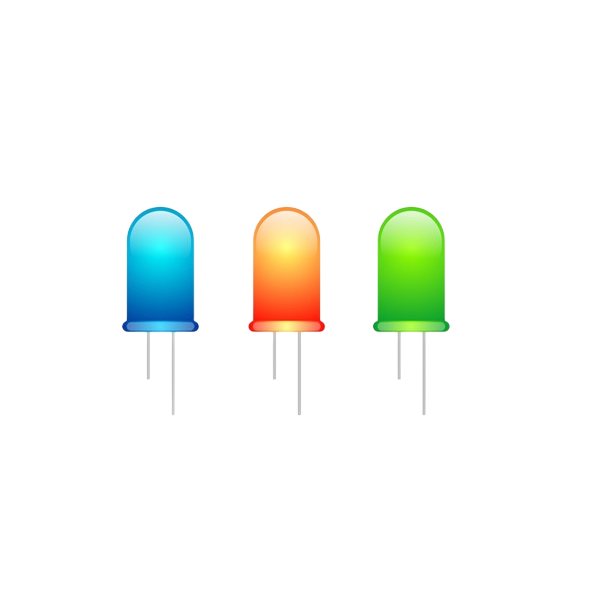
Smart LEDs, or light-emitting diodes, are advanced lighting solutions that can be controlled remotely through the internet. They are part of the broader category of smart devices that communicate with each other and with users to provide enhanced functionality and efficiency. IoT systems, on the other hand, refer to the network of interconnected devices that can share data and perform tasks without human intervention.
The integration of smart LEDs with IoT systems is a natural evolution in the lighting industry. It allows for greater control over lighting environments, from adjusting brightness and color to scheduling and energy management. This integration is made possible through several key technologies and protocols.
Technologies and Protocols for Integration
The integration of smart LEDs with IoT systems relies on several key technologies and protocols:
1. Wi-Fi: Wi-Fi is one of the most common wireless technologies used for connecting smart LEDs to IoT systems. It provides a reliable and widespread connectivity option, allowing for easy integration with other Wi-Fi-enabled devices.
2. Bluetooth Low Energy (BLE): BLE is another popular wireless technology for smart LED integration. It is more energy-efficient than Wi-Fi and is ideal for devices that require lower power consumption, such as smart bulbs.
3. Zigbee: Zigbee is a low-power wireless communication protocol that is well-suited for IoT applications. It offers a longer range than BLE and can support a larger number of devices, making it suitable for larger-scale lighting systems.
4. Thread: Thread is a low-power, mesh networking protocol designed for IoT devices. It provides a secure and reliable network that can connect a wide range of smart devices, including smart LEDs.
5. Lighting Control Protocols: Smart LEDs often use lighting control protocols such as DALI (Digital Addressable Lighting Interface) or DMX (Digital Multiplex) to communicate with lighting control systems. These protocols enable complex lighting scenes and integration with IoT systems.
Benefits of Smart LED Integration with IoT
The integration of smart LEDs with IoT systems offers several significant benefits:
1. Energy Efficiency: Smart LEDs can be controlled to reduce energy consumption, leading to lower utility bills and a smaller carbon footprint.
2. Customization: Users can adjust the brightness, color, and intensity of smart LEDs to suit their preferences and needs, creating personalized lighting experiences.
3. Automation: Smart LEDs can be programmed to turn on, off, or change settings automatically, based on time schedules, occupancy sensors, or other triggers.
4. Enhanced Security: IoT systems can provide additional security features, such as motion detection and remote monitoring, which can be integrated with smart lighting to enhance home security.
5. Data Collection and Analysis: Smart LEDs can collect data on usage patterns, which can be analyzed to optimize lighting systems and improve energy efficiency.
Challenges and Considerations
While the integration of smart LEDs with IoT systems offers many benefits, there are also challenges and considerations to keep in mind:
1. Security Risks: As with any IoT device, smart LEDs can be vulnerable to hacking and other security threats. Ensuring robust security measures is crucial.
2. Interoperability: The ability of smart LEDs to work with other IoT devices and systems can vary. Ensuring compatibility and interoperability is essential for a seamless integration.
3. Complexity: Setting up and managing smart LED systems can be complex, requiring technical knowledge and possibly professional installation.
4. Cost: Smart LEDs and IoT systems can be more expensive than traditional lighting solutions, which may be a barrier for some consumers and businesses.
The Future of Smart LED Integration with IoT
The future of smart LED integration with IoT systems looks promising. As technology advances, we can expect to see:
1. Increased Efficiency: Continued improvements in LED technology will lead to even greater energy efficiency and longer lifespans for smart LEDs.
2. Advanced Control Features: Smart LEDs will offer more sophisticated control features, such as dynamic color adjustments and adaptive lighting that changes based on environmental conditions.
3. Improved Security: As awareness of security risks grows, manufacturers will focus on developing more secure smart LED systems.
4. Broader Applications: Smart LEDs will find their way into more applications, from commercial buildings and public spaces to healthcare and transportation.
In conclusion, the integration of smart LEDs with IoT systems is a transformative trend in the lighting industry. It offers numerous benefits, from energy efficiency and customization to enhanced security and data-driven insights. As technology continues to evolve, the partnership between smart LEDs and IoT systems will become even more robust, shaping the future of lighting and the smart home landscape.
 English
 Afrikaans
 Albanian
 Amharic
 Arabic
 Armenian
 Azerbaijani
 Basque
 Belarusian
 Bengali
 Bosnian
 Bulgarian
 Catalan
 Cebuano
 Chichewa
 Corsican
 Croatian
 Czech
Czech Danish
 Dutch
Dutch Esperanto
 Estonian
 Filipino
 Finnish
 French
 Frisian
 Galician
 Georgian
 German
 Greek
Greek Gujarati
 Haitian Creole
 Hausa
Hausa Hawaiian
 Hebrew
 Hindi
Hindi Hmong
Hmong Hungarian
 Icelandic
 Igbo
Igbo Indonesian
 Irish
Irish Italian
 Japanese
 Javanese
 Kannada
 Kazakh
 Khmer
Khmer Korean
 Kurdish (Kurmanji)
 Kyrgyz
 Lao
Lao Latin
Latin Latvian
 Lithuanian
 Luxembourgish
 Macedonian
 Malagasy
 Malay
Malay Malayalam
 Maltese
 Maori
Maori Marathi
 Mongolian
 Myanmar (Burmese)
 Nepali
 Norwegian
 Pashto
 Persian
 Polish
 Portuguese
 Punjabi
 Romanian
 Russian
 Samoan
 Scottish Gaelic
 Serbian
 Sesotho
 Shona
Shona Sindhi
 Sinhala
 Slovak
 Slovenian
 Somali
 Spanish
 Sudanese
 Swahili
 Swedish
 Tajik
Tajik Tamil
Tamil Telugu
 Thai
Thai Turkish
 Ukrainian
 Urdu
Urdu Uzbek
Uzbek Vietnamese
 Welsh
Welsh Xhosa
Xhosa Yiddish
 Yoruba
 Zulu
Zulu
Explore More from Queendom Lamp
Stay updated with the latest LED technology, lighting solutions, and industry insights.
Request a Quote About Queendom