









Introducing the SMD LED Wholesale Industry: A Comprehensive Overview
Introduction to SMD LED Wholesale
The SMD LED wholesale industry has become a cornerstone of the global lighting market, offering a wide array of high-quality light-emitting diode (LED) products to consumers and businesses alike. SMD, which stands for Surface Mount Device, refers to a type of LED that is mounted directly onto a printed circuit board (PCB) without the need for a lead frame. This innovative technology has revolutionized the lighting industry by providing energy-efficient, durable, and compact lighting solutions. In this article, we will delve into the intricacies of the SMD LED wholesale market, exploring its growth, products, and the impact it has on the lighting landscape.
Market Growth and Trends
The SMD LED wholesale industry has experienced remarkable growth over the past decade, driven by the increasing demand for energy-efficient lighting solutions. As governments around the world implement stringent energy regulations and consumers become more environmentally conscious, the adoption of LED lighting has surged. According to a report by Grand View Research, the global SMD LED market is expected to reach a value of USD 55.9 billion by 2025, growing at a CAGR of 11.5% from 2018 to 2025.
Several key trends have shaped the SMD LED wholesale industry. One of the most significant trends is the shift towards smart lighting solutions. With the integration of the Internet of Things (IoT) technology, SMD LEDs are becoming more intelligent, allowing for remote control, automated scheduling, and energy management. This trend is not only enhancing the functionality of lighting systems but also opening up new opportunities for customization and personalization.
Another trend is the increasing focus on color quality. As consumers demand more vibrant and natural-looking lighting, manufacturers are investing in research and development to produce SMD LEDs with higher color rendering indices (CRI). The higher the CRI, the more accurately the LED can reproduce the colors of objects, making them ideal for applications such as retail lighting, art galleries, and offices.
Key Players and Competition
The SMD LED wholesale industry is characterized by a high level of competition, with numerous players vying for market share. Some of the key players in this industry include Philips Lighting, OSRAM, and Cree, Inc. These companies have a strong presence in the global market and are known for their innovative products and robust supply chains.
Competition in the SMD LED wholesale market is fierce, with companies constantly striving to differentiate themselves through product quality, pricing, and customer service. Many manufacturers are also focusing on expanding their product lines to cater to various market segments, such as automotive, healthcare, and outdoor lighting.
To gain a competitive edge, companies are investing in research and development to develop new technologies, such as high-brightness LEDs, high-efficiency drivers, and advanced packaging techniques. Additionally, many players are entering into strategic partnerships and collaborations to enhance their capabilities and expand their market reach.
Product Range and Applications
The SMD LED wholesale market offers a diverse range of products, catering to a wide array of applications. Some of the most popular products include:
– SMD LEDs: These are the core components of the SMD LED lighting systems, available in various colors, sizes, and brightness levels.
– LED modules: These are pre-assembled units that include multiple SMD LEDs, drivers, and heat sinks, designed for specific applications.
– LED strips: These are flexible strips of SMD LEDs, often used for decorative lighting and accent lighting in homes, offices, and retail spaces.
– LED drivers: These are electronic devices that convert the AC power from the electrical grid to the DC power required by the LEDs, ensuring optimal performance and longevity.
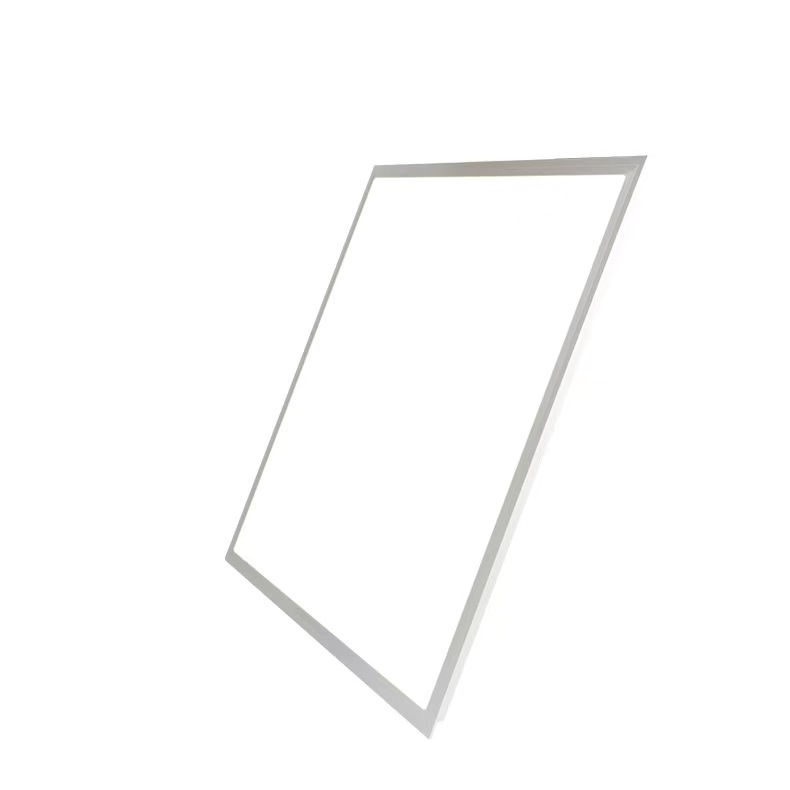
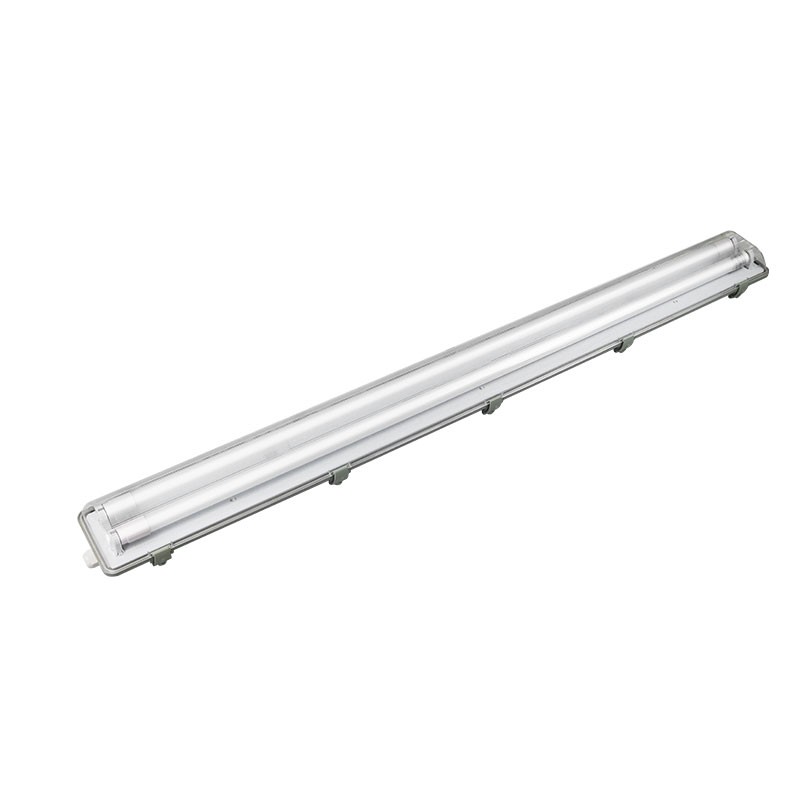
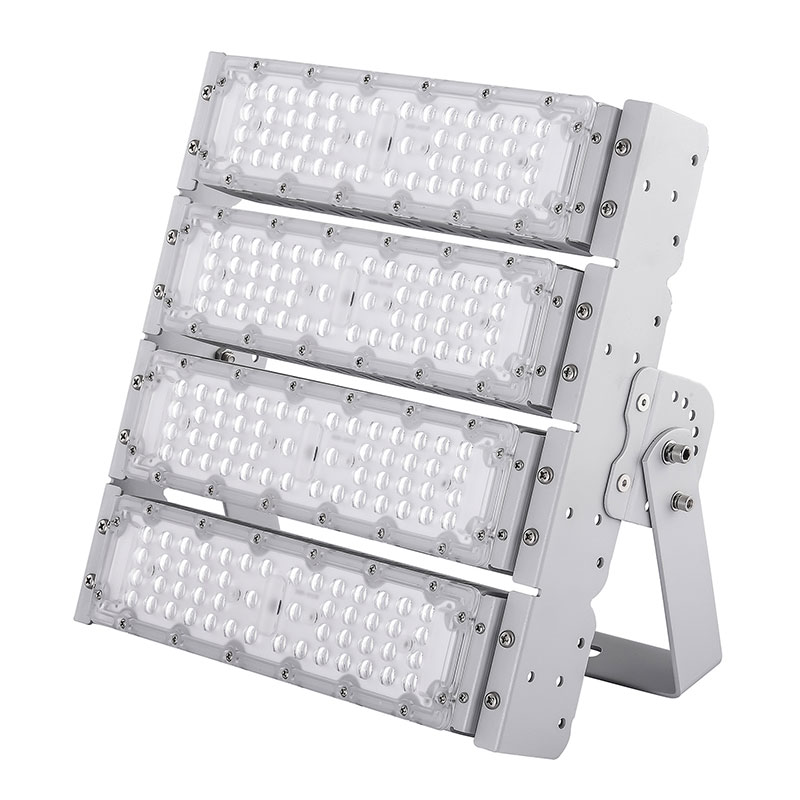
– LED luminaires: These are complete lighting fixtures that incorporate SMD LEDs, such as LED downlights, LED track lights, and LED panels.
Applications of SMD LED products are vast, including residential, commercial, industrial, and outdoor lighting. For instance, SMD LEDs are commonly used in residential lighting, such as LED bulbs, LED tube lights, and LED under-cabinet lighting. In commercial settings, they are used for office lighting, retail lighting, and hospitality lighting. The versatility of SMD LED products makes them suitable for a wide range of applications, from small-scale projects to large-scale infrastructure development.
Supply Chain and Distribution
The SMD LED wholesale industry relies on a complex supply chain, involving various stages from raw material procurement to product manufacturing, quality control, and distribution. The supply chain typically includes the following components:
– Raw material suppliers: These suppliers provide the essential components for LED production, such as gallium nitride (GaN), silicon carbide (SiC), and phosphors.
– LED manufacturers: These companies produce the SMD LEDs, LED modules, and other LED products.
– Assemblers: These companies assemble the LED products into complete lighting fixtures.
– Distributors: These entities purchase products from manufacturers and assemblers and distribute them to wholesalers, retailers, and end-users.
– Wholesalers: These companies buy large quantities of LED products and resell them to retailers and distributors.
The distribution channels in the SMD LED wholesale industry are diverse, ranging from direct sales to online platforms and traditional retail stores. The choice of distribution channel depends on the target market, product type, and customer preferences.
Challenges and Opportunities
Despite the rapid growth of the SMD LED wholesale industry, several challenges persist. One of the primary challenges is the high initial cost of LED products, which can be a barrier to adoption for some consumers and businesses. Additionally, the industry faces challenges related to quality control, intellectual property rights, and environmental regulations.
However, there are numerous opportunities for growth and innovation in the SMD LED wholesale market. As technology continues to advance, new applications for SMD LEDs are emerging, such as automotive lighting, smart lighting systems, and energy-efficient street lighting. Moreover, the industry is poised to benefit from advancements in manufacturing processes, which can reduce costs and improve product performance.
Conclusion
The SMD LED wholesale industry has become a driving force in the global lighting market, offering a wide range of energy-efficient and versatile lighting solutions. With the increasing demand for sustainable and smart lighting systems, the industry is expected to continue its growth trajectory. As manufacturers, distributors, and end-users navigate the challenges and opportunities in this dynamic market, the SMD LED wholesale industry is poised to shape the future of lighting.
 English
 Afrikaans
 Albanian
 Amharic
 Arabic
 Armenian
 Azerbaijani
 Basque
 Belarusian
 Bengali
 Bosnian
 Bulgarian
 Catalan
 Cebuano
 Chichewa
 Corsican
 Croatian
 Czech
Czech Danish
 Dutch
Dutch Esperanto
 Estonian
 Filipino
 Finnish
 French
 Frisian
 Galician
 Georgian
 German
 Greek
Greek Gujarati
 Haitian Creole
 Hausa
Hausa Hawaiian
 Hebrew
 Hindi
Hindi Hmong
Hmong Hungarian
 Icelandic
 Igbo
Igbo Indonesian
 Irish
Irish Italian
 Japanese
 Javanese
 Kannada
 Kazakh
 Khmer
Khmer Korean
 Kurdish (Kurmanji)
 Kyrgyz
 Lao
Lao Latin
Latin Latvian
 Lithuanian
 Luxembourgish
 Macedonian
 Malagasy
 Malay
Malay Malayalam
 Maltese
 Maori
Maori Marathi
 Mongolian
 Myanmar (Burmese)
 Nepali
 Norwegian
 Pashto
 Persian
 Polish
 Portuguese
 Punjabi
 Romanian
 Russian
 Samoan
 Scottish Gaelic
 Serbian
 Sesotho
 Shona
Shona Sindhi
 Sinhala
 Slovak
 Slovenian
 Somali
 Spanish
 Sudanese
 Swahili
 Swedish
 Tajik
Tajik Tamil
Tamil Telugu
 Thai
Thai Turkish
 Ukrainian
 Urdu
Urdu Uzbek
Uzbek Vietnamese
 Welsh
Welsh Xhosa
Xhosa Yiddish
 Yoruba
 Zulu
Zulu
Explore More from Queendom Lamp
Stay updated with the latest LED technology, lighting solutions, and industry insights.
Request a Quote About Queendom