









Mining lamp factories have long been an integral part of the mining industry, providing essential lighting solutions for underground operations. These factories specialize in the production of mining lamps, which are designed to withstand harsh conditions and provide safe illumination for miners. In this article, we will delve into the world of mining lamp factories, exploring their history, production processes, and the importance of their products in the mining sector.
History of Mining Lamp Factories
The history of mining lamp factories dates back to the early 19th century when coal mining became a major industry. Initially, miners relied on candles and oil lamps for illumination, which posed significant safety risks due to the risk of fire and explosion. The invention of the miner’s safety lamp in the early 19th century marked a significant advancement in mining safety. This led to the establishment of mining lamp factories, which specialized in the production of these crucial safety devices.
Over the years, mining lamp factories have evolved with technological advancements. The development of electric lighting further revolutionized the industry, leading to the production of electric mining lamps. These factories have not only adapted to new technologies but have also expanded their product lines to include various types of mining equipment and accessories.
Production Processes in Mining Lamp Factories
The production process in mining lamp factories involves several stages, from design and engineering to manufacturing and quality control. Here is an overview of the key steps involved:
- Design and Engineering: Mining lamp factories begin by designing lamps that meet the specific requirements of underground mining environments. This includes considerations for brightness, durability, and safety features.
- Material Selection: High-quality materials are chosen for the construction of mining lamps to ensure they can withstand extreme temperatures, pressure, and chemicals often found in mines.
- Manufacturing: The manufacturing process involves cutting, bending, and assembling the various components of the mining lamp. This may include metalwork, electrical components, and lens assembly.
- Quality Control: Rigorous quality control measures are implemented to ensure that each lamp meets the necessary safety standards. This includes testing for durability, electrical performance, and resistance to impact and vibration.
- Packaging and Distribution: Once the lamps pass the quality control checks, they are packaged and distributed to mining companies and other customers.
Importance of Mining Lamps in the Mining Sector
Mining lamps play a critical role in the mining sector, offering several key benefits:
- Safety: The primary function of mining lamps is to provide safe illumination in underground mines, reducing the risk of accidents caused by poor visibility.
- Efficiency: Mining lamps are designed to be energy-efficient, helping to conserve resources and reduce operational costs.
- Customization: Mining lamp factories offer a range of customization options to meet the specific needs of different mining operations, from brightness levels to attachment options.
- Reliability: High-quality mining lamps are built to last, ensuring that miners have reliable lighting throughout their shifts.
Challenges and Innovations in Mining Lamp Production
Despite the advancements in technology, mining lamp factories face several challenges:
- Regulatory Compliance: Mining lamp factories must adhere to stringent safety regulations and standards, which can be complex and costly to meet.
- Material Costs: The cost of high-quality materials can be prohibitive, especially for smaller manufacturers.
- Market Competition: The mining lamp market is highly competitive, with numerous manufacturers vying for a share of the market.
However, these challenges have also spurred innovation within the industry. Mining lamp factories are constantly seeking new materials, designs, and manufacturing techniques to improve their products and stay ahead of the competition. Some of the latest innovations include:
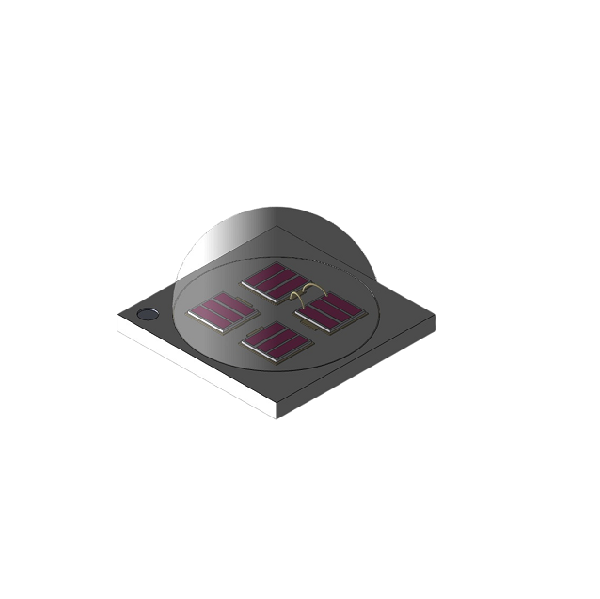
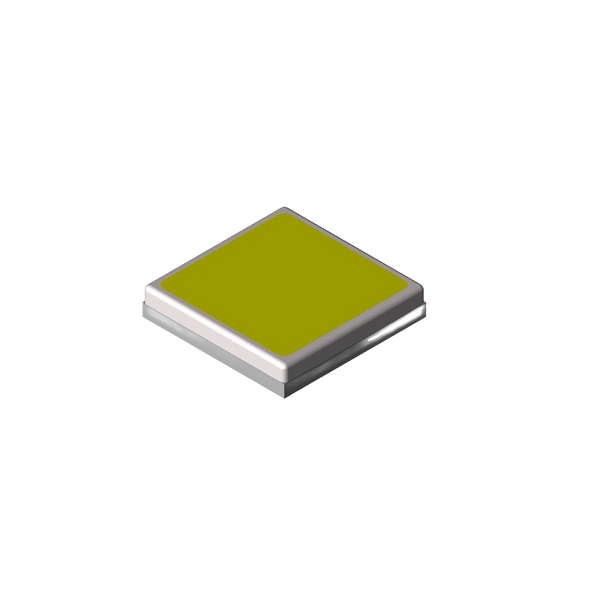
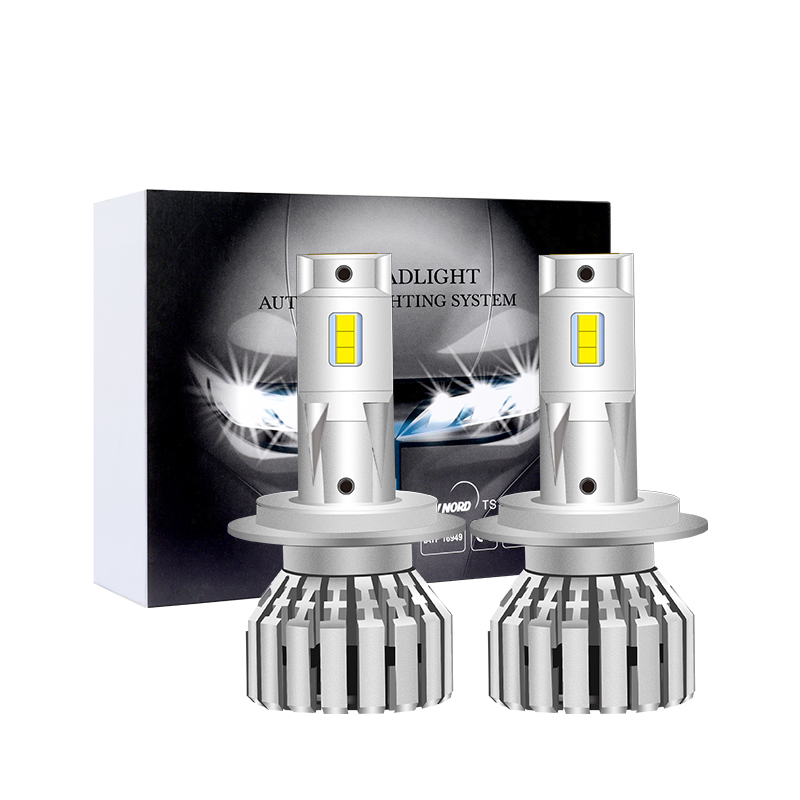
- LED Technology: The use of LED lighting has become increasingly popular due to its energy efficiency and long lifespan.
- Smart Lamps: Some mining lamp factories are developing smart lamps that can provide real-time data on environmental conditions, such as temperature and humidity.
- Customizable Features: Advanced customization options allow mining lamps to be tailored to the specific needs of different mining operations.
Conclusion
Mining lamp factories are essential to the mining industry, providing critical lighting solutions that ensure the safety and efficiency of underground operations. As the industry continues to evolve, mining lamp factories must adapt to new technologies and challenges to maintain their relevance. By focusing on innovation, quality, and safety, these factories will continue to play a vital role in the mining sector for years to come.


Explore More from Queendom Lamp
Stay updated with the latest LED technology, lighting solutions, and industry insights.
Request a Quote About Queendom