

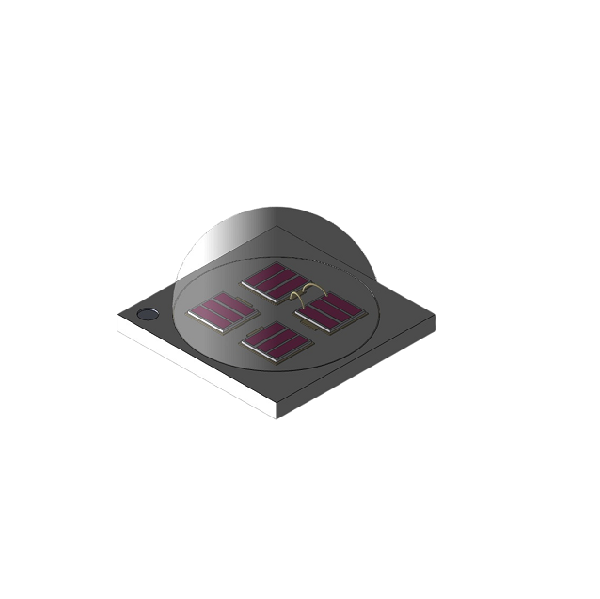

Introduction
In recent years, the term “IR RGB” has emerged as a crucial component in the field of imaging technology. IR RGB, which stands for Infrared, Red, Green, and Blue, refers to a camera system that combines infrared and visible light to capture a comprehensive image. This innovative technology has found applications in various industries, including security, medical, and automotive. This article aims to provide an in-depth introduction to the IR RGB industry, covering its background, applications, challenges, and future prospects.
Background of IR RGB Technology
The concept of IR RGB technology can be traced back to the development of digital cameras. Early cameras were limited to capturing visible light, which meant that they were unable to capture images in low-light or dark conditions. To overcome this limitation, manufacturers started incorporating infrared (IR) sensors into cameras, allowing them to capture images in complete darkness. However, the resulting images were often grayscale, which made it difficult to discern details. To address this issue, the IR RGB technology was developed, combining the advantages of both IR and visible light sensors.
Components of IR RGB Technology
An IR RGB camera consists of several key components, including an IR sensor, a visible light sensor, and a lens. The IR sensor captures images in the infrared spectrum, while the visible light sensor captures images in the visible light spectrum. These two images are then processed and combined to produce a single, high-quality image. The lens plays a crucial role in focusing both the IR and visible light images onto the sensors.
Applications of IR RGB Technology
IR RGB technology has found applications in various industries, including:
1. Security: IR RGB cameras are widely used in surveillance systems to monitor areas in complete darkness. This technology is particularly useful in airports, hospitals, and other high-security areas.
2. Medical: In the medical field, IR RGB technology is used for various purposes, such as monitoring patients in intensive care units, conducting endoscopic procedures, and performing ophthalmic examinations.
3. Automotive: IR RGB cameras are used in automotive applications, such as advanced driver-assistance systems (ADAS), to detect obstacles in low-light or dark conditions, thereby enhancing vehicle safety.
4. Industrial: IR RGB technology is used in industrial settings for quality control, process monitoring, and predictive maintenance.
5. Environmental: In environmental monitoring, IR RGB cameras are used to detect and monitor wildlife, as well as to assess the health of ecosystems.
Challenges in IR RGB Technology
Despite its numerous applications, IR RGB technology faces several challenges, including:
1. Cost: The development and production of IR RGB cameras are relatively expensive, which may limit their adoption in certain markets.
2. Size and weight: IR RGB cameras are often larger and heavier than traditional cameras, which may pose challenges in certain applications, such as wearable technology.
3. Power consumption: IR RGB cameras require more power than traditional cameras, which may be a concern in battery-powered devices.
4. Image quality: While IR RGB technology has improved significantly, there is still room for enhancement in terms of image quality, particularly in low-light conditions.
Future Prospects of IR RGB Technology
The future of IR RGB technology looks promising, with several ongoing research and development efforts aimed at addressing the aforementioned challenges. Some of the key areas of focus include:
1. Miniaturization: Efforts are being made to develop smaller, lighter IR RGB cameras, which could open up new applications in wearable technology and other areas.
2. Energy efficiency: Improvements in energy efficiency will make IR RGB cameras more suitable for battery-powered devices.
3. Image quality: Continuous advancements in image processing algorithms will enhance the quality of IR RGB images, particularly in low-light conditions.
4. Integration: IR RGB technology is expected to be integrated with other sensors, such as LiDAR and radar, to create more advanced and versatile imaging systems.
In conclusion, IR RGB technology has emerged as a vital component in the imaging industry, offering a unique combination of infrared and visible light capabilities. With its wide range of applications and ongoing advancements, IR RGB technology is poised to play a significant role in the future of imaging technology.
 English
 Afrikaans
 Albanian
 Amharic
 Arabic
 Armenian
 Azerbaijani
 Basque
 Belarusian
 Bengali
 Bosnian
 Bulgarian
 Catalan
 Cebuano
 Chichewa
 Corsican
 Croatian
 Czech
Czech Danish
 Dutch
Dutch Esperanto
 Estonian
 Filipino
 Finnish
 French
 Frisian
 Galician
 Georgian
 German
 Greek
Greek Gujarati
 Haitian Creole
 Hausa
Hausa Hawaiian
 Hebrew
 Hindi
Hindi Hmong
Hmong Hungarian
 Icelandic
 Igbo
Igbo Indonesian
 Irish
Irish Italian
 Japanese
 Javanese
 Kannada
 Kazakh
 Khmer
Khmer Korean
 Kurdish (Kurmanji)
 Kyrgyz
 Lao
Lao Latin
Latin Latvian
 Lithuanian
 Luxembourgish
 Macedonian
 Malagasy
 Malay
Malay Malayalam
 Maltese
 Maori
Maori Marathi
 Mongolian
 Myanmar (Burmese)
 Nepali
 Norwegian
 Pashto
 Persian
 Polish
 Portuguese
 Punjabi
 Romanian
 Russian
 Samoan
 Scottish Gaelic
 Serbian
 Sesotho
 Shona
Shona Sindhi
 Sinhala
 Slovak
 Slovenian
 Somali
 Spanish
 Sudanese
 Swahili
 Swedish
 Tajik
Tajik Tamil
Tamil Telugu
 Thai
Thai Turkish
 Ukrainian
 Urdu
Urdu Uzbek
Uzbek Vietnamese
 Welsh
Welsh Xhosa
Xhosa Yiddish
 Yoruba
 Zulu
Zulu
Explore More from Queendom Lamp
Stay updated with the latest LED technology, lighting solutions, and industry insights.
Request a Quote About Queendom