
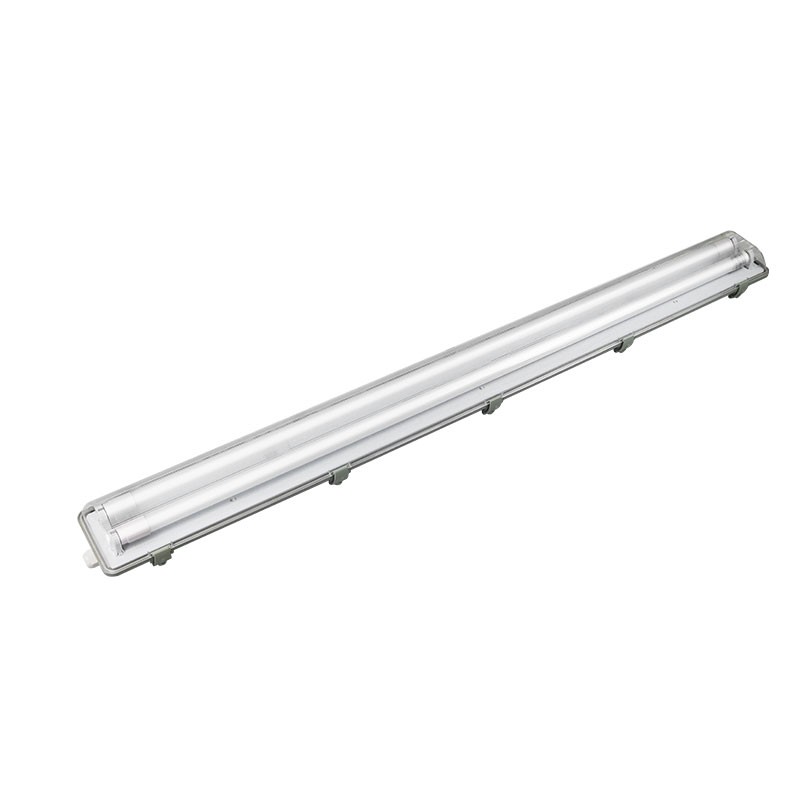
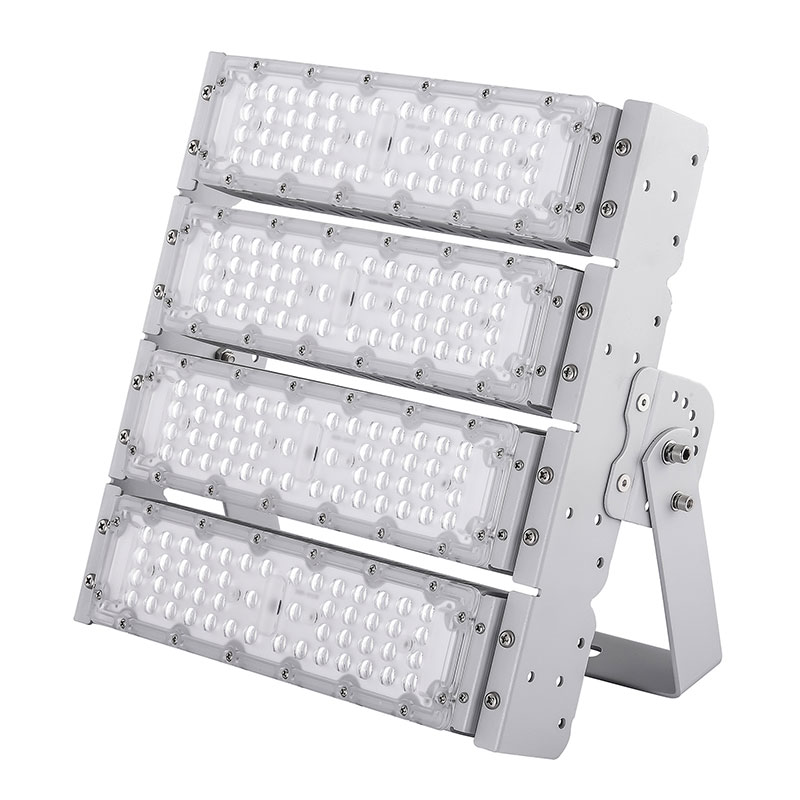
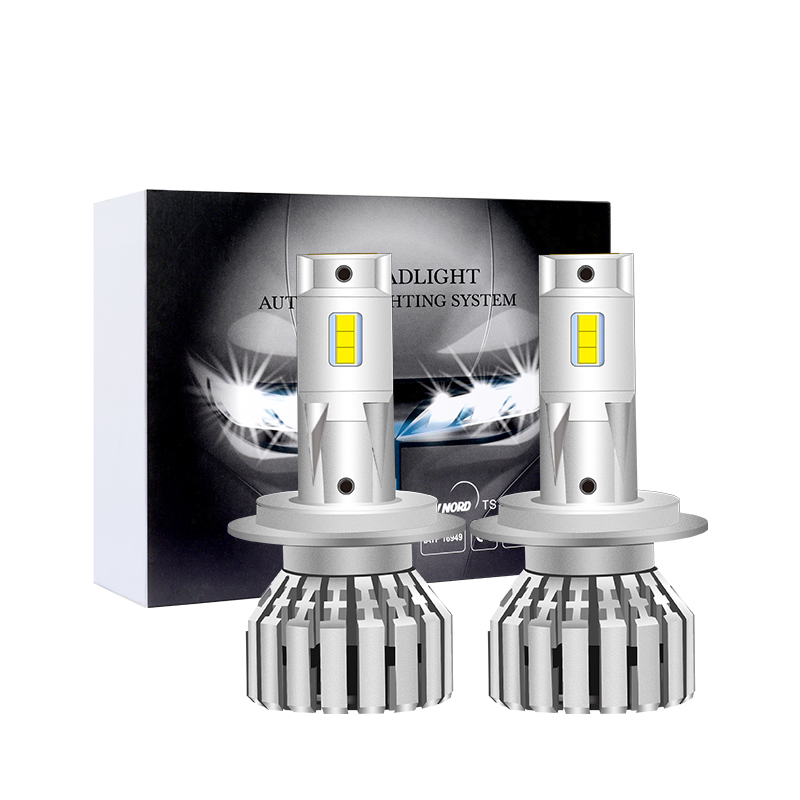
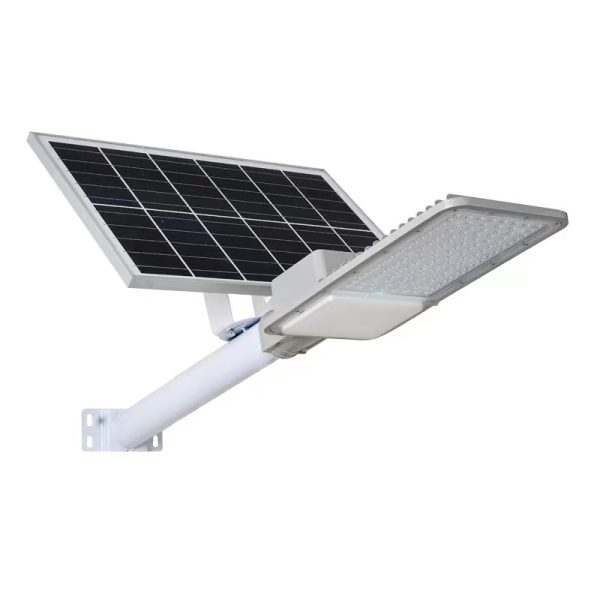
LED lighting has become increasingly popular in recent years due to its energy efficiency, long lifespan, and versatility. As an essential component in LED lighting systems, the LED datasheet plays a crucial role in the design, selection, and application of LED products. This article aims to provide a comprehensive introduction to lighting LED datasheets, covering their significance, key parameters, and application considerations.
Importance of Lighting LED Datasheet
The lighting LED datasheet serves as a technical reference for engineers, designers, and end-users involved in LED lighting projects. It contains essential information about the LED’s performance, specifications, and application guidelines. By providing a detailed overview of the LED’s characteristics, the datasheet enables users to make informed decisions when selecting and integrating LED components into their lighting systems.
Key Parameters in Lighting LED Datasheet
Lighting LED datasheets typically include a range of key parameters that describe the LED’s performance and characteristics. The following are some of the most important parameters to consider:
- Forward Voltage (Vf): The voltage required to forward bias the LED and make it emit light. This parameter is crucial for determining the appropriate driver and power supply for the LED.
- Forward Current (If): The current required to drive the LED at its rated forward voltage. It is essential to operate the LED within its specified current range to ensure optimal performance and longevity.
- Light Output (Lumens): The total amount of visible light emitted by the LED. Lumens are a critical factor in determining the brightness of the LED and its suitability for a specific application.
- Color Temperature (CCT): The color appearance of the light emitted by the LED, measured in Kelvin (K). Different color temperatures provide different lighting effects, such as warm (2700K-3000K) or cool (4000K-6500K) white light.
- Color Rendering Index (CRI): A measure of how accurately the LED reproduces colors compared to natural light. A higher CRI value indicates better color rendering quality.
- Efficiency (Lumens per Watt): The ratio of the LED’s light output to its power consumption. Higher efficiency means lower energy consumption and lower operating costs.
- Thermal Resistance (θJC): A measure of how well the LED dissipates heat. Lower thermal resistance ensures better thermal management and longer lifespan.
Application Considerations
Understanding the key parameters in a lighting LED datasheet is essential for selecting the right LED for a specific application. The following factors should be considered when choosing an LED for a lighting project:
- Application Environment: The LED’s performance and lifespan can be significantly affected by the environmental conditions, such as temperature, humidity, and vibration. Ensure that the LED is suitable for the intended application environment.
- Lighting Design Requirements: Consider the desired brightness, color temperature, and CRI to achieve the desired lighting effect. Ensure that the LED meets the required specifications for the application.
- Driver and Power Supply: Select a driver and power supply that can provide the appropriate voltage and current to the LED, ensuring optimal performance and longevity.
- Heat Management: Ensure that the LED is mounted on a suitable heat sink to dissipate heat effectively, preventing overheating and extending the LED’s lifespan.
Conclusion
Lighting LED datasheets are essential for engineers, designers, and end-users involved in LED lighting projects. By providing a comprehensive overview of the LED’s performance and characteristics, datasheets enable users to make informed decisions when selecting and integrating LED components into their lighting systems. Understanding the key parameters and application considerations can help ensure optimal performance, longevity, and cost-effectiveness of LED lighting solutions.
 English
 Afrikaans
 Albanian
 Amharic
 Arabic
 Armenian
 Azerbaijani
 Basque
 Belarusian
 Bengali
 Bosnian
 Bulgarian
 Catalan
 Cebuano
 Chichewa
 Corsican
 Croatian
 Czech
Czech Danish
 Dutch
Dutch Esperanto
 Estonian
 Filipino
 Finnish
 French
 Frisian
 Galician
 Georgian
 German
 Greek
Greek Gujarati
 Haitian Creole
 Hausa
Hausa Hawaiian
 Hebrew
 Hindi
Hindi Hmong
Hmong Hungarian
 Icelandic
 Igbo
Igbo Indonesian
 Irish
Irish Italian
 Japanese
 Javanese
 Kannada
 Kazakh
 Khmer
Khmer Korean
 Kurdish (Kurmanji)
 Kyrgyz
 Lao
Lao Latin
Latin Latvian
 Lithuanian
 Luxembourgish
 Macedonian
 Malagasy
 Malay
Malay Malayalam
 Maltese
 Maori
Maori Marathi
 Mongolian
 Myanmar (Burmese)
 Nepali
 Norwegian
 Pashto
 Persian
 Polish
 Portuguese
 Punjabi
 Romanian
 Russian
 Samoan
 Scottish Gaelic
 Serbian
 Sesotho
 Shona
Shona Sindhi
 Sinhala
 Slovak
 Slovenian
 Somali
 Spanish
 Sudanese
 Swahili
 Swedish
 Tajik
Tajik Tamil
Tamil Telugu
 Thai
Thai Turkish
 Ukrainian
 Urdu
Urdu Uzbek
Uzbek Vietnamese
 Welsh
Welsh Xhosa
Xhosa Yiddish
 Yoruba
 Zulu
Zulu
Explore More from Queendom Lamp
Stay updated with the latest LED technology, lighting solutions, and industry insights.
Request a Quote About Queendom