



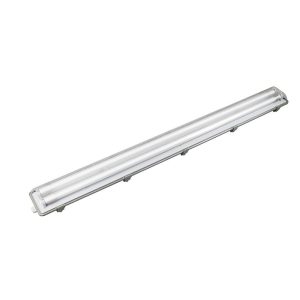
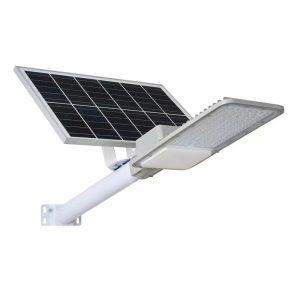
Fire emergency ceiling lamp, a crucial component in modern fire safety systems, plays a vital role in ensuring the safety of individuals during emergencies. These specialized lighting fixtures are designed to provide illumination in the event of a fire, helping occupants navigate through smoke-filled environments and locate exits quickly. In this article, we will delve into the significance of fire emergency ceiling lamps, their types, installation, maintenance, and the regulations governing their use in various industries.
Introduction to Fire Emergency Ceiling Lamps
Fire emergency ceiling lamps are specifically engineered to operate during power outages, typically caused by fires. They are equipped with backup batteries that activate automatically when the primary power source is interrupted. These lamps are strategically placed in high-traffic areas, such as corridors, stairwells, and common areas, to ensure that they are easily accessible to all occupants.
Types of Fire Emergency Ceiling Lamps
There are several types of fire emergency ceiling lamps available in the market, each designed to cater to different fire safety requirements. The most common types include:
1. Standard Emergency Ceiling Lamps: These are the most basic type of emergency lighting, providing illumination for a duration of at least 90 minutes during a power outage.
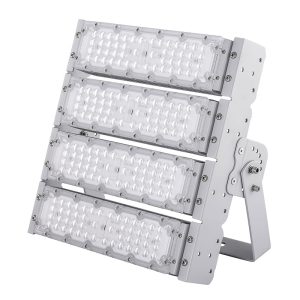
2. High Bay Emergency Ceiling Lamps: Designed for larger spaces, such as warehouses and gymnasiums, these lamps offer a higher lumen output to ensure adequate visibility.
3. LED Emergency Ceiling Lamps: LED lamps are energy-efficient and have a longer lifespan compared to traditional incandescent or fluorescent lamps. They are becoming increasingly popular due to their cost-effectiveness and environmental benefits.
4. Combination Emergency Ceiling Lamps: These lamps combine emergency lighting with regular lighting, reducing the need for multiple fixtures and simplifying installation.
Installation of Fire Emergency Ceiling Lamps
The installation of fire emergency ceiling lamps must be carried out by qualified professionals to ensure compliance with local fire safety codes and regulations. The following steps are typically involved in the installation process:
1. Site Assessment: A thorough assessment of the site is conducted to determine the number and placement of emergency lamps required.
2. Electrical Wiring: The electrical wiring for the emergency lamps must be installed in accordance with local electrical codes and standards.
3. Mounting: The lamps are mounted securely to the ceiling, ensuring they are at the correct height and angle for optimal visibility.
4. Testing: After installation, the emergency lamps are tested to ensure they are functioning correctly and meet the required specifications.
Maintenance of Fire Emergency Ceiling Lamps
Regular maintenance is essential to ensure the reliability and effectiveness of fire emergency ceiling lamps. The following maintenance tasks should be carried out:
1. Visual Inspection: Regular visual inspections should be conducted to check for any signs of damage or wear.
2. Battery Testing: The batteries should be tested periodically to ensure they are providing adequate backup power.
3. Functional Testing: Full functional tests should be conducted at least once a year to verify that the lamps are operating correctly.
4. Cleaning: Dust and debris should be removed from the lamps to prevent interference with their operation.
Regulations Governing Fire Emergency Ceiling Lamps
The use of fire emergency ceiling lamps is governed by various regulations and standards, which vary depending on the country and industry. Some of the key regulations include:
1. International Fire Code (IFC): The IFC provides guidelines for the installation and maintenance of emergency lighting systems.
2. National Fire Protection Association (NFPA) Codes: NFPA codes, such as NFPA 101 (Life Safety Code) and NFPA 72 (National Fire Alarm and Signaling Code), provide comprehensive guidelines for fire safety systems, including emergency lighting.
3. Local Building Codes: Local building codes may also have specific requirements for emergency lighting systems.
Conclusion
Fire emergency ceiling lamps are an integral part of modern fire safety systems, providing critical illumination during emergencies to ensure the safety of occupants. By understanding the different types of emergency lighting fixtures, the installation and maintenance procedures, and the relevant regulations, businesses and organizations can ensure that their emergency lighting systems are effective and compliant with local and international standards. Investing in quality fire emergency ceiling lamps and maintaining them regularly is a small price to pay for the peace of mind and protection they offer in times of need.
 English
 Afrikaans
 Albanian
 Amharic
 Arabic
 Armenian
 Azerbaijani
 Basque
 Belarusian
 Bengali
 Bosnian
 Bulgarian
 Catalan
 Cebuano
 Chichewa
 Corsican
 Croatian
 Czech
Czech Danish
 Dutch
Dutch Esperanto
 Estonian
 Filipino
 Finnish
 French
 Frisian
 Galician
 Georgian
 German
 Greek
Greek Gujarati
 Haitian Creole
 Hausa
Hausa Hawaiian
 Hebrew
 Hindi
Hindi Hmong
Hmong Hungarian
 Icelandic
 Igbo
Igbo Indonesian
 Irish
Irish Italian
 Japanese
 Javanese
 Kannada
 Kazakh
 Khmer
Khmer Korean
 Kurdish (Kurmanji)
 Kyrgyz
 Lao
Lao Latin
Latin Latvian
 Lithuanian
 Luxembourgish
 Macedonian
 Malagasy
 Malay
Malay Malayalam
 Maltese
 Maori
Maori Marathi
 Mongolian
 Myanmar (Burmese)
 Nepali
 Norwegian
 Pashto
 Persian
 Polish
 Portuguese
 Punjabi
 Romanian
 Russian
 Samoan
 Scottish Gaelic
 Serbian
 Sesotho
 Shona
Shona Sindhi
 Sinhala
 Slovak
 Slovenian
 Somali
 Spanish
 Sudanese
 Swahili
 Swedish
 Tajik
Tajik Tamil
Tamil Telugu
 Thai
Thai Turkish
 Ukrainian
 Urdu
Urdu Uzbek
Uzbek Vietnamese
 Welsh
Welsh Xhosa
Xhosa Yiddish
 Yoruba
 Zulu
Zulu
Explore More from Queendom Lamp
Stay updated with the latest LED technology, lighting solutions, and industry insights.
Request a Quote About Queendom